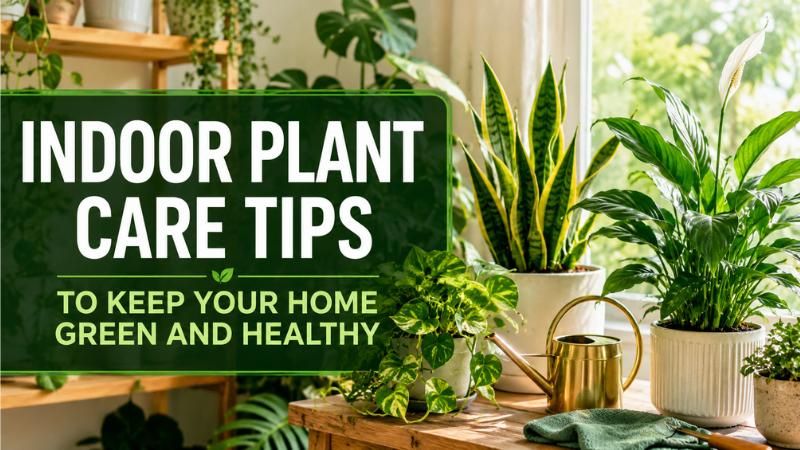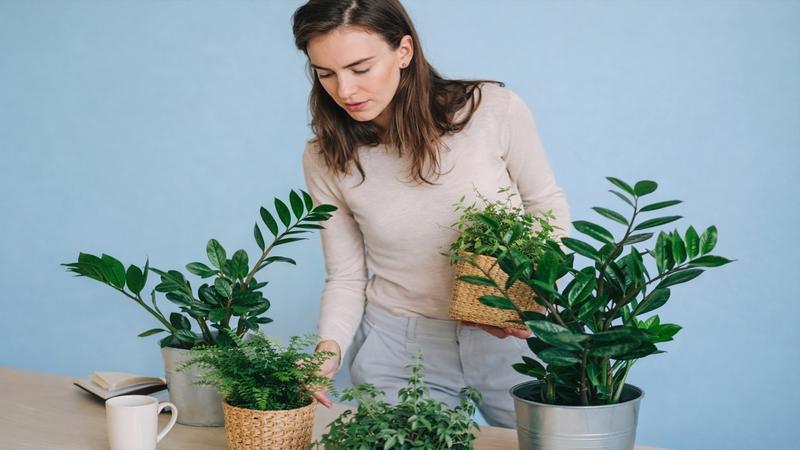
Indoor plant care is essential for maintaining a healthy and vibrant indoor garden. With the right attention to key factors like light, water, soil, humidity, and temperature, you can create an indoor oasis that not only adds beauty to your home but also improves air quality. This guide covers everything you need to know to keep your plants flourishing.
Light Requirements for Indoor Plants
Most indoor plants require bright, indirect light to thrive. Place them near windows with plenty of natural light, but avoid direct sunlight, as it can scorch the leaves. Some plants, like succulents and cacti, can tolerate direct sunlight, while others, such as snake plants and pothos, do well in low-light conditions. Rotating plants periodically helps ensure even exposure to sunlight.
Watering Techniques for Healthy Plants
Proper watering is key to preventing overwatering and root rot. Before watering, check the soil moisture by inserting your finger into the soil. If it feels dry, it's time to water. Use pots with drainage holes to avoid water buildup. During the growing season (spring and summer), plants need more frequent watering, while in the dormant season (fall and winter), they require less.
Soil and Potting Mix
Choose a well-draining potting mix suited for your plant's needs. For example, cacti and succulents prefer a sandy mix, while tropical plants thrive in a peat-based mix. Re-potting your plants every year or two can refresh the soil and give them room to grow. When re-potting, gently loosen the roots and remove any old soil before placing the plant in a new pot with fresh soil.
Humidity and Temperature for Indoor Plants
Many indoor plants, especially tropical varieties, require humidity to thrive. If your home is dry, consider using a humidifier or placing a water tray near the plants to boost humidity. Grouping plants together can also create a microenvironment with higher humidity. Most indoor plants do well in temperatures between 60-75°F (15-24°C). Avoid placing plants near drafts or heaters that can cause temperature fluctuations.
Fertilizing Indoor Plants
Indoor plants benefit from regular feeding during the growing season. Use a balanced, water-soluble fertilizer every 4-6 weeks in spring and summer. Reduce or stop fertilizing in the fall and winter when growth slows. Always follow the fertilizer's instructions to prevent over-fertilization, which can harm plants.
Pruning and Cleaning Your Indoor Plants
Pruning is vital to maintain your plant’s shape and overall health. Trim dead or yellowing leaves, and cut back any leggy growth to encourage bushier, healthier plants. Regularly clean the leaves to prevent dust buildup, which can block light and hinder photosynthesis. Wipe the leaves with a damp cloth or rinse them gently in the shower.
Pest Control for Indoor Plants
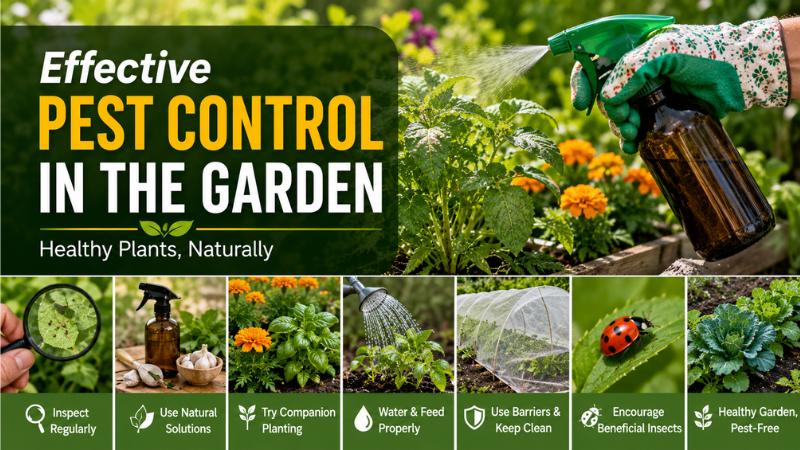
Indoor plants can be susceptible to pests such as spider mites, aphids, and mealybugs. If you notice pests, isolate the affected plant and treat it with insecticidal soap or neem oil. Regularly inspecting your plants can help catch pest problems early before they spread.
With the right care and attention, indoor plants can thrive, enhancing the overall air quality and ambiance of your home. By following these essential tips on light, watering, soil, humidity, fertilizing, pruning, and pest control, you can ensure your plants stay healthy and beautiful. Start mastering indoor plant care today to create a flourishing indoor garden that enhances your living space.