
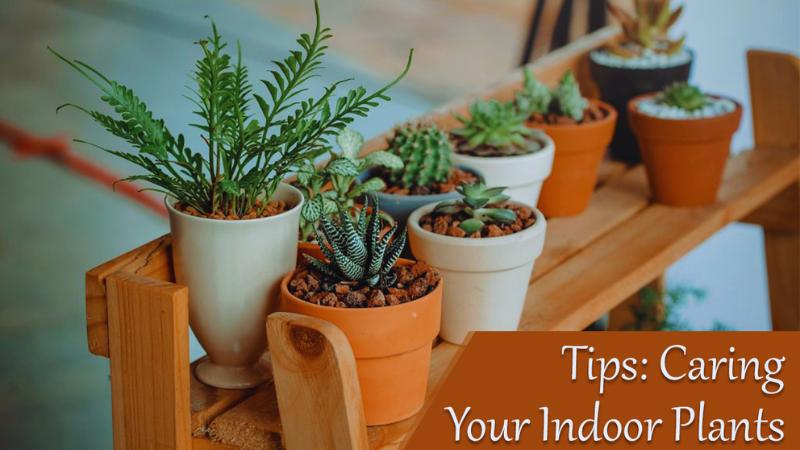
Indoor plants do more than decorate your home. They purify the air, reduce stress, boost mood, and create a calming natural environment. However, keeping houseplants healthy requires proper knowledge of light, watering, soil, and maintenance routines. With the right indoor plant care techniques, anyone can grow thriving, vibrant greenery inside their home. This complete guide will help you understand the essential steps to maintain healthy houseplants throughout the year.
Choosing the Right Indoor Plants
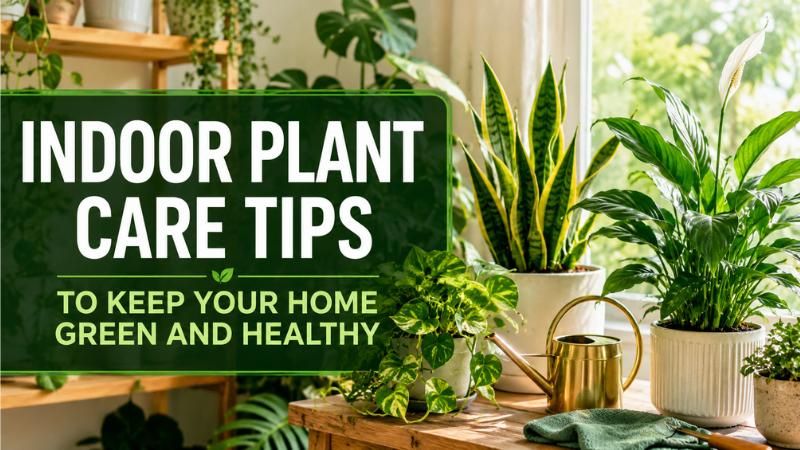
Successful indoor gardening starts with selecting plants suited to your environment. Consider the amount of natural light your home receives. South-facing windows provide bright light, while north-facing spaces offer lower light conditions. Low-maintenance plants like snake plant, pothos, and peace lily are ideal for beginners. If your space has bright indirect light, plants like fiddle leaf fig or monstera can thrive. Matching plants to your home’s light and humidity levels prevents stress and poor growth.
Understanding Light Requirements
Light is one of the most critical factors in indoor plant care. Most houseplants prefer bright, indirect sunlight. Too much direct sun can scorch leaves, while too little light leads to slow growth and yellowing foliage. Rotate your plants every few weeks to ensure even growth. If natural light is limited, consider using grow lights to supplement lighting needs. Observing leaf color and growth patterns helps determine whether your plant is receiving adequate light.
Proper Watering Techniques
Overwatering is the most common mistake in indoor plant care. Each plant species has unique watering needs, but a general rule is to allow the top inch of soil to dry before watering again. Ensure pots have drainage holes to prevent water accumulation and root rot. During warmer months, plants may require more frequent watering, while winter typically demands less. Always adjust watering schedules based on temperature and humidity conditions.
Soil and Fertilization
Healthy soil supports strong root systems. Use a high-quality potting mix designed for indoor plants. Some plants, such as succulents and cacti, require well-draining soil blends. Fertilizing during the growing season (spring and summer) encourages strong growth. A balanced liquid fertilizer applied once a month is usually sufficient. Avoid over-fertilizing, as excess nutrients can damage roots.
Maintaining Humidity and Temperature
Most houseplants thrive in temperatures between 18°C and 27°C. Sudden temperature fluctuations can stress plants. Keep them away from air conditioners, heaters, and cold drafts. Indoor air can become dry, especially in winter. Increase humidity by misting plants, placing a tray of water nearby, or using a humidifier. Tropical plants especially benefit from higher humidity levels.
Pruning and Cleaning
Regular pruning encourages healthy growth and improves plant appearance. Remove yellow or dead leaves to redirect energy to healthy foliage. Dust can accumulate on leaves, reducing their ability to absorb light. Wipe leaves gently with a damp cloth to keep them clean and shiny. This simple maintenance step enhances plant health and visual appeal.
Preventing Pests and Diseases
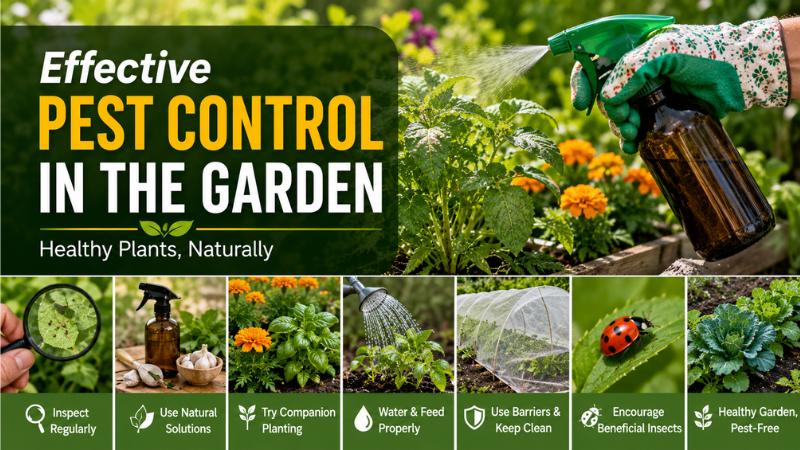
Indoor plants can attract pests like spider mites, aphids, and fungus gnats. Inspect leaves regularly for signs of infestation. Early detection makes treatment easier. Natural remedies such as neem oil or mild soapy water sprays can control most common pests. Maintaining proper watering and airflow reduces the risk of fungal diseases.
Seasonal Indoor Plant Care Tips
Indoor plants require seasonal adjustments. During winter, reduce watering and avoid fertilizing as growth slows. In summer, monitor moisture levels carefully and ensure adequate airflow. Repotting is best done in spring when plants begin active growth. Choosing a slightly larger pot allows roots to expand without becoming overcrowded.