




















#passport
Is Indian Passport Conclusive Proof of Citizenship
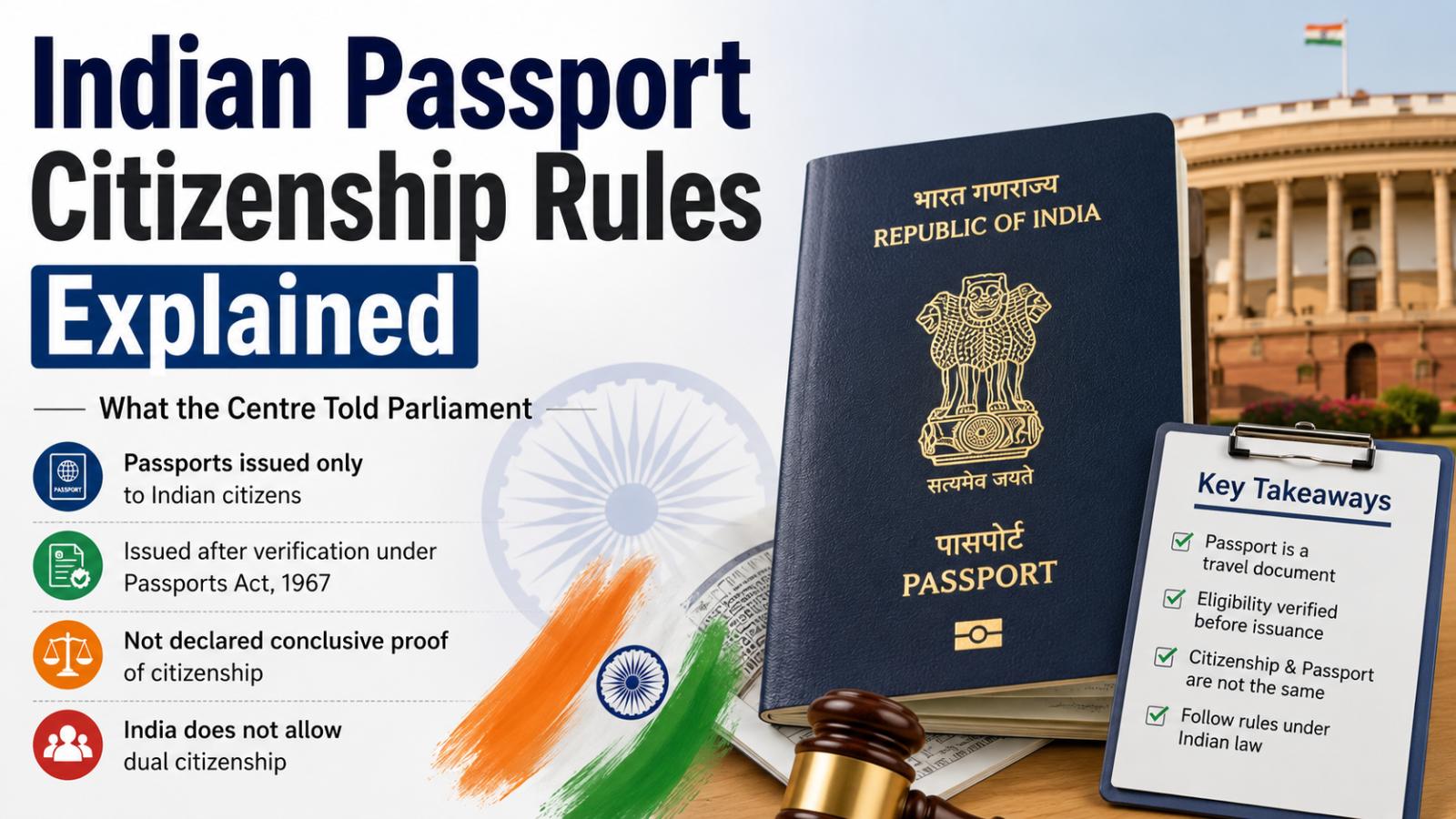
Centre Clarifies Indian Passport and Citizenship Rules The Centre has told Parliament that Indian passports are issued to eligible Indian citizens following verification under the Passports Act, 1967. However, it did not directly declare a passport conclusive standalone proof of citizenship, renewing discussion about citizenship documents in India.
Is Indian Passport Conclusive Proof of Citizenship
Centre Clarifies Indian Passport and Citizenship Rules The Centre has told Parliament that Indian passports are issued to eligible Indian citizens following verification under the Passports Act, 1967. However, it did not directly declare a passport conclusive standalone proof of citizenship, renewing discussion about citizenship documents in India.
How a Protest FIR Can Affect Passports, Jobs and Study Abroad
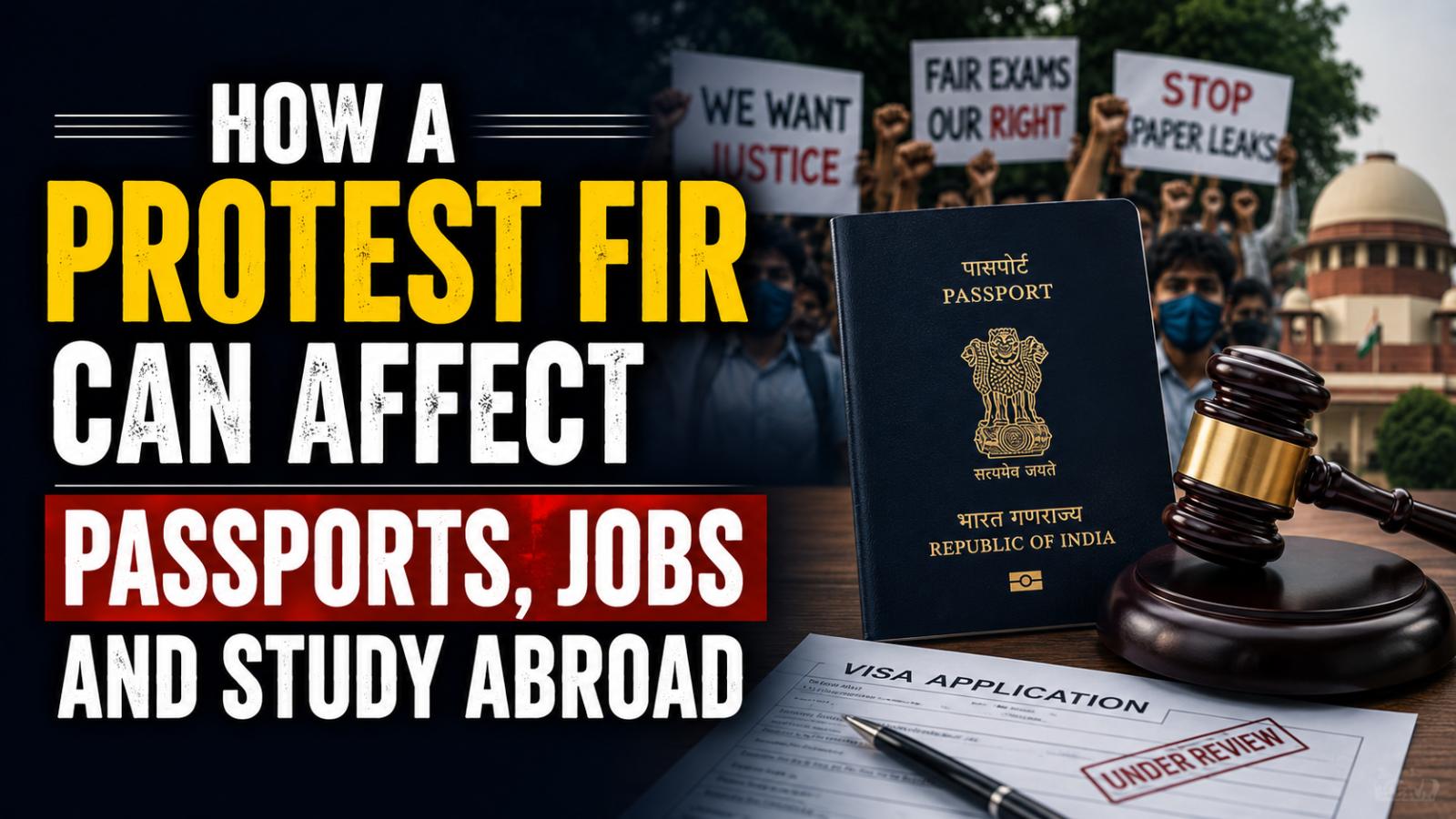
Protest FIR impact on passport and career can extend beyond the protest site. FIR effect on passport application, student visa criminal background checks and police verification may create delays even without conviction. Students joining peaceful demonstrations may not always consider how a police complaint could affect their future. An FIR does not establish guilt, but legal experts say it can still create problems during passport verificat
How a Protest FIR Can Affect Passports, Jobs and Study Abroad
Protest FIR impact on passport and career can extend beyond the protest site. FIR effect on passport application, student visa criminal background checks and police verification may create delays even without conviction. Students joining peaceful demonstrations may not always consider how a police complaint could affect their future. An FIR does not establish guilt, but legal experts say it can still create problems during passport verificat
Thailand Visa-Free Entry for Indians Cut to 30 Days
Thailand 30-Day Visa-Free Entry for Indians Retained in 2026 Thailand’s 30-day visa-free entry for Indians will continue under the country’s revised 2026 travel policy. However, Indian passport holders will now be permitted to stay without a visa for a maximum of 30 days instead of the earlier 60-day period. The decision offers relief to Indian tourists after uncertainty over whether Thailand would completely remove India from its visa-exemption prog
Thailand Visa-Free Entry for Indians Cut to 30 Days
Thailand 30-Day Visa-Free Entry for Indians Retained in 2026 Thailand’s 30-day visa-free entry for Indians will continue under the country’s revised 2026 travel policy. However, Indian passport holders will now be permitted to stay without a visa for a maximum of 30 days instead of the earlier 60-day period. The decision offers relief to Indian tourists after uncertainty over whether Thailand would completely remove India from its visa-exemption prog
July 1 Financial Changes: ITR Deadline, Aadhaar Update, Passport Fees And Credit Card Rules
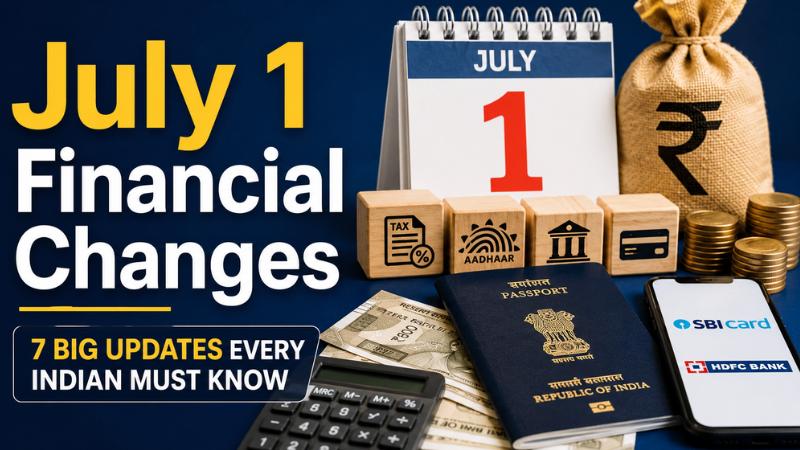
July 1 Financial Changes: ITR Deadline, Aadhaar Update, Passport Fees And Credit Card Rules Several important financial changes have come into effect from July 1, 2026, and many of them directly affect Indian households, taxpayers, bank customers, and credit card users. From income tax return filing deadlines to Aadhaar email updates, passport fee hikes, fuel price cuts, and revised card benefits, these new money rules are worth checking before making financial de
July 1 Financial Changes: ITR Deadline, Aadhaar Update, Passport Fees And Credit Card Rules
July 1 Financial Changes: ITR Deadline, Aadhaar Update, Passport Fees And Credit Card Rules Several important financial changes have come into effect from July 1, 2026, and many of them directly affect Indian households, taxpayers, bank customers, and credit card users. From income tax return filing deadlines to Aadhaar email updates, passport fee hikes, fuel price cuts, and revised card benefits, these new money rules are worth checking before making financial de
Passport Fees Hiked From July 1: Check New Rates
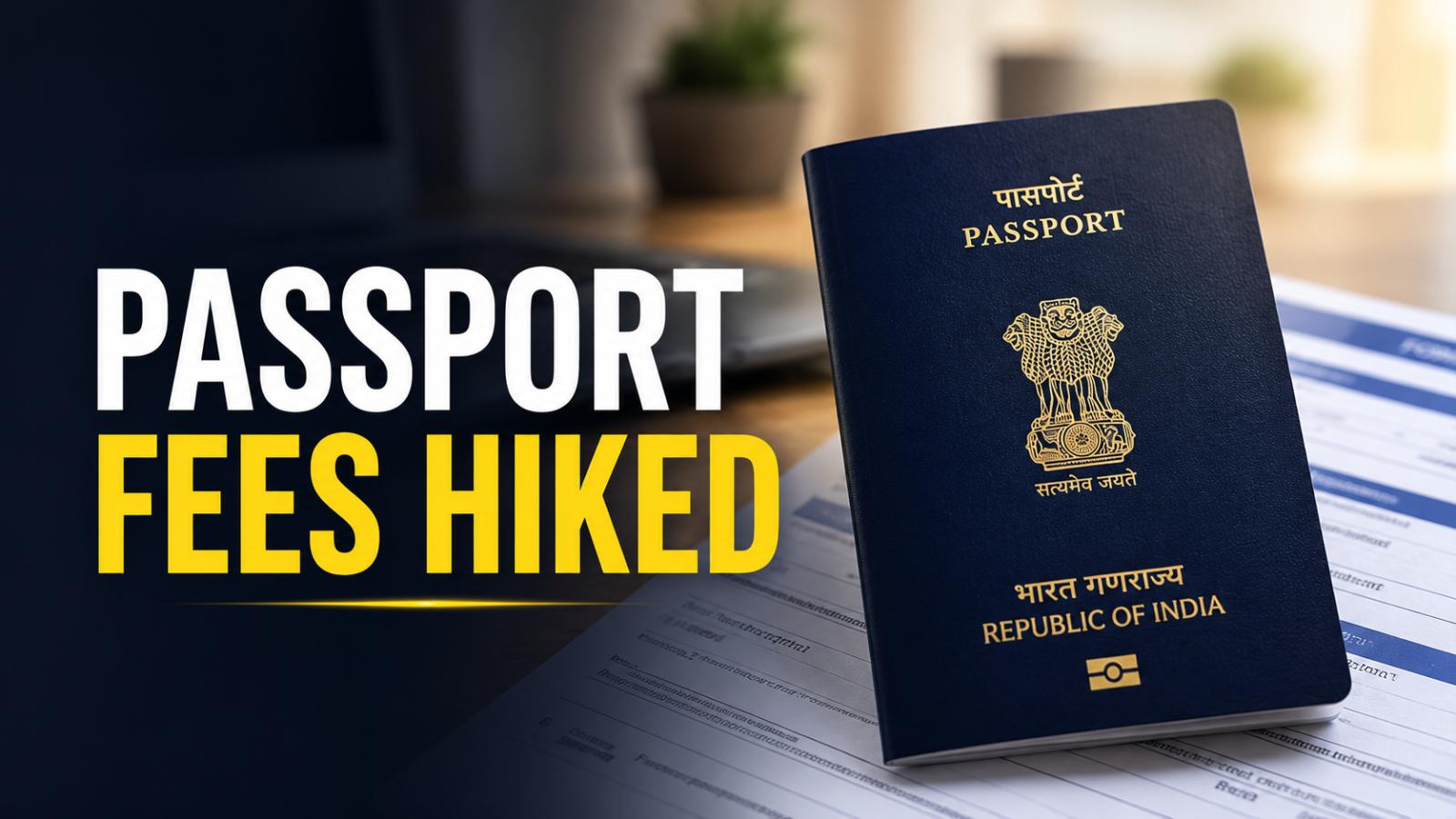
New Delhi, June 26: Passport applicants in India will have to pay higher fees from July 1, 2026, as the government has revised charges for fresh passports, reissues and replacement of lost or damaged passports. Under the revised rules, a fresh or reissued ordinary 36-page passport will cost Rs 2,500, while the Tatkal fee for the same category has been increased to Rs 5,000. Passport Fees Revised From Jul
Passport Fees Hiked From July 1: Check New Rates
New Delhi, June 26: Passport applicants in India will have to pay higher fees from July 1, 2026, as the government has revised charges for fresh passports, reissues and replacement of lost or damaged passports. Under the revised rules, a fresh or reissued ordinary 36-page passport will cost Rs 2,500, while the Tatkal fee for the same category has been increased to Rs 5,000. Passport Fees Revised From Jul
Passport Power 2026: Singapore Leads As India Moves Up To 80th
Singapore Tops 2026 Passport Index, India Rises To 80th Rank Singapore leads the 2026 passport ranking with access to 192 destinations, while India moves up to 80th as global citizenship proof rules continue to differ. Singapore Tops 2026 Passport Index As India Moves Up; Citizenship Proof Rules Differ Globally A passport is often seen as a simple travel document, but it also reflects
Passport Power 2026: Singapore Leads As India Moves Up To 80th
Singapore Tops 2026 Passport Index, India Rises To 80th Rank Singapore leads the 2026 passport ranking with access to 192 destinations, while India moves up to 80th as global citizenship proof rules continue to differ. Singapore Tops 2026 Passport Index As India Moves Up; Citizenship Proof Rules Differ Globally A passport is often seen as a simple travel document, but it also reflects
Indian Passport, Aadhaar Not Final Proof of Citizenship: What Counts?
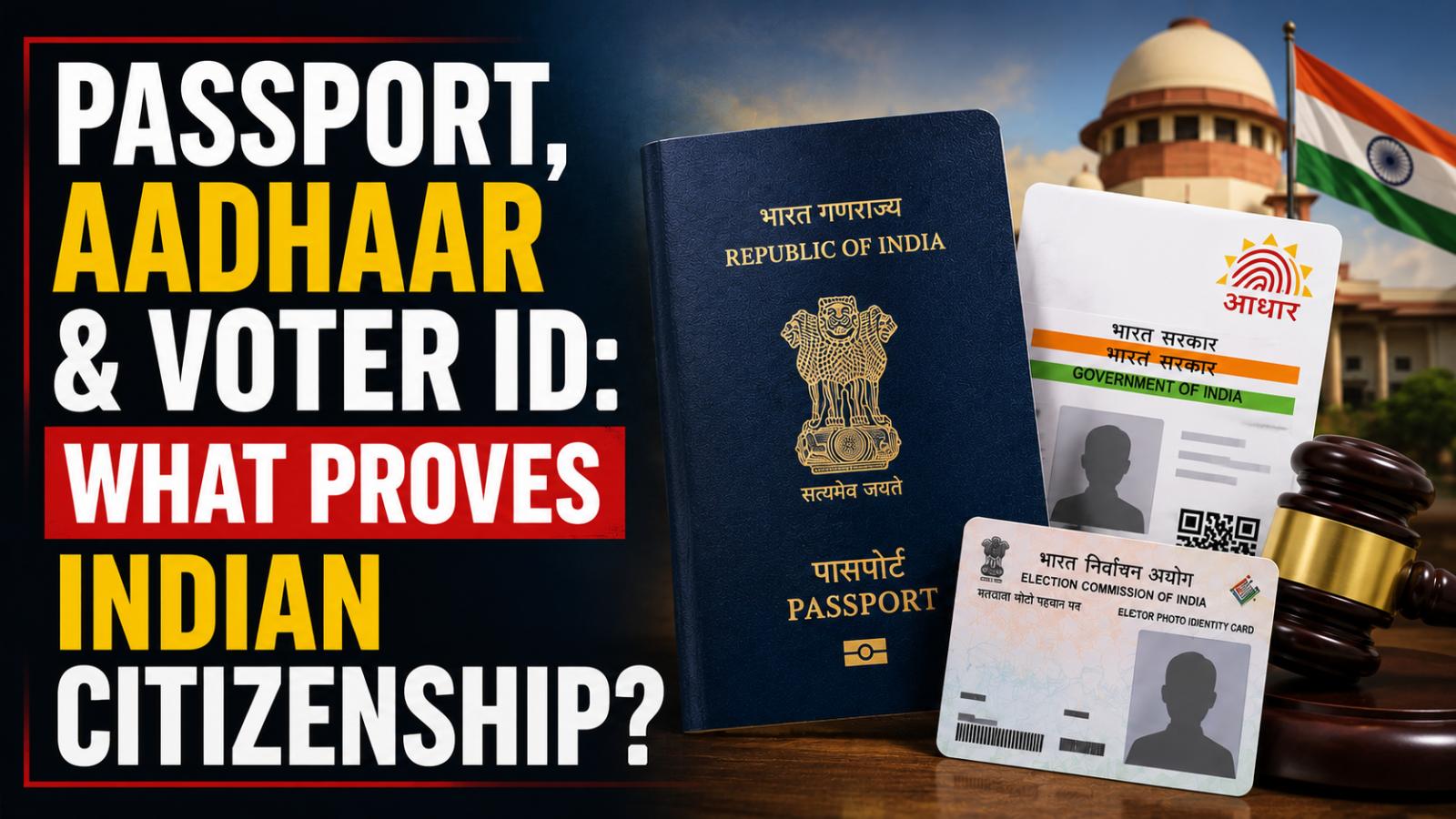
Why Common Identity Documents May Not Be Enough For many Indians, possessing a passport, Aadhaar card, or voter ID has long been considered sufficient evidence of citizenship. However, recent clarifications from government officials have highlighted an important legal distinction: these documents are not always considered conclusive proof of Indian citizenship. An Indian passport serves primarily as an international travel document and carries a strong presumption of nationality, but it does not automatically establish citizenship in every legal situation. Similarly, Aadhaar is officially recognized only as proof of identity and residence, while a voter ID card, although significant for electoral purposes, may not always be the final determining document during complex legal proceedings. The issue becomes particularly important when citizenship is challenged or when authorities require strict legal verification. In such cases, courts and government agencies often rely on historical records, family documentation, and documents issued under the provisions of the Citizenship Act, 1955. Documents That Legally Establish Indian Citizenship The strongest evidence of Indian citizenship includes a Certificate of Registration or Certificate of Naturalisation issued by the Ministry of Home Affairs under the Citizenship Act, 1955. These certificates are granted to individuals who acquire Indian citizenship through legal registration or naturalization procedures. For citizens born in India, a birth certificate can also serve as crucial proof, but its legal validity depends on the date of birth. People born between January 26, 1950, and July 1, 1987, are generally considered citizens solely based on birth in India. Those born between July 1, 1987, and December 3, 2004, must additionally prove that at least one parent was an Indian citizen at the time of birth. For individuals born after December 3, 2004, the requirements became stricter. They must provide evidence that both parents are Indian citizens or that one parent is an Indian citizen while the other is not an illegal migrant. In disputed cases, authorities may also examine ancestral documents, legacy records, land ownership papers, and entries in government registers to establish citizenship claims. The clarification serves as a reminder that while commonly used identity documents are important for everyday purposes, proving citizenship under Indian law may require a broader set of supporting records and historical documentation.
Indian Passport, Aadhaar Not Final Proof of Citizenship: What Counts?
Why Common Identity Documents May Not Be Enough For many Indians, possessing a passport, Aadhaar card, or voter ID has long been considered sufficient evidence of citizenship. However, recent clarifications from government officials have highlighted an important legal distinction: these documents are not always considered conclusive proof of Indian citizenship. An Indian passport serves primarily as an international travel document and carries a strong presumption of nationality, but it does not automatically establish citizenship in every legal situation. Similarly, Aadhaar is officially recognized only as proof of identity and residence, while a voter ID card, although significant for electoral purposes, may not always be the final determining document during complex legal proceedings. The issue becomes particularly important when citizenship is challenged or when authorities require strict legal verification. In such cases, courts and government agencies often rely on historical records, family documentation, and documents issued under the provisions of the Citizenship Act, 1955. Documents That Legally Establish Indian Citizenship The strongest evidence of Indian citizenship includes a Certificate of Registration or Certificate of Naturalisation issued by the Ministry of Home Affairs under the Citizenship Act, 1955. These certificates are granted to individuals who acquire Indian citizenship through legal registration or naturalization procedures. For citizens born in India, a birth certificate can also serve as crucial proof, but its legal validity depends on the date of birth. People born between January 26, 1950, and July 1, 1987, are generally considered citizens solely based on birth in India. Those born between July 1, 1987, and December 3, 2004, must additionally prove that at least one parent was an Indian citizen at the time of birth. For individuals born after December 3, 2004, the requirements became stricter. They must provide evidence that both parents are Indian citizens or that one parent is an Indian citizen while the other is not an illegal migrant. In disputed cases, authorities may also examine ancestral documents, legacy records, land ownership papers, and entries in government registers to establish citizenship claims. The clarification serves as a reminder that while commonly used identity documents are important for everyday purposes, proving citizenship under Indian law may require a broader set of supporting records and historical documentation.


