NRI Parents and the Evolving Concept of Marriage: Bridging Cultural Gaps
The Cultural Divide: Traditional Values vs. Modern Lifestyles One of the main challenges NRI parents face in arranging marriages for their children is reconciling the cultural expectations of marriage with the increasingly liberal, Westernized lifestyles of their children. Many NRI children, especially those born or raised abroad, prioritize love and personal choice over the traditional approach of arranged marriages. Parents, who a
NRI Parents and the Evolving Concept of Marriage: Bridging Cultural Gaps
The Cultural Divide: Traditional Values vs. Modern Lifestyles One of the main challenges NRI parents face in arranging marriages for their children is reconciling the cultural expectations of marriage with the increasingly liberal, Westernized lifestyles of their children. Many NRI children, especially those born or raised abroad, prioritize love and personal choice over the traditional approach of arranged marriages. Parents, who a
Key Legal and Compliance Factors When Buying Property from an NRI
When buying property from a Non-Resident Indian (NRI), one of the key aspects that differentiates it from typical real estate transactions is the Tax Deducted at Source (TDS) under Section 195 of the Income Tax Act. While Indian residents are subject to a 1% TDS on property transactions above ₹50 lakh, the TDS rate increases significantly for property sales involving an NRI seller. The buyer must deduct TDS at rates starting from 20% and deposit it with the Indian income tax authorities. A
Key Legal and Compliance Factors When Buying Property from an NRI
When buying property from a Non-Resident Indian (NRI), one of the key aspects that differentiates it from typical real estate transactions is the Tax Deducted at Source (TDS) under Section 195 of the Income Tax Act. While Indian residents are subject to a 1% TDS on property transactions above ₹50 lakh, the TDS rate increases significantly for property sales involving an NRI seller. The buyer must deduct TDS at rates starting from 20% and deposit it with the Indian income tax authorities. A
Why Indian Insurance Is the Best Option for NRIs: Affordable, Tax-Efficient, and Convenient
For Non-Resident Indians (NRIs), purchasing health and term insurance in India presents an attractive option due to affordable premiums and extensive coverage. Indian insurance companies offer plans that are often more economical than those available in foreign countries, making them an ideal choice for NRIs who want to protect their families back home without overburdening their finances. These policies are customized to suit the needs of Indian families, offering high coverage at a fraction
Why Indian Insurance Is the Best Option for NRIs: Affordable, Tax-Efficient, and Convenient
For Non-Resident Indians (NRIs), purchasing health and term insurance in India presents an attractive option due to affordable premiums and extensive coverage. Indian insurance companies offer plans that are often more economical than those available in foreign countries, making them an ideal choice for NRIs who want to protect their families back home without overburdening their finances. These policies are customized to suit the needs of Indian families, offering high coverage at a fraction
Understanding RBI's Impact on Offshore Gifting and NRI Transactions
The Reserve Bank of India (RBI) has recently imposed stricter regulations on offshore gifting, particularly for affluent Indian families sending substantial financial gifts to their children living abroad. These gifts are often used to support various needs, such as education, property purchases, or immigration investments, such as the U.S. EB-5 visa program. While the practice of offshore gifting has grown in popularity, the RBI has increased scrutiny, especially when these transactions invo
Understanding RBI's Impact on Offshore Gifting and NRI Transactions
The Reserve Bank of India (RBI) has recently imposed stricter regulations on offshore gifting, particularly for affluent Indian families sending substantial financial gifts to their children living abroad. These gifts are often used to support various needs, such as education, property purchases, or immigration investments, such as the U.S. EB-5 visa program. While the practice of offshore gifting has grown in popularity, the RBI has increased scrutiny, especially when these transactions invo
Fusion of Tradition and Modernity: The Role of Young Indian-Americans in Cultural Evolution
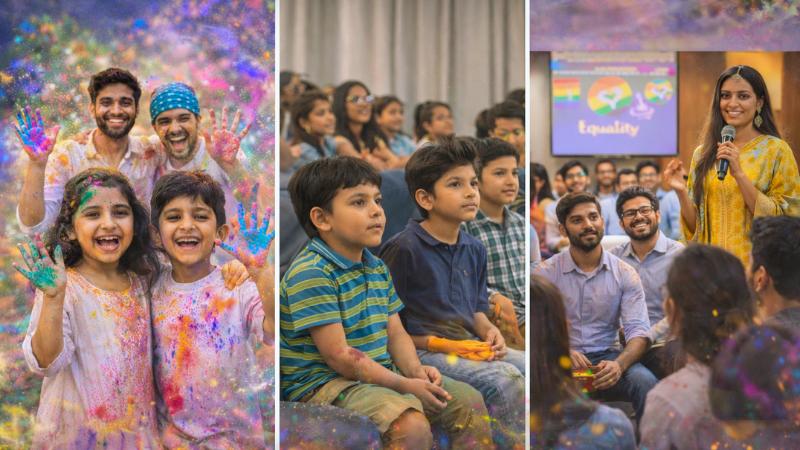
Young Indian-Americans, particularly second-generation NRIs, are spearheading a cultural revolution in the United States. Born or raised in the U.S., these youth are reinterpreting Indian culture through a fusion of traditional and contemporary influences. While their parents often maintained strong ties to Indian traditions, younger NRIs are creating a unique identity that blends Indian values with modern societal norms. This transformation is especially visible in the way they celebrate Indian festivals, such as Diwali and Holi, with modern twists that incorporate technology, fusion dance, and bilingual emceeing, making these celebrations more inclusive for people from diverse backgrounds. Culinary innovation is another domain where these youth are making a significant impact. Traditional Indian recipes are being adapted to modern tastes and dietary preferences. Vegan butter chicken, quinoa upma, and air-fried samosas are just a few examples of how young Indian-Americans are staying connected to their roots while promoting sustainability and healthy eating. Cooking has become a way to tell stories and pass down traditions, albeit in a contemporary context, as second-generation NRIs experiment with ingredients and cooking methods that resonate with their modern lifestyles. Language plays a crucial role in the ongoing cultural evolution. Though many second-generation NRIs might not be fluent in their parents' native languages, they still embrace key cultural phrases and expressions. Some are actively learning their ancestral languages through digital tools or community programs, ensuring that the connection to their linguistic heritage remains strong. This linguistic blend of old and new is reinforced by films, storytelling, and social media, which serve as essential tools for maintaining cultural ties in a fast-paced, interconnected world. Perhaps the most profound shift lies in how second-generation NRIs are challenging long-held cultural taboos. Issues like gender equality, mental health and interfaith relationships are now being addressed more openly and inclusively. While the previous generation might have shied away from these conversations due to cultural and social constraints, today's youth are breaking barriers and engaging in these discussions with a fresh perspective. Their willingness to confront such topics reflects a broader, more inclusive view of identity that blends both Indian cultural values and Western ideals of self-expression, freedom, and equality. This transformation is shaping the way they define themselves and their relationships, emphasizing the importance of personal choice, respect for diversity, and social justice. Through this evolving dialogue, second-generation NRIs are not only redefining their cultural identity but also influencing how future generations will approach these critical issues within both their communities and the broader global context.

Fusion of Tradition and Modernity: The Role of Young Indian-Americans in Cultural Evolution
Young Indian-Americans, particularly second-generation NRIs, are spearheading a cultural revolution in the United States. Born or raised in the U.S., these youth are reinterpreting Indian culture through a fusion of traditional and contemporary influences. While their parents often maintained strong ties to Indian traditions, younger NRIs are creating a unique identity that blends Indian values with modern societal norms. This transformation is especially visible in the way they celebrate Indian festivals, such as Diwali and Holi, with modern twists that incorporate technology, fusion dance, and bilingual emceeing, making these celebrations more inclusive for people from diverse backgrounds. Culinary innovation is another domain where these youth are making a significant impact. Traditional Indian recipes are being adapted to modern tastes and dietary preferences. Vegan butter chicken, quinoa upma, and air-fried samosas are just a few examples of how young Indian-Americans are staying connected to their roots while promoting sustainability and healthy eating. Cooking has become a way to tell stories and pass down traditions, albeit in a contemporary context, as second-generation NRIs experiment with ingredients and cooking methods that resonate with their modern lifestyles. Language plays a crucial role in the ongoing cultural evolution. Though many second-generation NRIs might not be fluent in their parents' native languages, they still embrace key cultural phrases and expressions. Some are actively learning their ancestral languages through digital tools or community programs, ensuring that the connection to their linguistic heritage remains strong. This linguistic blend of old and new is reinforced by films, storytelling, and social media, which serve as essential tools for maintaining cultural ties in a fast-paced, interconnected world. Perhaps the most profound shift lies in how second-generation NRIs are challenging long-held cultural taboos. Issues like gender equality, mental health and interfaith relationships are now being addressed more openly and inclusively. While the previous generation might have shied away from these conversations due to cultural and social constraints, today's youth are breaking barriers and engaging in these discussions with a fresh perspective. Their willingness to confront such topics reflects a broader, more inclusive view of identity that blends both Indian cultural values and Western ideals of self-expression, freedom, and equality. This transformation is shaping the way they define themselves and their relationships, emphasizing the importance of personal choice, respect for diversity, and social justice. Through this evolving dialogue, second-generation NRIs are not only redefining their cultural identity but also influencing how future generations will approach these critical issues within both their communities and the broader global context.
RBI Steps in as Banks Scale Back JPY-linked Special Deposits for NRIs
Mumbai's financial landscape has seen significant changes as the Reserve Bank of India (RBI) takes action on JPY-linked special deposits. Once a popular tool for attracting NRI funds, these deposits were marketed as premium rupee plans (PRPs), offering high returns by leveraging the forward premium on the Japanese yen. Banks, like IndusInd Bank and Yes Bank, had been using these products to attract NRI deposits by offering high yields based on the yen's forward premium in the foreign exchange
RBI Steps in as Banks Scale Back JPY-linked Special Deposits for NRIs
Mumbai's financial landscape has seen significant changes as the Reserve Bank of India (RBI) takes action on JPY-linked special deposits. Once a popular tool for attracting NRI funds, these deposits were marketed as premium rupee plans (PRPs), offering high returns by leveraging the forward premium on the Japanese yen. Banks, like IndusInd Bank and Yes Bank, had been using these products to attract NRI deposits by offering high yields based on the yen's forward premium in the foreign exchange
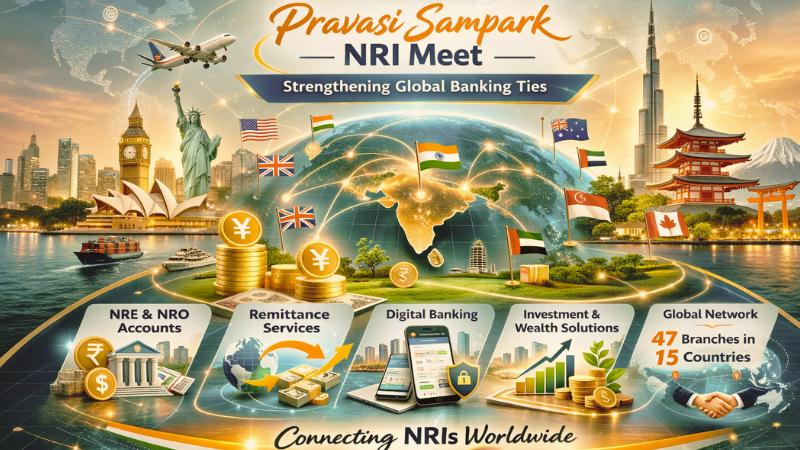
Bank of India’s Pravasi Sampark NRI Meet: Strengthening Global Banking Ties
Bank of India recently hosted an NRI Meet, “Pravasi Sampark,” in Mumbai’s North Zone, designed to enhance its engagement with the Non-Resident Indian (NRI) community. This initiative is part of the bank’s ongoing strategy to provide customer-centric financial services, catering to the evolving needs of NRIs, including banking, investment, and remittance solutions. The event highlighted the bank’s commitment to strengthening long-term relationships with global Indians by leveraging a
Bank of India’s Pravasi Sampark NRI Meet: Strengthening Global Banking Ties
Bank of India recently hosted an NRI Meet, “Pravasi Sampark,” in Mumbai’s North Zone, designed to enhance its engagement with the Non-Resident Indian (NRI) community. This initiative is part of the bank’s ongoing strategy to provide customer-centric financial services, catering to the evolving needs of NRIs, including banking, investment, and remittance solutions. The event highlighted the bank’s commitment to strengthening long-term relationships with global Indians by leveraging a
Bengaluru tech professional shot dead in targeted attack at Toronto parking lot
A 37-year-old Indian-origin information technology professional from Karnataka was shot dead in a suspected targeted attack at a shopping centre parking lot in Toronto, Canadian police said. The victim, identified as Chandan Kumar, was a native of Bengaluru Rural district and had been living and working in Canada for the past six years. According to investigators, the shooting took place on Saturday, February 7, when unidentified assailants opened fire on the vehicle Kumar was trave
Bengaluru tech professional shot dead in targeted attack at Toronto parking lot
A 37-year-old Indian-origin information technology professional from Karnataka was shot dead in a suspected targeted attack at a shopping centre parking lot in Toronto, Canadian police said. The victim, identified as Chandan Kumar, was a native of Bengaluru Rural district and had been living and working in Canada for the past six years. According to investigators, the shooting took place on Saturday, February 7, when unidentified assailants opened fire on the vehicle Kumar was trave