


















#irrigation
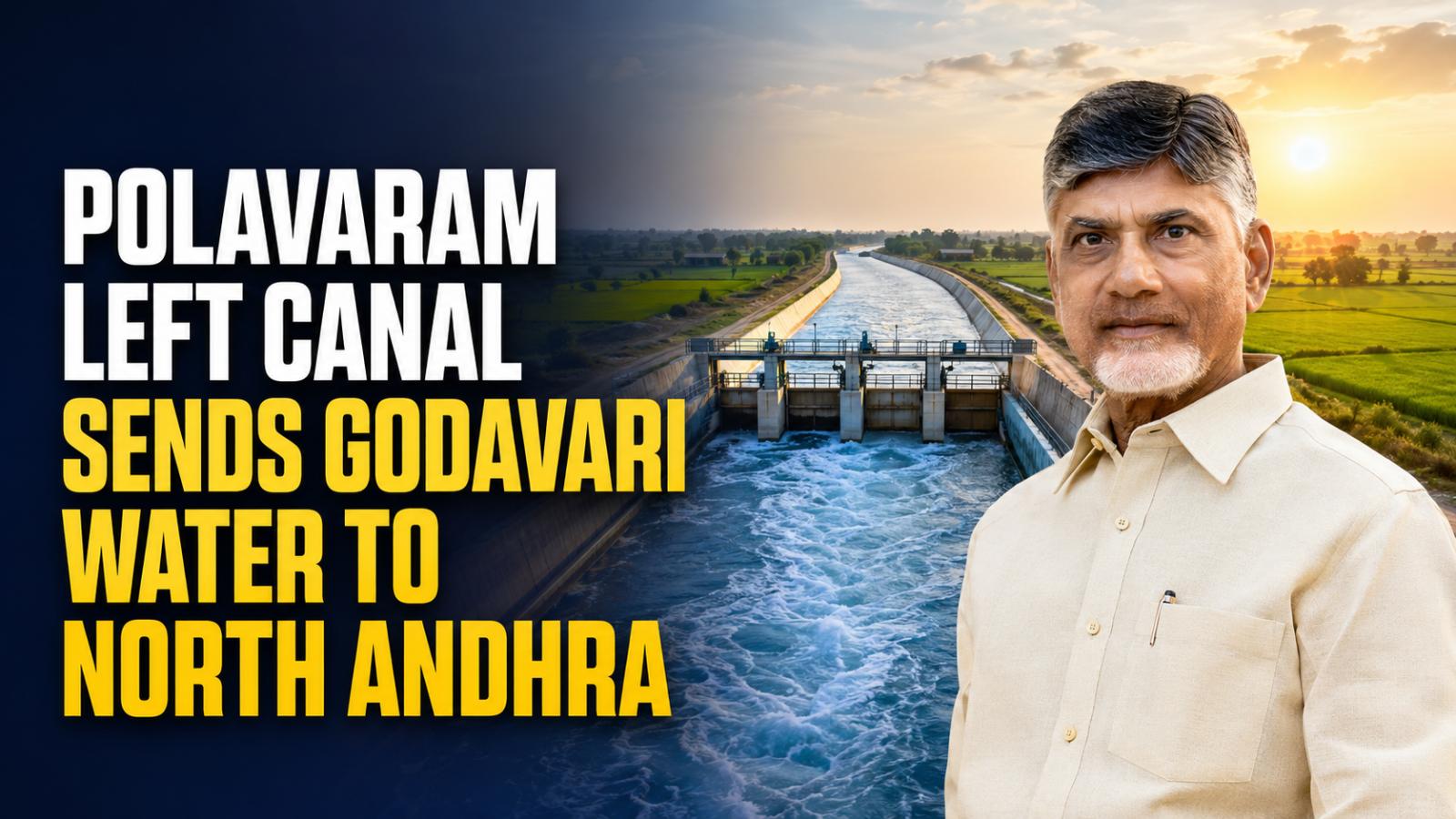
Polavaram Left Canal Sends Godavari Water to North Andhra
Chief Minister N. Chandrababu Naidu released Godavari water through the Polavaram Left Main Canal. The milestone is expected to support irrigation across 2.87 lakh acres and provide drinking water to 5.23 lakh people in North Andhra. Andhra Pradesh Chief Minister N. Chandrababu Naidu released Godavari water towards North Andhra through the Polavaram Project’s Left Main Canal on Wednesday, marking an important milestone in th
Polavaram Left Canal Sends Godavari Water to North Andhra
Chief Minister N. Chandrababu Naidu released Godavari water through the Polavaram Left Main Canal. The milestone is expected to support irrigation across 2.87 lakh acres and provide drinking water to 5.23 lakh people in North Andhra. Andhra Pradesh Chief Minister N. Chandrababu Naidu released Godavari water towards North Andhra through the Polavaram Project’s Left Main Canal on Wednesday, marking an important milestone in th
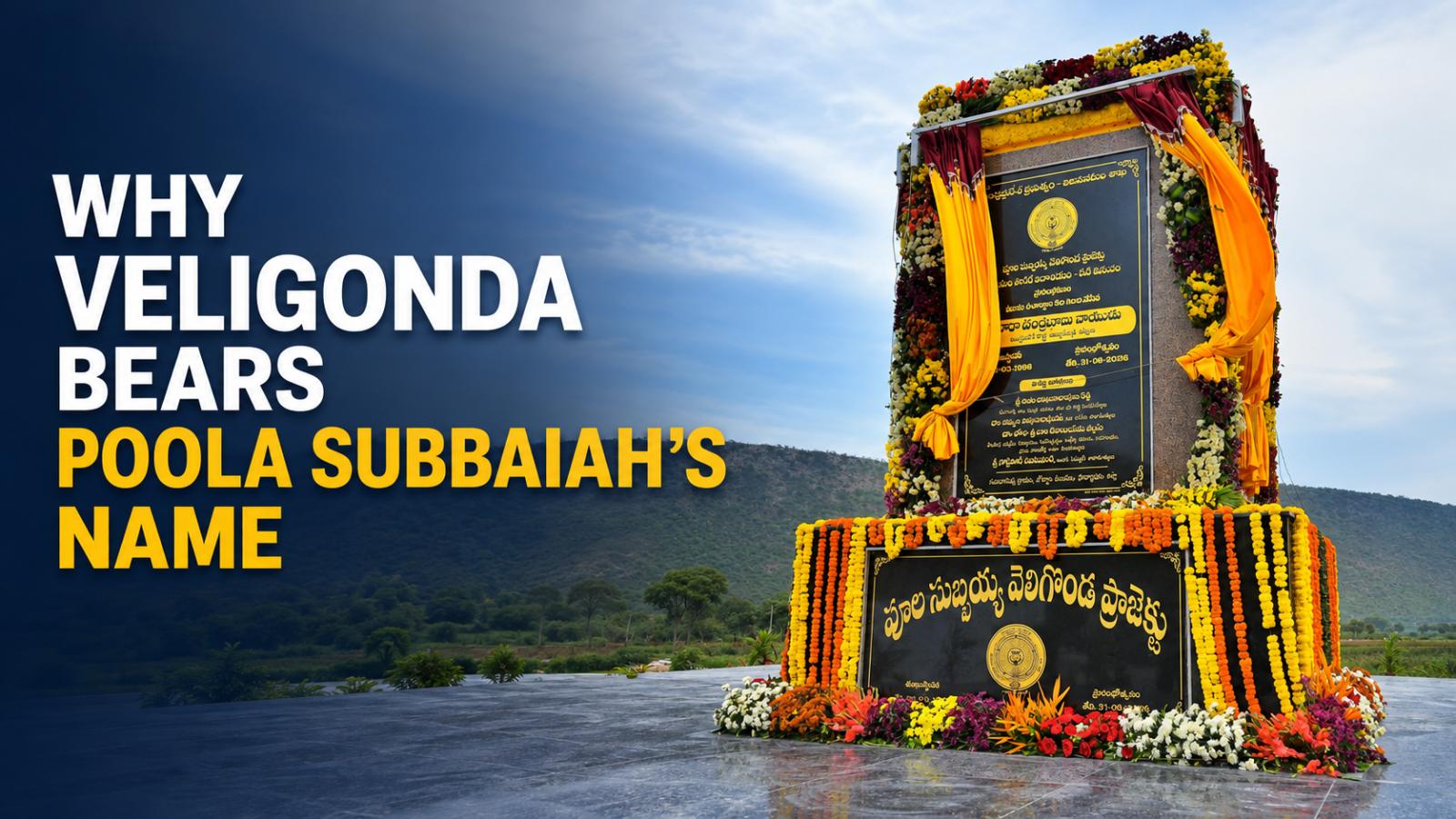
Who Was Poola Subbaiah and Why Veligonda Bears His Name
Poola Subbaiah’s legacy returned to focus at the Veligonda Phase 1 inauguration. The project bears his name in recognition of his long campaign for water security across drought-affected western Prakasam. The inauguration of Phase 1 of the Poola Subbaiah Veligonda Project has renewed interest in the leader whose name is attached to one of Andhra Pradesh’s most significant irrigation initiatives. Poola Subbaiah was a Communist leader and former legislator wh
Who Was Poola Subbaiah and Why Veligonda Bears His Name
Poola Subbaiah’s legacy returned to focus at the Veligonda Phase 1 inauguration. The project bears his name in recognition of his long campaign for water security across drought-affected western Prakasam. The inauguration of Phase 1 of the Poola Subbaiah Veligonda Project has renewed interest in the leader whose name is attached to one of Andhra Pradesh’s most significant irrigation initiatives. Poola Subbaiah was a Communist leader and former legislator wh
Chandrababu Naidu Inaugurates Veligonda Phase 1: LIVE
Chief Minister N. Chandrababu Naidu inaugurated Veligonda Phase 1, enabling Krishna floodwater diversion for irrigation and drinking-water needs. Chandrababu Naidu opens Veligonda Phase 1 Andhra Pradesh Chief Minister N. Chandrababu Naidu inaugurated the first phase of the Ve
Chandrababu Naidu Inaugurates Veligonda Phase 1: LIVE
Chief Minister N. Chandrababu Naidu inaugurated Veligonda Phase 1, enabling Krishna floodwater diversion for irrigation and drinking-water needs. Chandrababu Naidu opens Veligonda Phase 1 Andhra Pradesh Chief Minister N. Chandrababu Naidu inaugurated the first phase of the Ve
Naidu Urges Collaborative Efforts to Resolve Telangana–Andhra Water Sharing Dispute
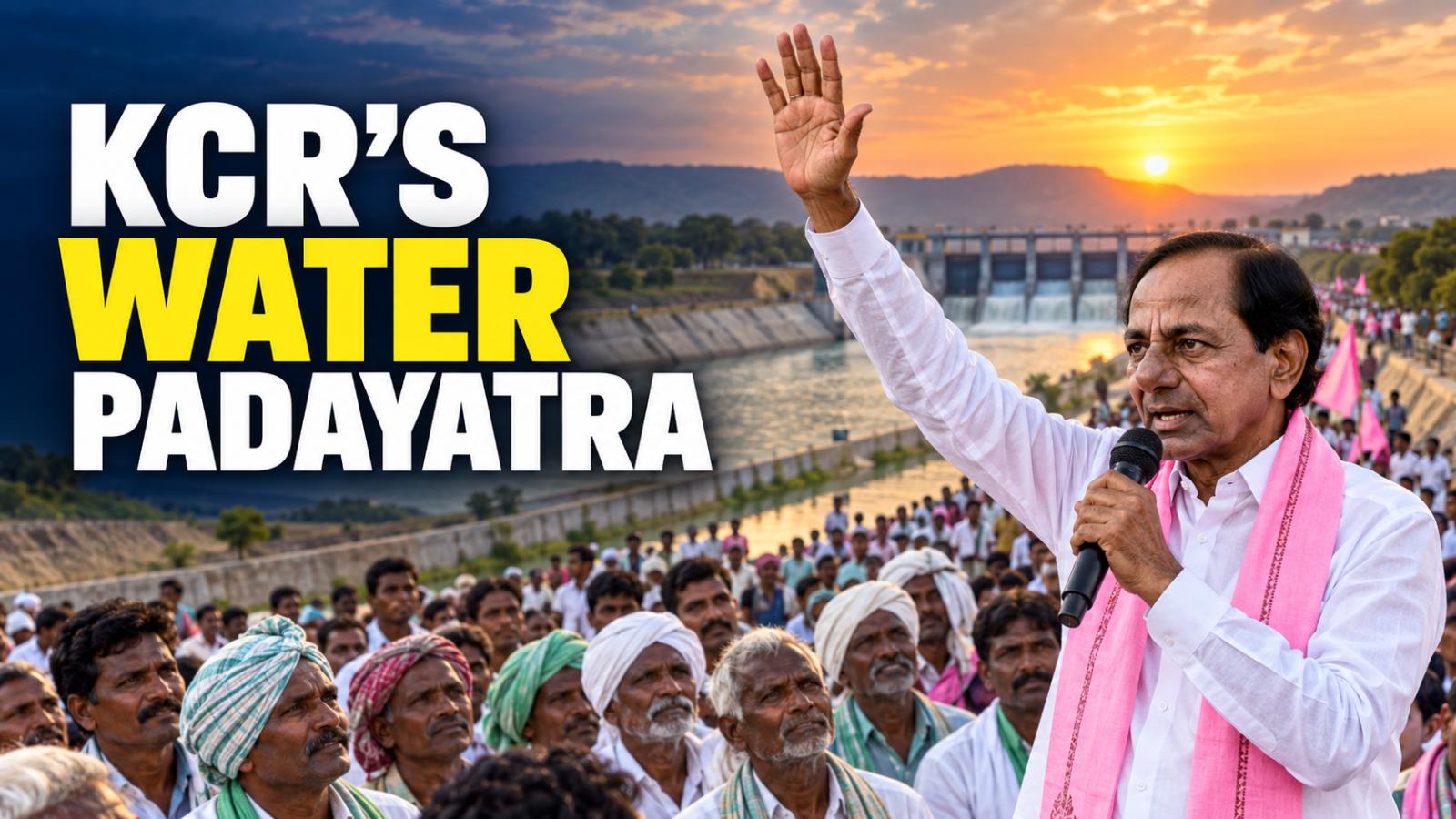
Water sharing between Andhra Pradesh (AP) and Telangana has once again become a hot topic of public discussion, especially when fluctuating reservoir levels or unpredictable rainfall patterns heighten concerns. While the debate often takes on a political tone, causing confusion among farmers and the public, the real issue lies in ensuring stable and equitable access to this shared natural resource. AP Chief Minister N. Chandrababu Naidu has been consistently highlighting the importance of efficient water management and cooperation between the two states. His approach emphasizes administrative clarity, scientific planning, and mutual coordination rather than conflict. Naidu advocates for transparency in data and clear communication between the irrigation departments of both states to avoid misunderstandings and reduce political tensions. Naidu’s stance is straightforward: improved water resource management, such as sharing transparent data on river inflows and disciplined reservoir management, can help both states avoid unnecessary disputes. This strategy depends on the exchange of real-time information on shared river systems like the Krishna and Godavari, which support agriculture, drinking water supply, and industries in both regions. Central to this approach is the modernization of irrigation infrastructure, particularly canal systems, to minimize water loss and ensure fair distribution to farmers, particularly those at the end of irrigation networks. Managing these resources effectively requires both timely updates and long-term planning to meet the needs of farmers in both states. One of the major challenges to water sharing is climate variability. With rainfall patterns becoming increasingly unpredictable, careful planning for both drought and surplus conditions is essential. This requires coordinated efforts, ensuring both states are prepared for any situation. Building public confidence hinges on governments engaging in open dialogue and using verified data to inform decisions. While political debate will always be part of the democratic process, water security depends on stability, foresight, and cooperation. Naidu believes that prioritizing collaboration between AP and Telangana will help protect the interests of farmers and citizens, ensuring that natural resources are managed fairly and efficiently.
Naidu Urges Collaborative Efforts to Resolve Telangana–Andhra Water Sharing Dispute
Water sharing between Andhra Pradesh (AP) and Telangana has once again become a hot topic of public discussion, especially when fluctuating reservoir levels or unpredictable rainfall patterns heighten concerns. While the debate often takes on a political tone, causing confusion among farmers and the public, the real issue lies in ensuring stable and equitable access to this shared natural resource. AP Chief Minister N. Chandrababu Naidu has been consistently highlighting the importance of efficient water management and cooperation between the two states. His approach emphasizes administrative clarity, scientific planning, and mutual coordination rather than conflict. Naidu advocates for transparency in data and clear communication between the irrigation departments of both states to avoid misunderstandings and reduce political tensions. Naidu’s stance is straightforward: improved water resource management, such as sharing transparent data on river inflows and disciplined reservoir management, can help both states avoid unnecessary disputes. This strategy depends on the exchange of real-time information on shared river systems like the Krishna and Godavari, which support agriculture, drinking water supply, and industries in both regions. Central to this approach is the modernization of irrigation infrastructure, particularly canal systems, to minimize water loss and ensure fair distribution to farmers, particularly those at the end of irrigation networks. Managing these resources effectively requires both timely updates and long-term planning to meet the needs of farmers in both states. One of the major challenges to water sharing is climate variability. With rainfall patterns becoming increasingly unpredictable, careful planning for both drought and surplus conditions is essential. This requires coordinated efforts, ensuring both states are prepared for any situation. Building public confidence hinges on governments engaging in open dialogue and using verified data to inform decisions. While political debate will always be part of the democratic process, water security depends on stability, foresight, and cooperation. Naidu believes that prioritizing collaboration between AP and Telangana will help protect the interests of farmers and citizens, ensuring that natural resources are managed fairly and efficiently.
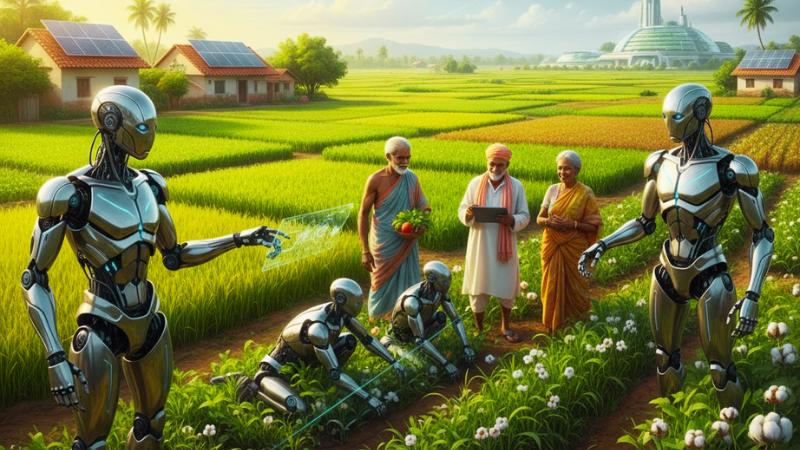
Will Robotics Replace Indian Farmers in Future Smart Agriculture
The world is rapidly evolving, and agriculture is no exception. With the advent of new technologies, particularly robotics and automation, the farming industry is poised for a transformation. In India, a country where agriculture remains the backbone of the economy, the question arises: will robotics replace Indian farmers in the future of smart agriculture? India’s agricultural sector, which employs over 50% of the population, faces numerous challenges such as labor shortages, lo
Will Robotics Replace Indian Farmers in Future Smart Agriculture
The world is rapidly evolving, and agriculture is no exception. With the advent of new technologies, particularly robotics and automation, the farming industry is poised for a transformation. In India, a country where agriculture remains the backbone of the economy, the question arises: will robotics replace Indian farmers in the future of smart agriculture? India’s agricultural sector, which employs over 50% of the population, faces numerous challenges such as labor shortages, lo


