#energysecurity
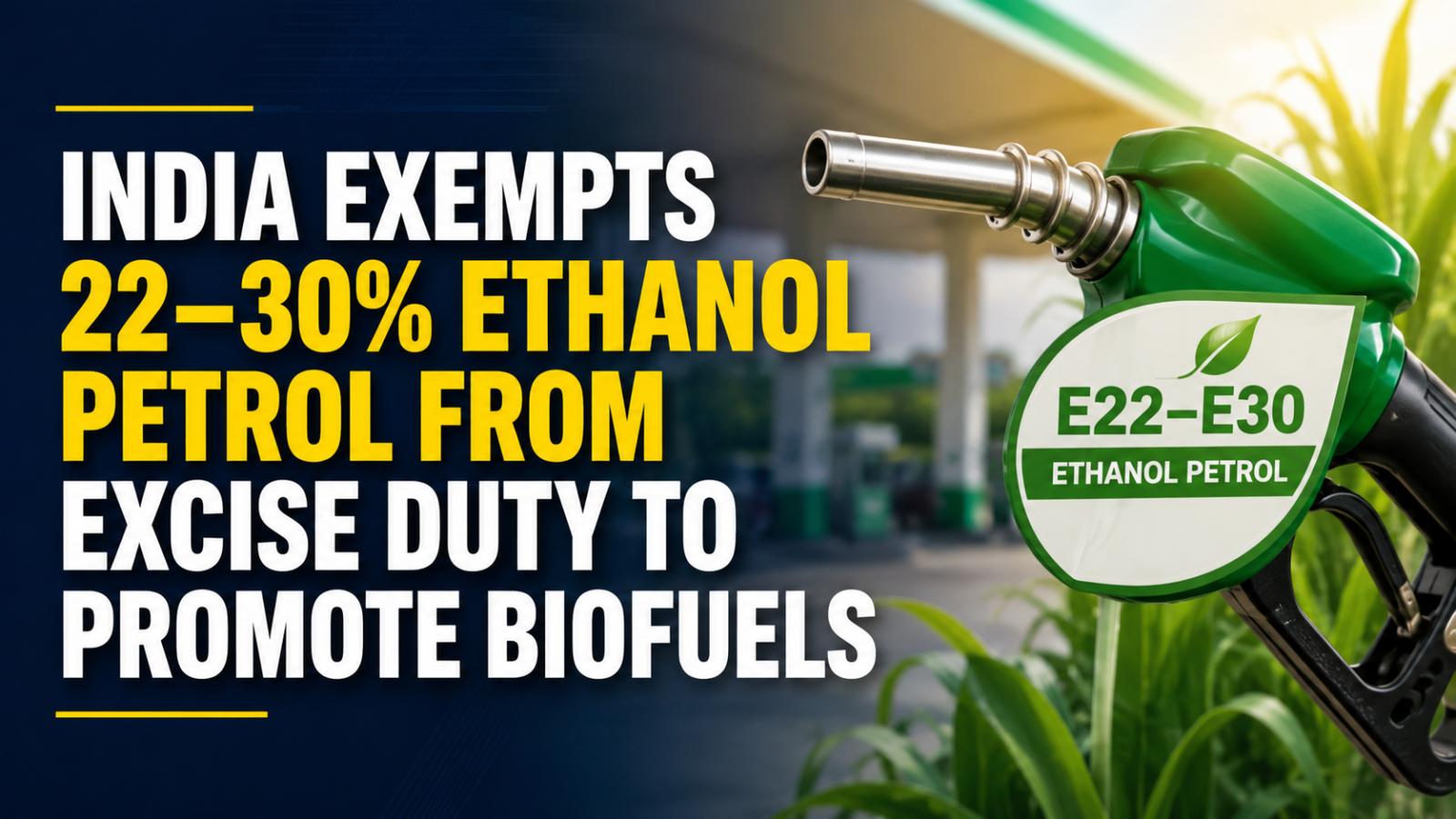
India Exempts 22–30% Ethanol Petrol From Excise Duty To Promote Biofuels
India has exempted petrol blended with 22% to 30% ethanol from central excise duty, giving a major push to the country’s biofuel adoption strategy. The exemption covers higher ethanol fuel blends such as E22, E25 and E30. By reducing the tax burden on these blends, the government aims to make ethanol-rich petrol more attractive for fuel producers, distributors and future consumers while reducing reliance on imported crude oil. Excise Relief For High-Ethano
India Exempts 22–30% Ethanol Petrol From Excise Duty To Promote Biofuels
India has exempted petrol blended with 22% to 30% ethanol from central excise duty, giving a major push to the country’s biofuel adoption strategy. The exemption covers higher ethanol fuel blends such as E22, E25 and E30. By reducing the tax burden on these blends, the government aims to make ethanol-rich petrol more attractive for fuel producers, distributors and future consumers while reducing reliance on imported crude oil. Excise Relief For High-Ethano
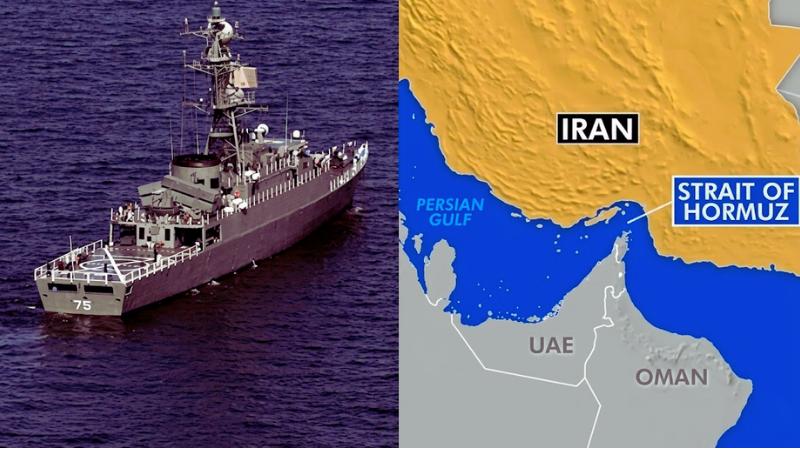
Iran’s Chokepoint Strategy Meets Trump’s Blockade Push: What Comes Next?
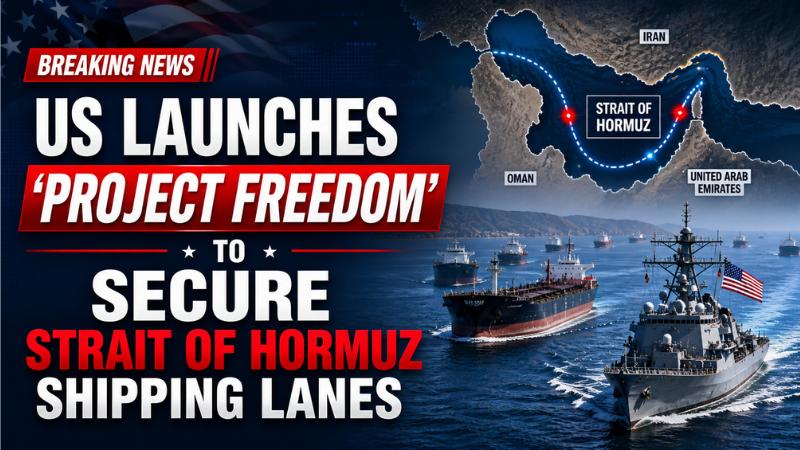
The United States and Iran appear to be heading toward heightened tensions near the Strait of Hormuz
Iran’s Chokepoint Strategy Meets Trump’s Blockade Push: What Comes Next?
The United States and Iran appear to be heading toward heightened tensions near the Strait of Hormuz
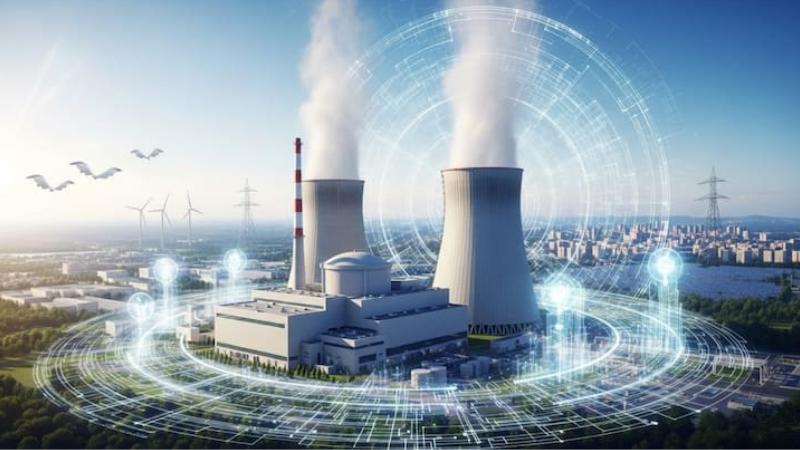
India’s Nuclear Progress Gains Spotlight as US, France Investments Struggle
India has achieved a significant milestone in nuclear technology with the successful criticality of the 500 MWe Prototype Fast Breeder Reactor (PFBR) at Kalpakkam on April 6, 2026. Developed by BHAVINI and
India’s Nuclear Progress Gains Spotlight as US, France Investments Struggle
India has achieved a significant milestone in nuclear technology with the successful criticality of the 500 MWe Prototype Fast Breeder Reactor (PFBR) at Kalpakkam on April 6, 2026. Developed by BHAVINI and
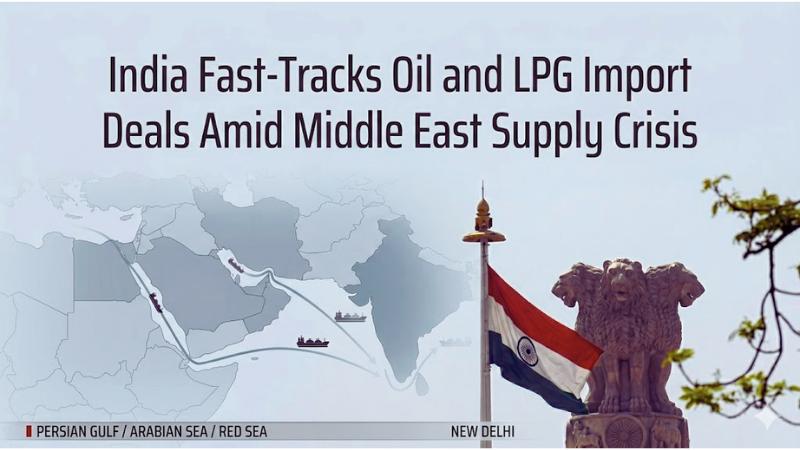
India Fast-Tracks Oil and LPG Import Deals Amid Middle East Supply Crisis
India is accelerating the signing of contracts for crude oil and LPG imports, aiming to diversify its supply sources amidst disruptions caused by the ongoing conflict in the Middle East. The country's need for oil has been rising, with daily imports averaging 5.5 to 6 million barrels. After Russia's oil imports were reduced as part of an agreement with the U.S., India has been exploring new avenues to ensure stable oil supplies, including from Russia, despite the geopolitical tensions.
India Fast-Tracks Oil and LPG Import Deals Amid Middle East Supply Crisis
India is accelerating the signing of contracts for crude oil and LPG imports, aiming to diversify its supply sources amidst disruptions caused by the ongoing conflict in the Middle East. The country's need for oil has been rising, with daily imports averaging 5.5 to 6 million barrels. After Russia's oil imports were reduced as part of an agreement with the U.S., India has been exploring new avenues to ensure stable oil supplies, including from Russia, despite the geopolitical tensions.
India has adequate fuel stocks amid Strait of Hormuz tensions, says govt
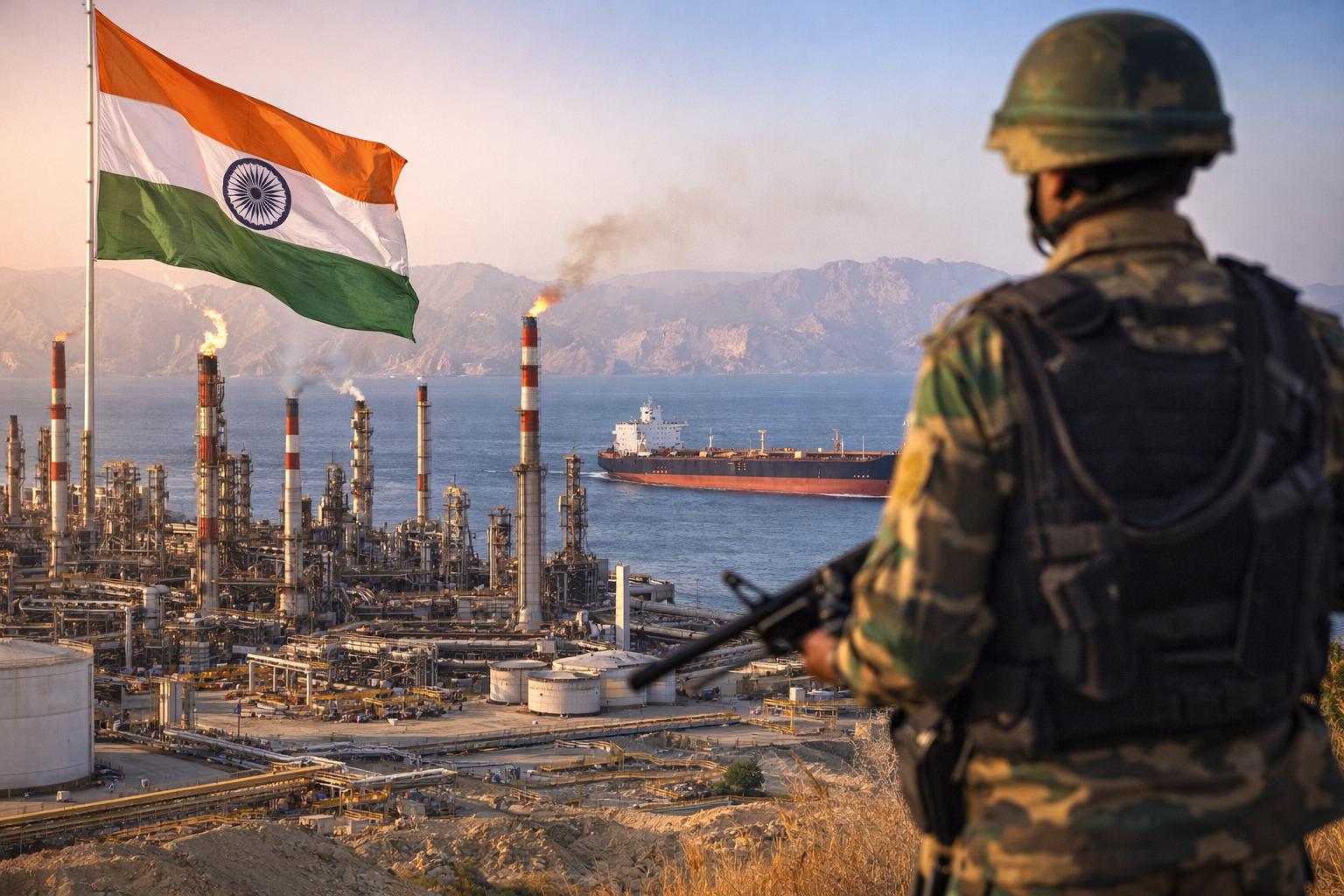
Amid rising geopolitical tensions in West Asia and growing concerns over possible disruptions in the Strait of Hormuz, the government has reassured citizens that India’s oil reserves and fuel supply remain stable. Officials said there is no need for panic buying or hoarding of petrol, diesel or LPG cylinders, as adequate stocks are available to meet domestic demand. According to government sources, India currently maintains around 25 days of crude oil and petroleu
India has adequate fuel stocks amid Strait of Hormuz tensions, says govt
Amid rising geopolitical tensions in West Asia and growing concerns over possible disruptions in the Strait of Hormuz, the government has reassured citizens that India’s oil reserves and fuel supply remain stable. Officials said there is no need for panic buying or hoarding of petrol, diesel or LPG cylinders, as adequate stocks are available to meet domestic demand. According to government sources, India currently maintains around 25 days of crude oil and petroleu
Jaishankar signals historic India-US trade pact to boost exports and jobs
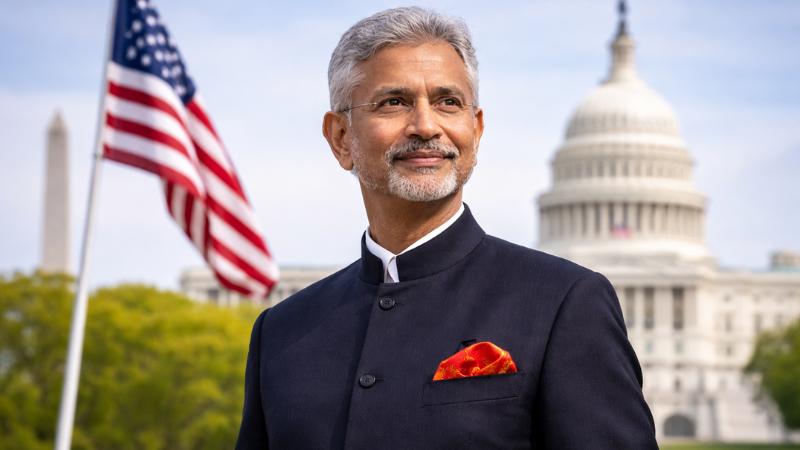
India is on the brink of securing a major economic breakthrough as negotiations with the United States move into the final phase of what officials are calling a historic trade agreement. External Affairs Minister S. Jaishankar has indicated that the remaining details are being worked out and that the deal could be concluded very soon, raising expectations of stronger exports, new investments and deeper strategic cooperation for Indian industry. Speaking at the end of his recent visit to Washington, Jaishankar described the discussions as productive and forward-looking. He held talks with US Secretary of State Marco Rubio and participated in the inaugural Critical Minerals Ministerial, where supply chains, energy security and future technologies were central themes. According to the minister, the proposed trade pact marks the beginning of a new chapter in India-US relations and carries “vast possibilities” for both economies. For Indian businesses, the agreement is expected to deliver tangible benefits. One of the most significant provisions under consideration is a sharp reduction in US tariffs on select Indian goods. Duties that previously stood as high as 50 percent may be lowered to around 18 percent, a move that could make Indian products more competitive in the American market. Exporters in sectors such as manufacturing, engineering goods, electronics and clean energy components are likely to see improved access and better margins. Analysts believe such measures could create new jobs and provide momentum to India’s broader growth strategy. Another key focus of the talks has been cooperation on critical minerals including lithium, cobalt and rare earth elements. These resources are essential for electric vehicles, batteries, semiconductors and renewable energy technologies, areas where India is rapidly expanding its domestic capacity. With global demand for these materials rising sharply, securing reliable and diversified supply chains has become a strategic priority. The United States is seeking trusted partners to reduce dependence on a handful of dominant suppliers, and India’s geological potential and growing industrial base position it as an important collaborator. Jaishankar also expressed support for the Forum on Resource Geostrategic Engagement, or FORGE, an initiative aimed at building resilient mineral partnerships. Participation in such frameworks could help India attract investment, technology transfers and expertise while strengthening its role in global supply networks. Officials say this aligns with the government’s push for self-reliance in high-tech manufacturing and clean energy production. Beyond trade and minerals, the discussions covered defence cooperation, advanced technology, energy projects and broader diplomatic coordination. Observers note that the relationship between New Delhi and Washington has steadily expanded over the past decade, and the current negotiations reflect growing trust and shared strategic interests. The deal is being viewed not only as an economic arrangement but also as a step toward reinforcing India’s global standing. While final terms are yet to be formally announced, the optimism surrounding the talks suggests that both sides are keen to move quickly. If concluded as expected, the agreement could serve as a milestone for India’s trade policy, opening new markets and strengthening its position in global supply chains. For Indian viewers and businesses alike, the prospective pact represents an opportunity to accelerate growth, enhance competitiveness and deepen one of the country’s most important international partnerships.

Jaishankar signals historic India-US trade pact to boost exports and jobs
India is on the brink of securing a major economic breakthrough as negotiations with the United States move into the final phase of what officials are calling a historic trade agreement. External Affairs Minister S. Jaishankar has indicated that the remaining details are being worked out and that the deal could be concluded very soon, raising expectations of stronger exports, new investments and deeper strategic cooperation for Indian industry. Speaking at the end of his recent visit to Washington, Jaishankar described the discussions as productive and forward-looking. He held talks with US Secretary of State Marco Rubio and participated in the inaugural Critical Minerals Ministerial, where supply chains, energy security and future technologies were central themes. According to the minister, the proposed trade pact marks the beginning of a new chapter in India-US relations and carries “vast possibilities” for both economies. For Indian businesses, the agreement is expected to deliver tangible benefits. One of the most significant provisions under consideration is a sharp reduction in US tariffs on select Indian goods. Duties that previously stood as high as 50 percent may be lowered to around 18 percent, a move that could make Indian products more competitive in the American market. Exporters in sectors such as manufacturing, engineering goods, electronics and clean energy components are likely to see improved access and better margins. Analysts believe such measures could create new jobs and provide momentum to India’s broader growth strategy. Another key focus of the talks has been cooperation on critical minerals including lithium, cobalt and rare earth elements. These resources are essential for electric vehicles, batteries, semiconductors and renewable energy technologies, areas where India is rapidly expanding its domestic capacity. With global demand for these materials rising sharply, securing reliable and diversified supply chains has become a strategic priority. The United States is seeking trusted partners to reduce dependence on a handful of dominant suppliers, and India’s geological potential and growing industrial base position it as an important collaborator. Jaishankar also expressed support for the Forum on Resource Geostrategic Engagement, or FORGE, an initiative aimed at building resilient mineral partnerships. Participation in such frameworks could help India attract investment, technology transfers and expertise while strengthening its role in global supply networks. Officials say this aligns with the government’s push for self-reliance in high-tech manufacturing and clean energy production. Beyond trade and minerals, the discussions covered defence cooperation, advanced technology, energy projects and broader diplomatic coordination. Observers note that the relationship between New Delhi and Washington has steadily expanded over the past decade, and the current negotiations reflect growing trust and shared strategic interests. The deal is being viewed not only as an economic arrangement but also as a step toward reinforcing India’s global standing. While final terms are yet to be formally announced, the optimism surrounding the talks suggests that both sides are keen to move quickly. If concluded as expected, the agreement could serve as a milestone for India’s trade policy, opening new markets and strengthening its position in global supply chains. For Indian viewers and businesses alike, the prospective pact represents an opportunity to accelerate growth, enhance competitiveness and deepen one of the country’s most important international partnerships.
Kremlin questions India’s Russian oil halt claim after new U.S. trade agreement
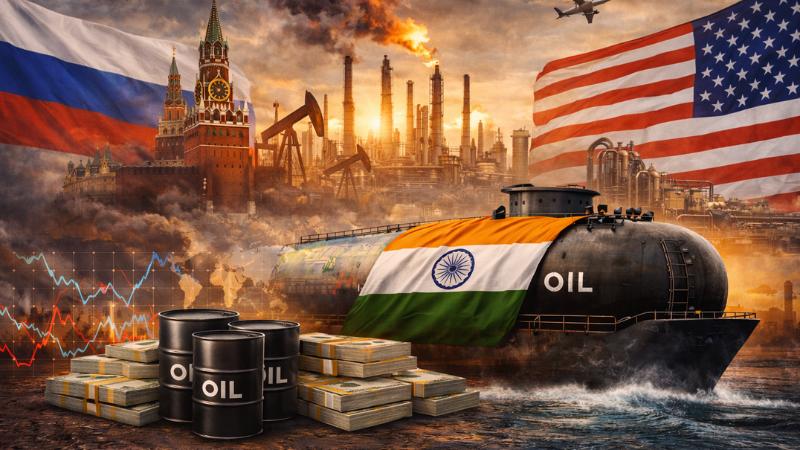
Russia has said it has not received any formal communication from India indicating that the country plans to stop purchasing Russian oil, casting doubt on recent claims by U.S. President Donald Trump that New Delhi had agreed to halt such imports as part of a new trade agreement with Washington. Kremlin spokesperson Dmitry Peskov stated that Moscow has yet to hear any official statement from the Indian government suggesting that energy flows between the two countries are being curtail
Kremlin questions India’s Russian oil halt claim after new U.S. trade agreement
Russia has said it has not received any formal communication from India indicating that the country plans to stop purchasing Russian oil, casting doubt on recent claims by U.S. President Donald Trump that New Delhi had agreed to halt such imports as part of a new trade agreement with Washington. Kremlin spokesperson Dmitry Peskov stated that Moscow has yet to hear any official statement from the Indian government suggesting that energy flows between the two countries are being curtail
Trump and Xi hold key talks on trade and security amid shifting global order
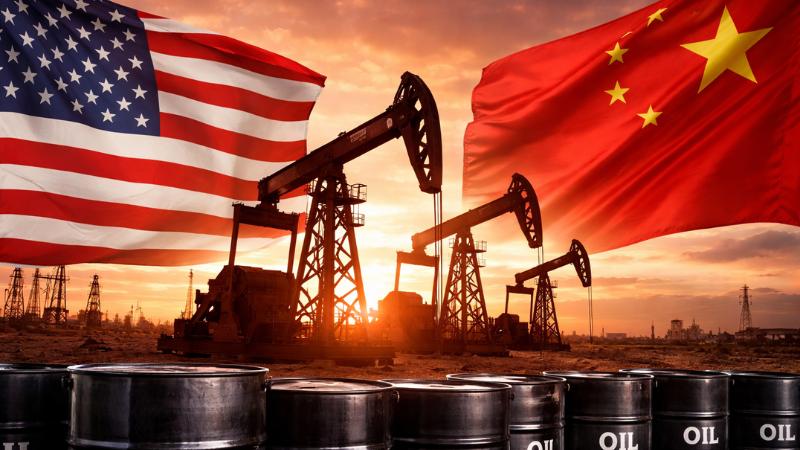
United States President Donald Trump and Chinese President Xi Jinping held an extensive telephone conversation on Wednesday, discussing a wide range of economic and geopolitical issues that could influence global trade flows, energy markets, and strategic stability across Asia, developments closely watched in India and other emerging economies. Sharing details of the exchange on his social media platform, Trump described the interaction as “excellent” and said the leaders engage
Trump and Xi hold key talks on trade and security amid shifting global order
United States President Donald Trump and Chinese President Xi Jinping held an extensive telephone conversation on Wednesday, discussing a wide range of economic and geopolitical issues that could influence global trade flows, energy markets, and strategic stability across Asia, developments closely watched in India and other emerging economies. Sharing details of the exchange on his social media platform, Trump described the interaction as “excellent” and said the leaders engage