






Andhra Pradesh Launches Hanuman Project to Mitigate Human-Wildlife Conflict
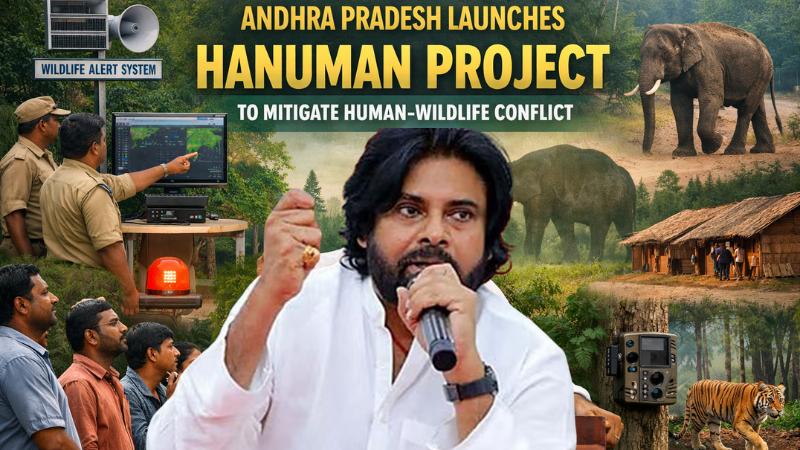
Andhra Pradesh has taken a significant step toward reducing human-wildlife conflicts with the launch of the ‘Hanuman’ Project, an initiative aimed at improving wildlife protection while ensuring public safety. The announcement came from Deputy Chief Minister Pawan Kalyan on March 3, 2026, during an event held in Mangalagiri. The new project, which addresses ongoing issues with elephants and other wildlife in the state, promises to enhance safety measures for both people and animals in the
Andhra Pradesh Launches Hanuman Project to Mitigate Human-Wildlife Conflict
Andhra Pradesh has taken a significant step toward reducing human-wildlife conflicts with the launch of the ‘Hanuman’ Project, an initiative aimed at improving wildlife protection while ensuring public safety. The announcement came from Deputy Chief Minister Pawan Kalyan on March 3, 2026, during an event held in Mangalagiri. The new project, which addresses ongoing issues with elephants and other wildlife in the state, promises to enhance safety measures for both people and animals in the

NRI Parents and the Evolving Concept of Marriage: Bridging Cultural Gaps
The Cultural Divide: Traditional Values vs. Modern Lifestyles One of the main challenges NRI parents face in arranging marriages for their children is reconciling the cultural expectations of marriage with the increasingly liberal, Westernized lifestyles of their children. Many NRI children, especially those born or raised abroad, prioritize love and personal choice over the traditional approach of arranged marriages. Parents, who a
NRI Parents and the Evolving Concept of Marriage: Bridging Cultural Gaps
The Cultural Divide: Traditional Values vs. Modern Lifestyles One of the main challenges NRI parents face in arranging marriages for their children is reconciling the cultural expectations of marriage with the increasingly liberal, Westernized lifestyles of their children. Many NRI children, especially those born or raised abroad, prioritize love and personal choice over the traditional approach of arranged marriages. Parents, who a
Vizag’s V-PULL Wins $1M in Mayors Challenge Competition
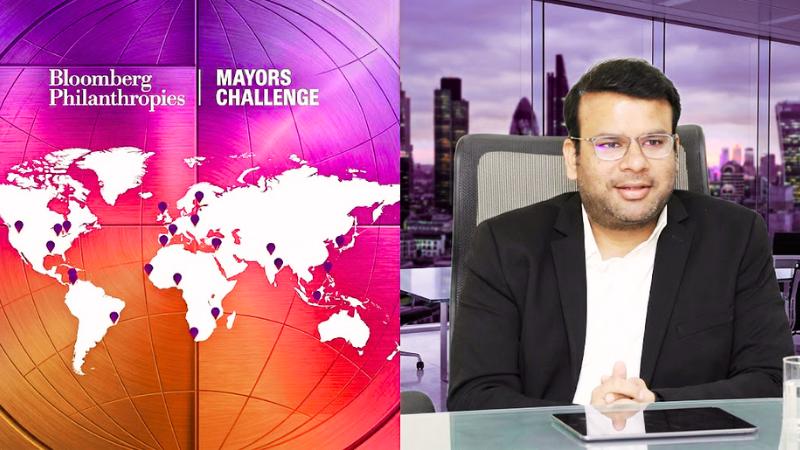
Visakhapatnam has reached a significant milestone by securing a USD 1 million grant in the 2025–2026 Bloomberg Philanthropies Mayors Challenge, a highly regarded international competition. Chosen from over 630 cities globally, this award acknowledges the city’s citizen-led climate resilience initiative, the Vizag–Prajamukhi Urban Living Lab (V-PULL). The V-PULL initiative, spearheaded by the Greater Visakhapatnam Municipal Corporation (GVMC), focuses on enhancing resilience ag
Vizag’s V-PULL Wins $1M in Mayors Challenge Competition
Visakhapatnam has reached a significant milestone by securing a USD 1 million grant in the 2025–2026 Bloomberg Philanthropies Mayors Challenge, a highly regarded international competition. Chosen from over 630 cities globally, this award acknowledges the city’s citizen-led climate resilience initiative, the Vizag–Prajamukhi Urban Living Lab (V-PULL). The V-PULL initiative, spearheaded by the Greater Visakhapatnam Municipal Corporation (GVMC), focuses on enhancing resilience ag

Key Legal and Compliance Factors When Buying Property from an NRI
When buying property from a Non-Resident Indian (NRI), one of the key aspects that differentiates it from typical real estate transactions is the Tax Deducted at Source (TDS) under Section 195 of the Income Tax Act. While Indian residents are subject to a 1% TDS on property transactions above ₹50 lakh, the TDS rate increases significantly for property sales involving an NRI seller. The buyer must deduct TDS at rates starting from 20% and deposit it with the Indian income tax authorities. A
Key Legal and Compliance Factors When Buying Property from an NRI
When buying property from a Non-Resident Indian (NRI), one of the key aspects that differentiates it from typical real estate transactions is the Tax Deducted at Source (TDS) under Section 195 of the Income Tax Act. While Indian residents are subject to a 1% TDS on property transactions above ₹50 lakh, the TDS rate increases significantly for property sales involving an NRI seller. The buyer must deduct TDS at rates starting from 20% and deposit it with the Indian income tax authorities. A

Why Indian Insurance Is the Best Option for NRIs: Affordable, Tax-Efficient, and Convenient
For Non-Resident Indians (NRIs), purchasing health and term insurance in India presents an attractive option due to affordable premiums and extensive coverage. Indian insurance companies offer plans that are often more economical than those available in foreign countries, making them an ideal choice for NRIs who want to protect their families back home without overburdening their finances. These policies are customized to suit the needs of Indian families, offering high coverage at a fraction
Why Indian Insurance Is the Best Option for NRIs: Affordable, Tax-Efficient, and Convenient
For Non-Resident Indians (NRIs), purchasing health and term insurance in India presents an attractive option due to affordable premiums and extensive coverage. Indian insurance companies offer plans that are often more economical than those available in foreign countries, making them an ideal choice for NRIs who want to protect their families back home without overburdening their finances. These policies are customized to suit the needs of Indian families, offering high coverage at a fraction
Delhi Excise Policy Case: Arvind Kejriwal, Manish Sisodia Receive Court Relief
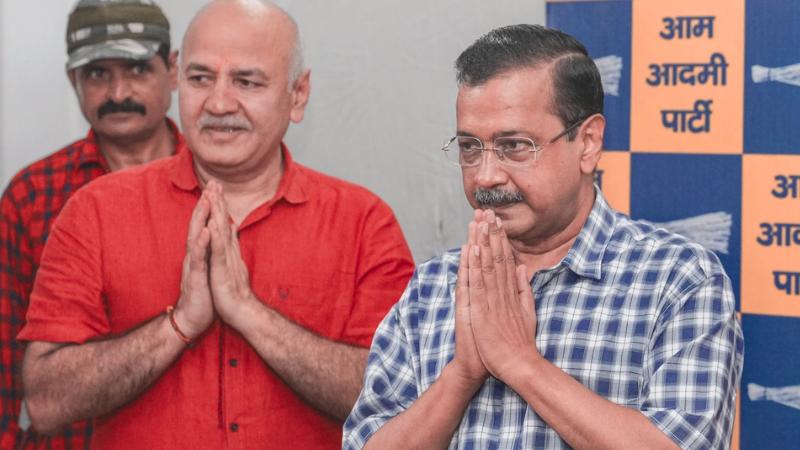
In a significant legal development, Delhi Chief Minister Arvind Kejriwal and former Deputy Chief Minister Manish Sisodia have been discharged from the controversial Delhi excise policy case. A Delhi court ruled that the Central Bureau of Investigation (CBI) had failed to present substantial evidence to support the serious charges against the two leaders, effectively clearing them of the allegations. The court's decision highlighted the absence of material evidence to support the claim that Kejriwal played a central role in the alleged corruption surrounding the excise policy. The judge emphasized that such serious accusations, especially involving a prominent figure like the Chief Minister, required solid, verifiable evidence. Without this, the prosecution's claims could not be sustained. The court further noted that accepting unproven allegations could erode public trust in the office of the Chief Minister and in the political process as a whole. Manish Sisodia was also discharged by the court, which found that the prosecution's case did not hold up under judicial scrutiny. There was no evidence suggesting criminal intent on his part. The documents and statements related to the formulation of the excise policy were primarily administrative in nature and did not point to corruption or wrongdoing, weakening the prosecution's narrative. The prosecution’s conspiracy theory, which alleged an overarching plot involving both Kejriwal and Sisodia, was found to be lacking. The court identified internal contradictions within the claims and concluded that the policy formulation process had involved consultations at various government levels and institutional deliberations, none of which indicated illicit activity. This breakdown further undermined the prosecution's case. The court's ruling marks a major setback for the prosecution, underscoring the challenges in proving political and administrative corruption cases when key allegations lack corroborated evidence. The acquittals of Kejriwal and Sisodia raise questions about the strength of charges against political figures and the use of public office in such investigations. For Arvind Kejriwal, the discharge clears his name in this high-profile case, which has attracted significant attention from both political observers and the public. Kejriwal has long argued that the case against him was politically motivated, aimed at damaging the Aam Aadmi Party’s (AAP) image ahead of elections. This ruling could prove to be a pivotal moment in his political career, potentially strengthening his position as a leader who has been unjustly targeted.
Delhi Excise Policy Case: Arvind Kejriwal, Manish Sisodia Receive Court Relief
In a significant legal development, Delhi Chief Minister Arvind Kejriwal and former Deputy Chief Minister Manish Sisodia have been discharged from the controversial Delhi excise policy case. A Delhi court ruled that the Central Bureau of Investigation (CBI) had failed to present substantial evidence to support the serious charges against the two leaders, effectively clearing them of the allegations. The court's decision highlighted the absence of material evidence to support the claim that Kejriwal played a central role in the alleged corruption surrounding the excise policy. The judge emphasized that such serious accusations, especially involving a prominent figure like the Chief Minister, required solid, verifiable evidence. Without this, the prosecution's claims could not be sustained. The court further noted that accepting unproven allegations could erode public trust in the office of the Chief Minister and in the political process as a whole. Manish Sisodia was also discharged by the court, which found that the prosecution's case did not hold up under judicial scrutiny. There was no evidence suggesting criminal intent on his part. The documents and statements related to the formulation of the excise policy were primarily administrative in nature and did not point to corruption or wrongdoing, weakening the prosecution's narrative. The prosecution’s conspiracy theory, which alleged an overarching plot involving both Kejriwal and Sisodia, was found to be lacking. The court identified internal contradictions within the claims and concluded that the policy formulation process had involved consultations at various government levels and institutional deliberations, none of which indicated illicit activity. This breakdown further undermined the prosecution's case. The court's ruling marks a major setback for the prosecution, underscoring the challenges in proving political and administrative corruption cases when key allegations lack corroborated evidence. The acquittals of Kejriwal and Sisodia raise questions about the strength of charges against political figures and the use of public office in such investigations. For Arvind Kejriwal, the discharge clears his name in this high-profile case, which has attracted significant attention from both political observers and the public. Kejriwal has long argued that the case against him was politically motivated, aimed at damaging the Aam Aadmi Party’s (AAP) image ahead of elections. This ruling could prove to be a pivotal moment in his political career, potentially strengthening his position as a leader who has been unjustly targeted.

Understanding RBI's Impact on Offshore Gifting and NRI Transactions
The Reserve Bank of India (RBI) has recently imposed stricter regulations on offshore gifting, particularly for affluent Indian families sending substantial financial gifts to their children living abroad. These gifts are often used to support various needs, such as education, property purchases, or immigration investments, such as the U.S. EB-5 visa program. While the practice of offshore gifting has grown in popularity, the RBI has increased scrutiny, especially when these transactions invo
Understanding RBI's Impact on Offshore Gifting and NRI Transactions
The Reserve Bank of India (RBI) has recently imposed stricter regulations on offshore gifting, particularly for affluent Indian families sending substantial financial gifts to their children living abroad. These gifts are often used to support various needs, such as education, property purchases, or immigration investments, such as the U.S. EB-5 visa program. While the practice of offshore gifting has grown in popularity, the RBI has increased scrutiny, especially when these transactions invo
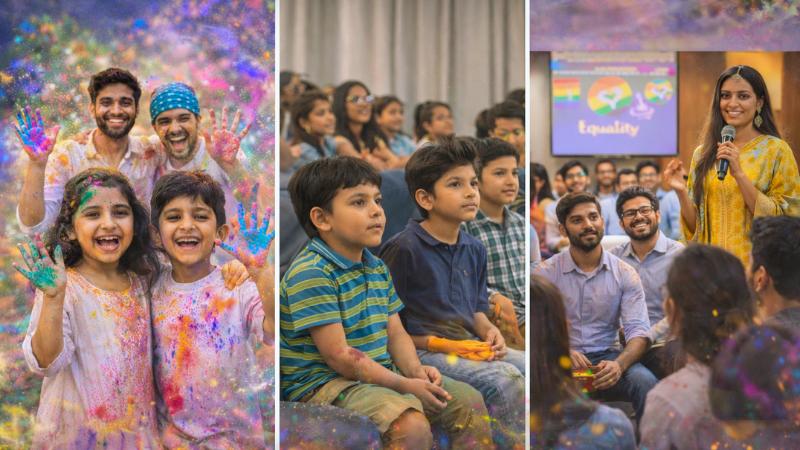
Fusion of Tradition and Modernity: The Role of Young Indian-Americans in Cultural Evolution
Young Indian-Americans, particularly second-generation NRIs, are spearheading a cultural revolution in the United States. Born or raised in the U.S., these youth are reinterpreting Indian culture through a fusion of traditional and contemporary influences. While their parents often maintained strong ties to Indian traditions, younger NRIs are creating a unique identity that blends Indian values with modern societal norms. This transformation is especially visible in the way they celebrate Indian festivals, such as Diwali and Holi, with modern twists that incorporate technology, fusion dance, and bilingual emceeing, making these celebrations more inclusive for people from diverse backgrounds. Culinary innovation is another domain where these youth are making a significant impact. Traditional Indian recipes are being adapted to modern tastes and dietary preferences. Vegan butter chicken, quinoa upma, and air-fried samosas are just a few examples of how young Indian-Americans are staying connected to their roots while promoting sustainability and healthy eating. Cooking has become a way to tell stories and pass down traditions, albeit in a contemporary context, as second-generation NRIs experiment with ingredients and cooking methods that resonate with their modern lifestyles. Language plays a crucial role in the ongoing cultural evolution. Though many second-generation NRIs might not be fluent in their parents' native languages, they still embrace key cultural phrases and expressions. Some are actively learning their ancestral languages through digital tools or community programs, ensuring that the connection to their linguistic heritage remains strong. This linguistic blend of old and new is reinforced by films, storytelling, and social media, which serve as essential tools for maintaining cultural ties in a fast-paced, interconnected world. Perhaps the most profound shift lies in how second-generation NRIs are challenging long-held cultural taboos. Issues like gender equality, mental health and interfaith relationships are now being addressed more openly and inclusively. While the previous generation might have shied away from these conversations due to cultural and social constraints, today's youth are breaking barriers and engaging in these discussions with a fresh perspective. Their willingness to confront such topics reflects a broader, more inclusive view of identity that blends both Indian cultural values and Western ideals of self-expression, freedom, and equality. This transformation is shaping the way they define themselves and their relationships, emphasizing the importance of personal choice, respect for diversity, and social justice. Through this evolving dialogue, second-generation NRIs are not only redefining their cultural identity but also influencing how future generations will approach these critical issues within both their communities and the broader global context.
Fusion of Tradition and Modernity: The Role of Young Indian-Americans in Cultural Evolution
Young Indian-Americans, particularly second-generation NRIs, are spearheading a cultural revolution in the United States. Born or raised in the U.S., these youth are reinterpreting Indian culture through a fusion of traditional and contemporary influences. While their parents often maintained strong ties to Indian traditions, younger NRIs are creating a unique identity that blends Indian values with modern societal norms. This transformation is especially visible in the way they celebrate Indian festivals, such as Diwali and Holi, with modern twists that incorporate technology, fusion dance, and bilingual emceeing, making these celebrations more inclusive for people from diverse backgrounds. Culinary innovation is another domain where these youth are making a significant impact. Traditional Indian recipes are being adapted to modern tastes and dietary preferences. Vegan butter chicken, quinoa upma, and air-fried samosas are just a few examples of how young Indian-Americans are staying connected to their roots while promoting sustainability and healthy eating. Cooking has become a way to tell stories and pass down traditions, albeit in a contemporary context, as second-generation NRIs experiment with ingredients and cooking methods that resonate with their modern lifestyles. Language plays a crucial role in the ongoing cultural evolution. Though many second-generation NRIs might not be fluent in their parents' native languages, they still embrace key cultural phrases and expressions. Some are actively learning their ancestral languages through digital tools or community programs, ensuring that the connection to their linguistic heritage remains strong. This linguistic blend of old and new is reinforced by films, storytelling, and social media, which serve as essential tools for maintaining cultural ties in a fast-paced, interconnected world. Perhaps the most profound shift lies in how second-generation NRIs are challenging long-held cultural taboos. Issues like gender equality, mental health and interfaith relationships are now being addressed more openly and inclusively. While the previous generation might have shied away from these conversations due to cultural and social constraints, today's youth are breaking barriers and engaging in these discussions with a fresh perspective. Their willingness to confront such topics reflects a broader, more inclusive view of identity that blends both Indian cultural values and Western ideals of self-expression, freedom, and equality. This transformation is shaping the way they define themselves and their relationships, emphasizing the importance of personal choice, respect for diversity, and social justice. Through this evolving dialogue, second-generation NRIs are not only redefining their cultural identity but also influencing how future generations will approach these critical issues within both their communities and the broader global context.

RBI Steps in as Banks Scale Back JPY-linked Special Deposits for NRIs
Mumbai's financial landscape has seen significant changes as the Reserve Bank of India (RBI) takes action on JPY-linked special deposits. Once a popular tool for attracting NRI funds, these deposits were marketed as premium rupee plans (PRPs), offering high returns by leveraging the forward premium on the Japanese yen. Banks, like IndusInd Bank and Yes Bank, had been using these products to attract NRI deposits by offering high yields based on the yen's forward premium in the foreign exchange
RBI Steps in as Banks Scale Back JPY-linked Special Deposits for NRIs
Mumbai's financial landscape has seen significant changes as the Reserve Bank of India (RBI) takes action on JPY-linked special deposits. Once a popular tool for attracting NRI funds, these deposits were marketed as premium rupee plans (PRPs), offering high returns by leveraging the forward premium on the Japanese yen. Banks, like IndusInd Bank and Yes Bank, had been using these products to attract NRI deposits by offering high yields based on the yen's forward premium in the foreign exchange
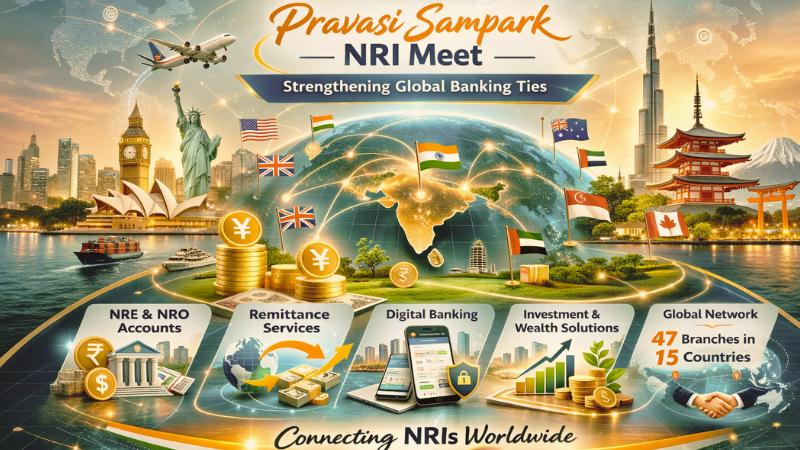
Bank of India’s Pravasi Sampark NRI Meet: Strengthening Global Banking Ties
Bank of India recently hosted an NRI Meet, “Pravasi Sampark,” in Mumbai’s North Zone, designed to enhance its engagement with the Non-Resident Indian (NRI) community. This initiative is part of the bank’s ongoing strategy to provide customer-centric financial services, catering to the evolving needs of NRIs, including banking, investment, and remittance solutions. The event highlighted the bank’s commitment to strengthening long-term relationships with global Indians by leveraging a
Bank of India’s Pravasi Sampark NRI Meet: Strengthening Global Banking Ties
Bank of India recently hosted an NRI Meet, “Pravasi Sampark,” in Mumbai’s North Zone, designed to enhance its engagement with the Non-Resident Indian (NRI) community. This initiative is part of the bank’s ongoing strategy to provide customer-centric financial services, catering to the evolving needs of NRIs, including banking, investment, and remittance solutions. The event highlighted the bank’s commitment to strengthening long-term relationships with global Indians by leveraging a
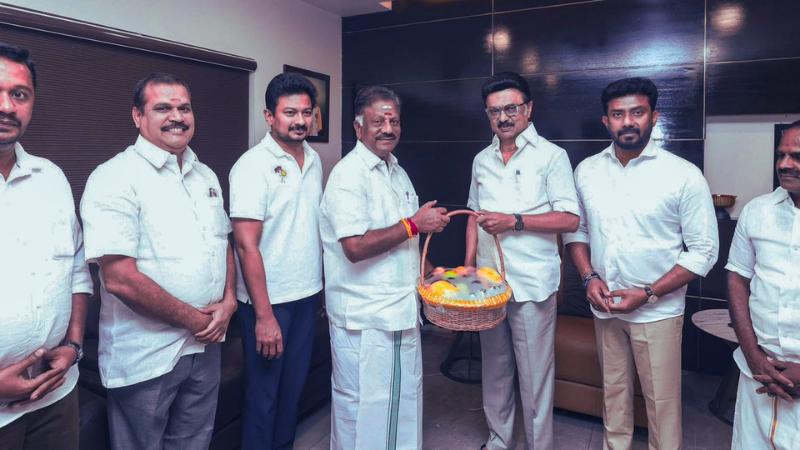
O Panneerselvam Joins DMK, Marking Major Shift in Tamil Nadu Politics
In a significant political development ahead of the 2026 Tamil Nadu Assembly elections, O Panneerselvam (OPS), former Chief Minister of Tamil Nadu and a long-time leader of the AIADMK, has joined the Dravida Munnetra Kazhagam (DMK). This marks the end of a bitter internal feud within the AIADMK and is set to reshape the state's political dynamics. Panneerselvam’s shift to the ruling DMK is likely to weaken AIADMK's influence, particularly in the southern regions, by dividing the Thevar vote base, which has historically been a key support group for the party. Panneerselvam, who was once a loyalist of AIADMK’s late leader J Jayalalithaa, served multiple terms as Chief Minister of Tamil Nadu. However, following Jayalalithaa's death in 2016, a fierce power struggle broke out within the party, with Panneerselvam and Edappadi K Palaniswami (EPS) becoming rivals. This feud eventually led to a split in the party, and Panneerselvam, who had been sidelined in recent years, was eventually expelled. Despite attempts to remain politically relevant by forming a faction and running independent campaigns, his efforts failed to gain significant traction. Panneerselvam’s decision to join the DMK under the leadership of Chief Minister MK Stalin is seen as a strategic move to strengthen the DMK's presence in southern Tamil Nadu, where he has significant influence. In his address, Panneerselvam sharply criticized EPS’s leadership, accusing him of arrogance and dictatorial practices. By joining the ruling party, Panneerselvam could attract disillusioned cadres from AIADMK, further destabilizing the already fragmented support base of his former party. For the DMK, OPS’s entry offers a major opportunity to consolidate support, particularly among Thevar voters, a traditionally influential constituency. Panneerselvam’s political stature and his past loyalty to Jayalalithaa, combined with his established presence in Tamil Nadu politics, add significant weight to the DMK’s bid for re-election in 2026. His move could help the party solidify its position in the southern regions, which will be crucial for securing a second consecutive term in power. The decision has drawn sharp reactions from the BJP, with Tamilisai Soundararajan, the BJP’s Tamil Nadu leader, accusing Panneerselvam of being ungrateful for abandoning his previous allies. BJP critics argue that OPS has undermined his past association with AIADMK and the BJP, while DMK supporters view this as a critical political realignment that could shift the electoral balance in favor of the ruling party.
O Panneerselvam Joins DMK, Marking Major Shift in Tamil Nadu Politics
In a significant political development ahead of the 2026 Tamil Nadu Assembly elections, O Panneerselvam (OPS), former Chief Minister of Tamil Nadu and a long-time leader of the AIADMK, has joined the Dravida Munnetra Kazhagam (DMK). This marks the end of a bitter internal feud within the AIADMK and is set to reshape the state's political dynamics. Panneerselvam’s shift to the ruling DMK is likely to weaken AIADMK's influence, particularly in the southern regions, by dividing the Thevar vote base, which has historically been a key support group for the party. Panneerselvam, who was once a loyalist of AIADMK’s late leader J Jayalalithaa, served multiple terms as Chief Minister of Tamil Nadu. However, following Jayalalithaa's death in 2016, a fierce power struggle broke out within the party, with Panneerselvam and Edappadi K Palaniswami (EPS) becoming rivals. This feud eventually led to a split in the party, and Panneerselvam, who had been sidelined in recent years, was eventually expelled. Despite attempts to remain politically relevant by forming a faction and running independent campaigns, his efforts failed to gain significant traction. Panneerselvam’s decision to join the DMK under the leadership of Chief Minister MK Stalin is seen as a strategic move to strengthen the DMK's presence in southern Tamil Nadu, where he has significant influence. In his address, Panneerselvam sharply criticized EPS’s leadership, accusing him of arrogance and dictatorial practices. By joining the ruling party, Panneerselvam could attract disillusioned cadres from AIADMK, further destabilizing the already fragmented support base of his former party. For the DMK, OPS’s entry offers a major opportunity to consolidate support, particularly among Thevar voters, a traditionally influential constituency. Panneerselvam’s political stature and his past loyalty to Jayalalithaa, combined with his established presence in Tamil Nadu politics, add significant weight to the DMK’s bid for re-election in 2026. His move could help the party solidify its position in the southern regions, which will be crucial for securing a second consecutive term in power. The decision has drawn sharp reactions from the BJP, with Tamilisai Soundararajan, the BJP’s Tamil Nadu leader, accusing Panneerselvam of being ungrateful for abandoning his previous allies. BJP critics argue that OPS has undermined his past association with AIADMK and the BJP, while DMK supporters view this as a critical political realignment that could shift the electoral balance in favor of the ruling party.
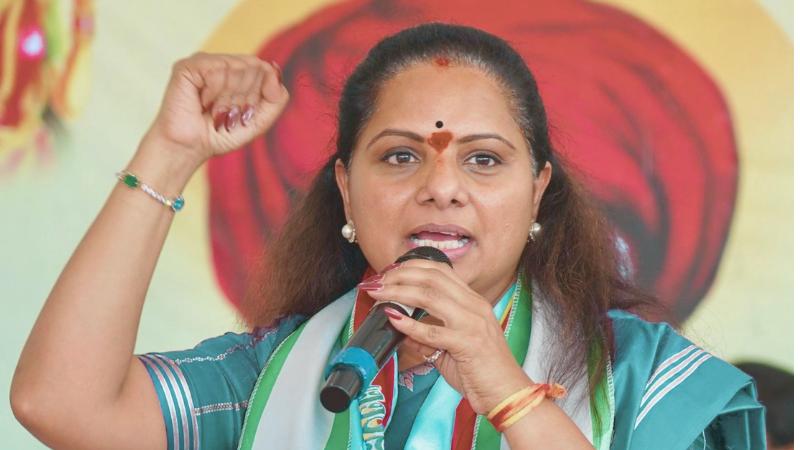
Kavitha Gets Clean Chit in Liquor Scam Investigation
Kalvakuntla Kavitha, once labeled the "Lady in Liquor Scam" during the Delhi liquor scam controversy, has been acquitted by the CBI court in Delhi. The court cleared her of all charges, citing a lack of evidence in the case. The allegations against Kavitha had sparked months of intense political scrutiny and legal battles. At one point, the Bharat Rashtra Samithi (BRS) party took action and removed her from her position within the party amidst the ongoing legal concerns. Despite the serious p
Kavitha Gets Clean Chit in Liquor Scam Investigation
Kalvakuntla Kavitha, once labeled the "Lady in Liquor Scam" during the Delhi liquor scam controversy, has been acquitted by the CBI court in Delhi. The court cleared her of all charges, citing a lack of evidence in the case. The allegations against Kavitha had sparked months of intense political scrutiny and legal battles. At one point, the Bharat Rashtra Samithi (BRS) party took action and removed her from her position within the party amidst the ongoing legal concerns. Despite the serious p
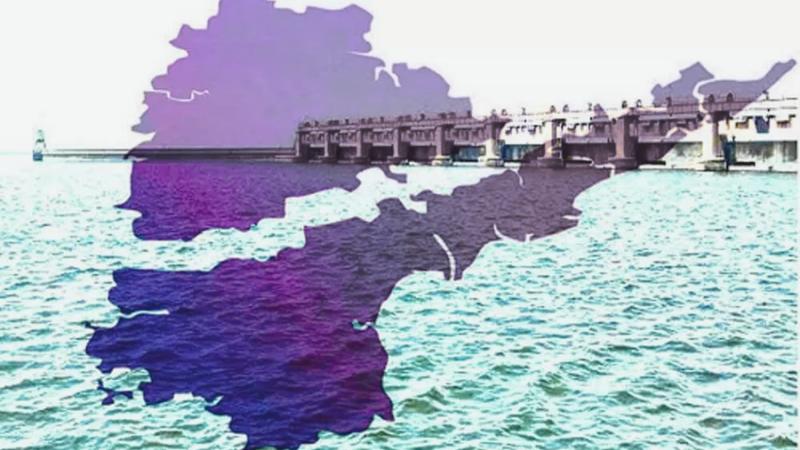
Naidu Urges Collaborative Efforts to Resolve Telangana–Andhra Water Sharing Dispute
Water sharing between Andhra Pradesh (AP) and Telangana has once again become a hot topic of public discussion, especially when fluctuating reservoir levels or unpredictable rainfall patterns heighten concerns. While the debate often takes on a political tone, causing confusion among farmers and the public, the real issue lies in ensuring stable and equitable access to this shared natural resource. AP Chief Minister N. Chandrababu Naidu has been consistently highlighting the importance of efficient water management and cooperation between the two states. His approach emphasizes administrative clarity, scientific planning, and mutual coordination rather than conflict. Naidu advocates for transparency in data and clear communication between the irrigation departments of both states to avoid misunderstandings and reduce political tensions. Naidu’s stance is straightforward: improved water resource management, such as sharing transparent data on river inflows and disciplined reservoir management, can help both states avoid unnecessary disputes. This strategy depends on the exchange of real-time information on shared river systems like the Krishna and Godavari, which support agriculture, drinking water supply, and industries in both regions. Central to this approach is the modernization of irrigation infrastructure, particularly canal systems, to minimize water loss and ensure fair distribution to farmers, particularly those at the end of irrigation networks. Managing these resources effectively requires both timely updates and long-term planning to meet the needs of farmers in both states. One of the major challenges to water sharing is climate variability. With rainfall patterns becoming increasingly unpredictable, careful planning for both drought and surplus conditions is essential. This requires coordinated efforts, ensuring both states are prepared for any situation. Building public confidence hinges on governments engaging in open dialogue and using verified data to inform decisions. While political debate will always be part of the democratic process, water security depends on stability, foresight, and cooperation. Naidu believes that prioritizing collaboration between AP and Telangana will help protect the interests of farmers and citizens, ensuring that natural resources are managed fairly and efficiently.
Naidu Urges Collaborative Efforts to Resolve Telangana–Andhra Water Sharing Dispute
Water sharing between Andhra Pradesh (AP) and Telangana has once again become a hot topic of public discussion, especially when fluctuating reservoir levels or unpredictable rainfall patterns heighten concerns. While the debate often takes on a political tone, causing confusion among farmers and the public, the real issue lies in ensuring stable and equitable access to this shared natural resource. AP Chief Minister N. Chandrababu Naidu has been consistently highlighting the importance of efficient water management and cooperation between the two states. His approach emphasizes administrative clarity, scientific planning, and mutual coordination rather than conflict. Naidu advocates for transparency in data and clear communication between the irrigation departments of both states to avoid misunderstandings and reduce political tensions. Naidu’s stance is straightforward: improved water resource management, such as sharing transparent data on river inflows and disciplined reservoir management, can help both states avoid unnecessary disputes. This strategy depends on the exchange of real-time information on shared river systems like the Krishna and Godavari, which support agriculture, drinking water supply, and industries in both regions. Central to this approach is the modernization of irrigation infrastructure, particularly canal systems, to minimize water loss and ensure fair distribution to farmers, particularly those at the end of irrigation networks. Managing these resources effectively requires both timely updates and long-term planning to meet the needs of farmers in both states. One of the major challenges to water sharing is climate variability. With rainfall patterns becoming increasingly unpredictable, careful planning for both drought and surplus conditions is essential. This requires coordinated efforts, ensuring both states are prepared for any situation. Building public confidence hinges on governments engaging in open dialogue and using verified data to inform decisions. While political debate will always be part of the democratic process, water security depends on stability, foresight, and cooperation. Naidu believes that prioritizing collaboration between AP and Telangana will help protect the interests of farmers and citizens, ensuring that natural resources are managed fairly and efficiently.
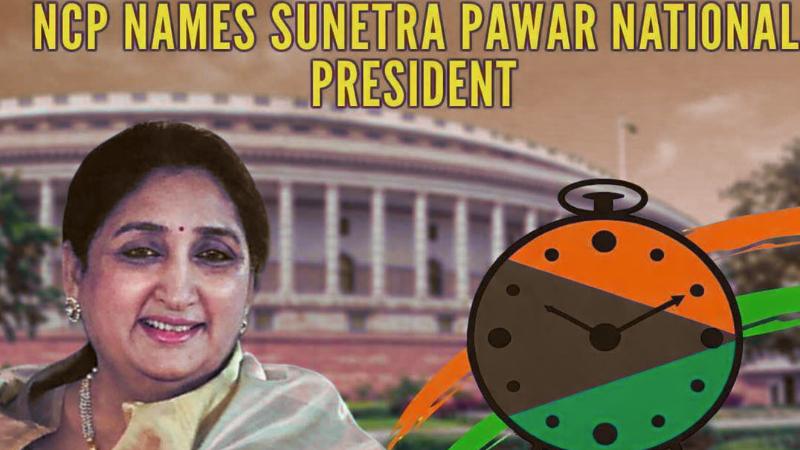
Sunetra Pawar Elected NCP National President; Announces Candidacy for Baramati By-Poll
In a historic moment for Maharashtra’s political landscape, Sunetra Pawar, the wife of the late Ajit Pawar, has been unanimously elected as the National President of the Nationalist Congress Party (NCP). This pivotal decision was made during the party's national executive meeting on Thursday, where senior NCP leader Praful Patel delivered an emotional speech, formally proposing Sunetra’s name. The proposal received overwhelming support from all present leaders and delegates, firmly establishing her as the new face of the NCP. Sunetra Pawar steps into this leadership role following the tragic death of her husband, Ajit Pawar, who passed away in a plane crash. Ajit Pawar, who had served multiple terms as the Deputy Chief Minister of Maharashtra, was long seen as the political heir to his uncle, NCP founder Sharad Pawar. His sudden passing left a significant leadership void in the party, and now Sunetra Pawar takes on the responsibility of leading the party, continuing the Pawar family’s political legacy in Maharashtra and ensuring that the NCP remains a powerful force in the state’s politics. Alongside her new position as NCP president, Sunetra Pawar is preparing to contest the Baramati bye-election, a seat that her late husband held for eight terms, solidifying his influence in the region. Sunetra’s candidacy is a strategic move for the NCP to maintain its dominance in Baramati and preserve its influence in the area. The upcoming bye-election will be crucial for the party’s future in Maharashtra. Sunetra Pawar’s rise in Maharashtra politics has already been remarkable. On January 31, she made history by becoming Maharashtra’s first woman Deputy Chief Minister, following her unanimous election as the leader of the NCP Legislative Party. Under her leadership, the NCP has achieved significant successes, including key victories in the Pune Zilla Parishad, improved performance in Kolhapur, and notable gains in several panchayat samitis, marking her leadership as both effective and promising for the future of the party.
Sunetra Pawar Elected NCP National President; Announces Candidacy for Baramati By-Poll
In a historic moment for Maharashtra’s political landscape, Sunetra Pawar, the wife of the late Ajit Pawar, has been unanimously elected as the National President of the Nationalist Congress Party (NCP). This pivotal decision was made during the party's national executive meeting on Thursday, where senior NCP leader Praful Patel delivered an emotional speech, formally proposing Sunetra’s name. The proposal received overwhelming support from all present leaders and delegates, firmly establishing her as the new face of the NCP. Sunetra Pawar steps into this leadership role following the tragic death of her husband, Ajit Pawar, who passed away in a plane crash. Ajit Pawar, who had served multiple terms as the Deputy Chief Minister of Maharashtra, was long seen as the political heir to his uncle, NCP founder Sharad Pawar. His sudden passing left a significant leadership void in the party, and now Sunetra Pawar takes on the responsibility of leading the party, continuing the Pawar family’s political legacy in Maharashtra and ensuring that the NCP remains a powerful force in the state’s politics. Alongside her new position as NCP president, Sunetra Pawar is preparing to contest the Baramati bye-election, a seat that her late husband held for eight terms, solidifying his influence in the region. Sunetra’s candidacy is a strategic move for the NCP to maintain its dominance in Baramati and preserve its influence in the area. The upcoming bye-election will be crucial for the party’s future in Maharashtra. Sunetra Pawar’s rise in Maharashtra politics has already been remarkable. On January 31, she made history by becoming Maharashtra’s first woman Deputy Chief Minister, following her unanimous election as the leader of the NCP Legislative Party. Under her leadership, the NCP has achieved significant successes, including key victories in the Pune Zilla Parishad, improved performance in Kolhapur, and notable gains in several panchayat samitis, marking her leadership as both effective and promising for the future of the party.

PM Modi’s Instagram Following Surpasses 100 Million, Making Him the First World Leader to Achieve the Milestone
Prime Minister Narendra Modi has achieved a significant milestone in the digital space, becoming the first world leader to cross 100 million followers on Instagram. The achievement highlights his strong presence on social media and reflects his influence in the global political landscape. Since joining Instagram in 2014, Modi’s account has steadily expanded in reach. What began as a platform to share official engagements, foreign visits, and personal moments gradually evolved into
PM Modi’s Instagram Following Surpasses 100 Million, Making Him the First World Leader to Achieve the Milestone
Prime Minister Narendra Modi has achieved a significant milestone in the digital space, becoming the first world leader to cross 100 million followers on Instagram. The achievement highlights his strong presence on social media and reflects his influence in the global political landscape. Since joining Instagram in 2014, Modi’s account has steadily expanded in reach. What began as a platform to share official engagements, foreign visits, and personal moments gradually evolved into