
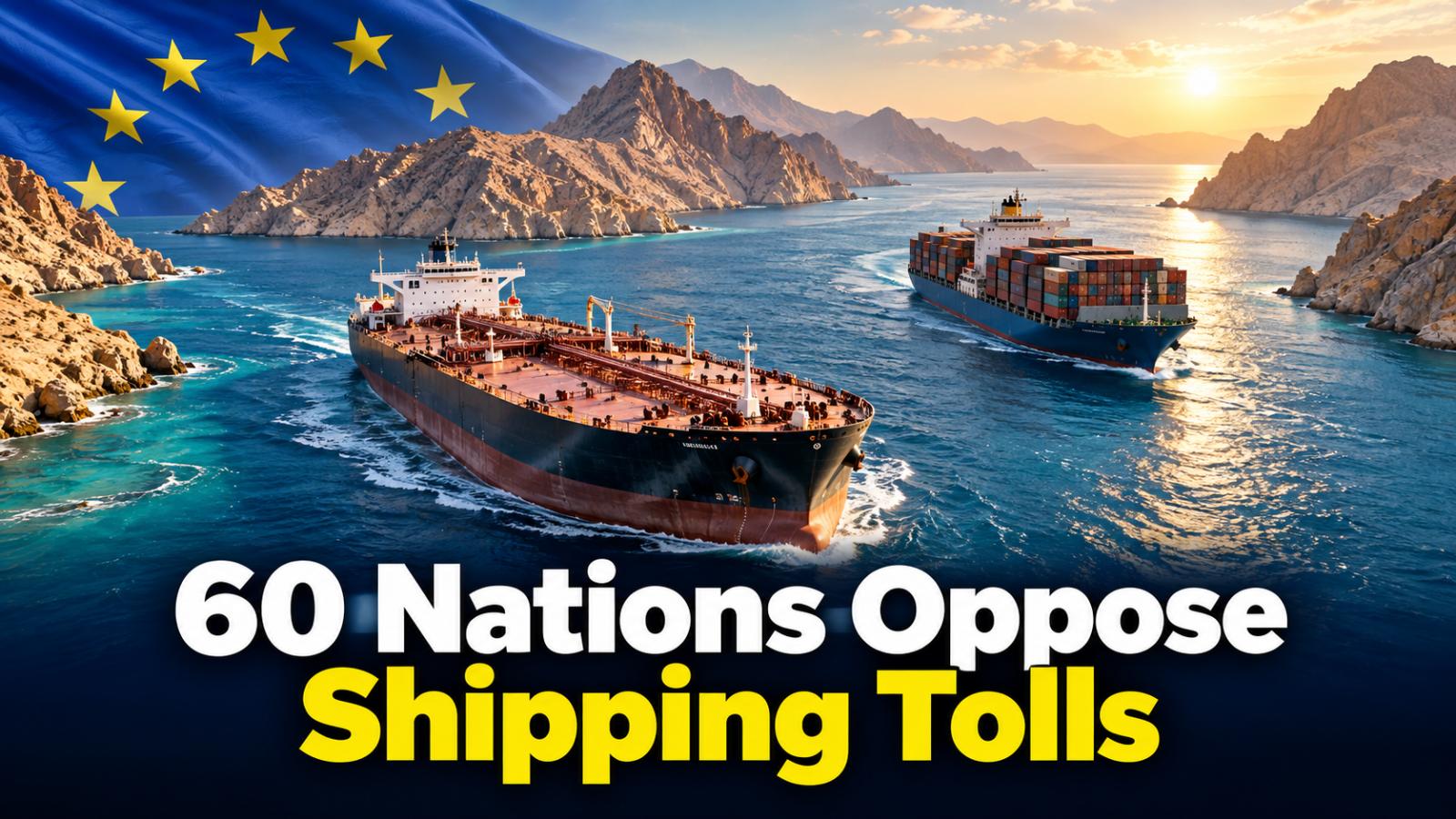
Sixty countries have backed a European Union-led pledge opposing unlawful tolls, fees and restrictions that interfere with lawful navigation through international straits. EU foreign policy chief Kaja Kallas announced the initiative on October 12, with support from all 27 EU member states and 33 other countries.
Supporters include Australia, Canada, Japan, Singapore, the United Kingdom and Oman. The “No Fees/No Tolls” pledge calls for respect for the existing international framework governing passage through straits used by international shipping.
The declaration also opposes discriminatory restrictions and prior authorisation requirements that hamper lawful navigation. Its focus is protecting passage under international law, rather than announcing that every type of maritime service charge is prohibited.
Shipping Routes Face Trade and Energy Risks
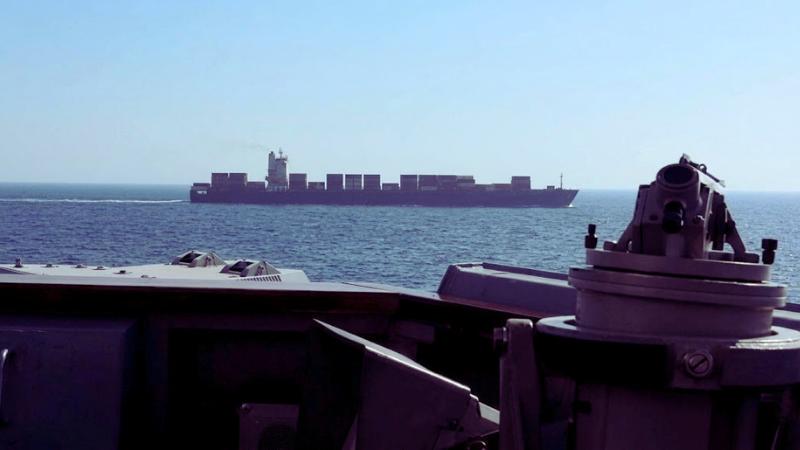
The initiative comes amid disruption in the Strait of Hormuz, a strategically important passage between Iran and Oman connecting the Persian Gulf with the Gulf of Oman. Reduced shipping movements, security concerns and demands for access payments have intensified uncertainty for commercial vessels using the waterway. Disruption can affect the delivery of energy and other goods, with consequences extending beyond the Middle East.
The declaration identifies maritime routes as essential links for international trade, energy flows, supply chains and food security. Its supporters emphasise cooperation and respect for the United Nations Convention on the Law of the Sea, or UNCLOS, to preserve safe and lawful navigation. The pledge represents a shared diplomatic position. It does not, by itself, establish that shipping traffic has returned to normal or that restrictions have been removed.
Iran Claims Control as Reopening Talks Remain Uncertain
The supplied report states that Iranian officials have asserted control over the Strait of Hormuz and linked access to Tehran’s demands. An adviser to the commander of Iran’s Islamic Revolutionary Guard Corps also reportedly threatened to close a southern passage near Oman’s coast. These statements should be understood as Iranian claims, rather than independent confirmation that every route through the strait is closed.
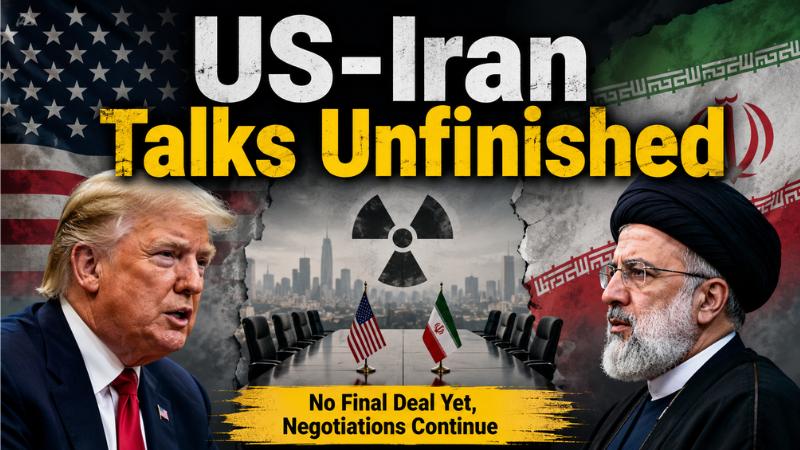
The report also describes continuing disagreements between Tehran and Washington over conditions for reopening the waterway. Iran’s reported demands include ending hostilities, lifting a US naval blockade and unfreezing Iranian assets, while nuclear issues remain part of the wider negotiations.
For shipping operators and trading nations, the immediate concern is whether diplomatic efforts can restore predictable passage. The EU-backed pledge strengthens collective opposition to unlawful restrictions, but practical improvements will depend on developments on the water and in negotiations.