India’s response to US sanctions following the 1998 Pokhran nuclear tests has returned to focus as New Delhi faces the possibility of fresh American trade restrictions. The episode demonstrated how India combined economic resilience, diversified partnerships and sustained diplomacy to withstand pressure without abandoning its strategic priorities.
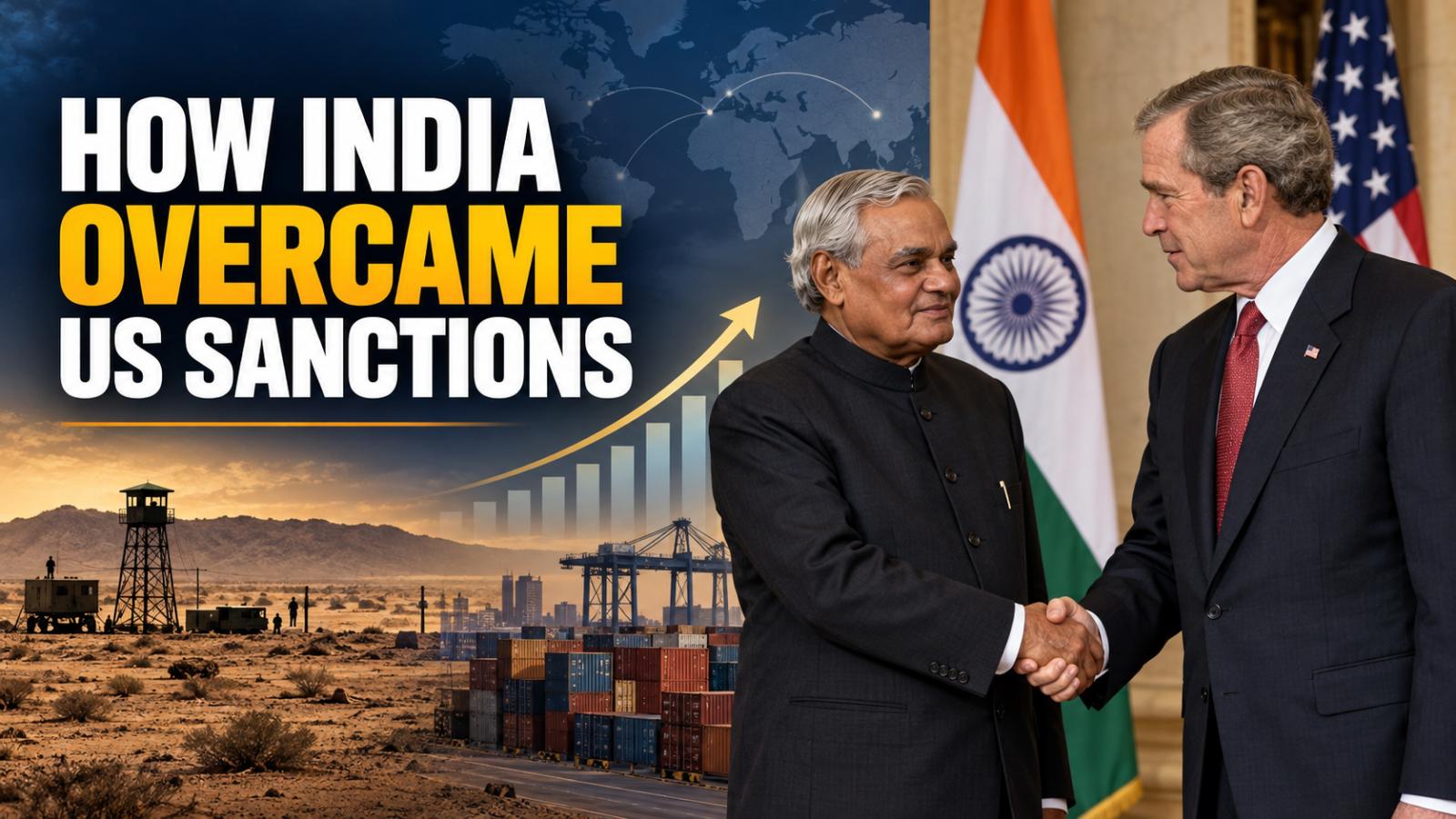
On May 11 and 13, 1998, India conducted a series of underground nuclear tests at Pokhran in Rajasthan under Operation Shakti. Then-prime minister Atal Bihari Vajpayee announced that India had become a nuclear-weapon state and defended the tests as essential to national security.
The Bill Clinton administration responded by imposing sanctions under the Glenn Amendment. The measures restricted US development assistance, military cooperation, technology transfers and new lending. Washington also opposed loans to India from international financial institutions, affecting funding for infrastructure and other development projects.
The sanctions created difficulties for defence procurement, technology access and some projects. However, they did not force India to reverse its nuclear policy. Economic reforms launched after the 1991 balance-of-payments crisis had already opened the country to investment, private enterprise and international trade.
India continued expanding its IT and services sectors while strengthening commercial ties with Europe, Russia, the Gulf, Japan and other Asian markets. Trade with the US also continued in important sectors, including textiles, gemstones and machinery.
New Delhi’s approach was based on protecting its strategic autonomy while preventing the dispute from isolating the country economically. Although some programmes experienced delays, India maintained economic growth and demonstrated that the sanctions could not achieve their principal political objective.
The experience also showed that diversification can reduce the impact of pressure from one major trading partner. By maintaining several economic and diplomatic relationships, India created room to manage restrictions while continuing its domestic reforms.
India did not allow the nuclear dispute to end engagement with Washington. Diplomatic talks continued, and President Clinton visited India in 2000, marking a major improvement in bilateral relations.
On September 22, 2001, US President George W Bush waived sanctions imposed after the Pokhran tests. Strategic cooperation grew further in the following years, eventually leading to the India-US civil nuclear agreement.
The 1998 experience offers lessons as India confronts concerns over possible US tariffs connected to its purchase of Russian crude oil. Today’s economic relationship is much larger and more complex, making any major trade barrier potentially damaging to both countries.
A tariff of up to 100 percent, if imposed, could severely affect Indian exports to the American market. However, the earlier sanctions episode suggests that India’s strongest response would combine domestic economic strength, diversified markets and continuous diplomatic engagement.
The central lesson is not that sanctions have no impact. They can disrupt financing, exports, technology access and defence supplies. India’s experience shows, however, that a resilient economy and patient diplomacy can limit their effectiveness and eventually create a path towards restoring relations.