
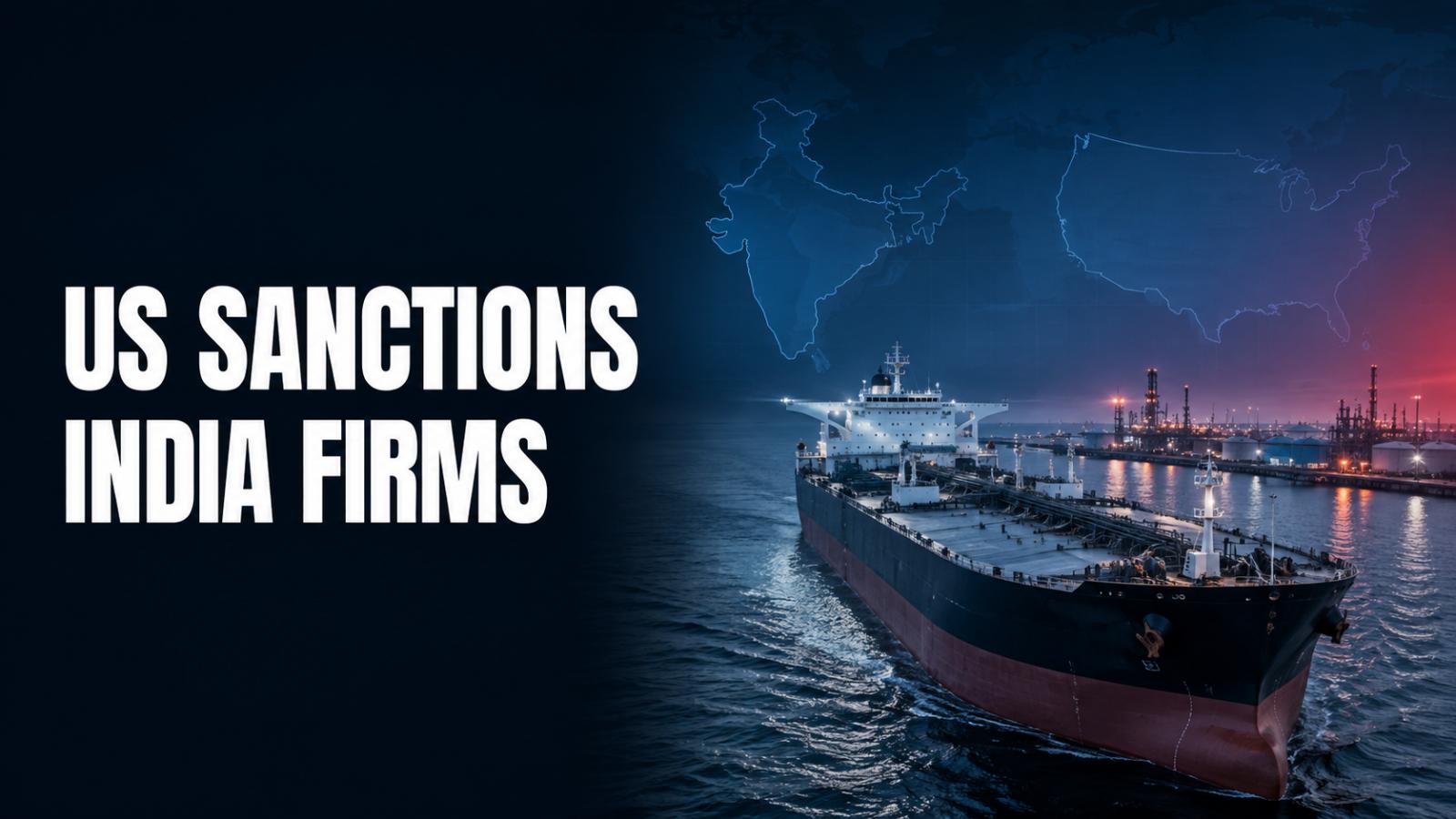
The United States has imposed sanctions on four India-based companies and three Indian nationals over allegations linked to Iranian-origin oil and petrochemical trade. The measures are part of Washington’s wider campaign to restrict Iran’s access to overseas revenue and financial networks.
According to the U.S. Treasury Department, the action covers transactions involving an estimated $119 million in Iranian-origin petroleum products. The U.S. government has alleged that the targeted companies imported or facilitated shipments connected to Iran’s petroleum and petrochemical sector.
The latest action comes amid sustained pressure from Washington on businesses, brokers and financial networks that it says help Iran move oil and related products through international markets. The sanctions do not amount to a criminal conviction; they are U.S. government designations that can restrict access to the American financial system and expose counterparties to sanctions risk.
US sanctions name four companies in IndiaThe designated companies include Sadashiva Overseas Limited, PP Softtech Private Limited, Prakrutees Infra Impex India Private Limited and Portease Partners LLP, according to the reported U.S. Treasury action.
The Treasury alleged that Sadashiva Overseas imported about $69 million in Iranian-origin petroleum products between February 2024 and June 2025. Some reported shipments were linked to Bonjoure Commodity FZE, a company previously designated by Washington.
PP Softtech and Prakrutees Infra Impex India were each accused by the U.S. of importing approximately $25 million in Iranian-origin petroleum products. Portease Partners LLP, an India-based customs broker, was sanctioned for allegedly helping facilitate several shipments of Iranian petrochemical products into India.
The U.S. also designated Prashant Garg, a director of PP Softtech, along with Portease partners Indrismiya Asharafmiya Shekh and Harish Ramchandra Rangi. The individuals and companies have been named in relation to the Treasury’s allegations; the reported article did not include their responses.
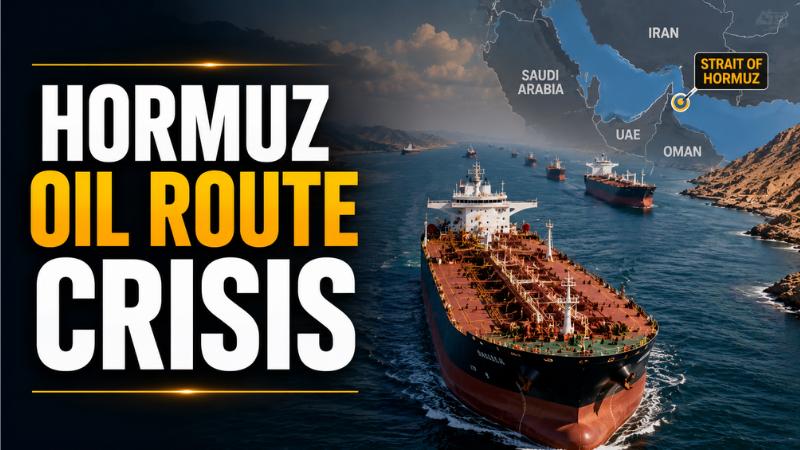
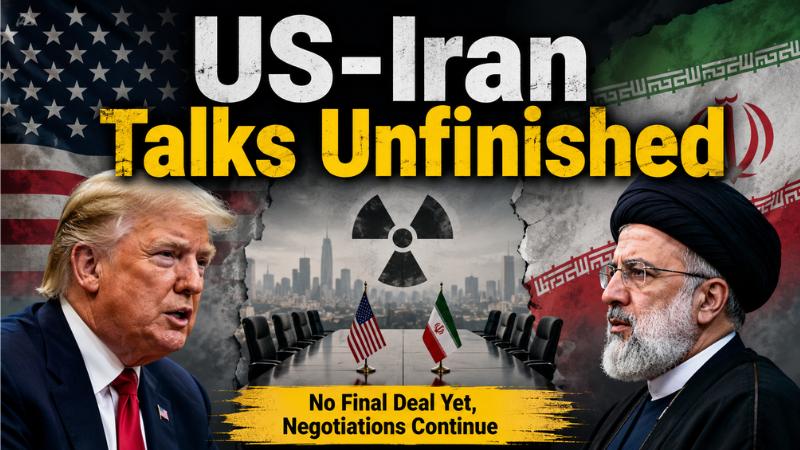
US sanctions deepen pressure on Iran’s oil revenueWashington describes the action as part of its Operation Economic Outcast initiative, aimed at limiting Tehran’s ability to generate, transfer and use revenue from oil and petrochemical exports. The Trump administration has warned businesses and countries that commercial engagement with Iran can create exposure to U.S. penalties.
Treasury Secretary Scott Bessent said the administration was escalating its economic campaign against Iran’s global financial links. The action also reportedly includes companies and individuals in China and Hong Kong, with nearly 60 entities, people and vessels covered in the broader sanctions package.
Iran has rejected Washington’s pressure campaign, calling U.S. sanctions unlawful and insisting it will continue to protect its trade relationships. Iranian officials have said the country is preparing measures to withstand the economic impact of fresh restrictions.
US sanctions raise trade and compliance concernsFor Indian businesses, the latest designations underline the compliance risks surrounding oil, petrochemicals, shipping and customs activity involving Iran. Companies that deal with entities accused of handling Iranian-origin goods can face scrutiny from banks, insurers, shipping partners and global suppliers.
The measures may also increase caution across commodity markets, where buyers and intermediaries must verify the origin of products and the parties involved in each transaction. U.S. sanctions can have effects beyond American borders because many international trades rely on dollar payments, U.S.-linked financial services or firms seeking to avoid secondary-sanctions exposure.
The broader impact on India-Iran trade will depend on future enforcement, diplomatic engagement and developments in the regional security situation. For now, the U.S. action signals that Washington intends to continue targeting commercial networks it alleges are helping Iran sustain oil revenue.