
Iran has linked the opening of the Strait of Hormuz to an end to US threats and military attacks. Security chief Mohsen Rezaei also announced plans for a restricted maritime zone extending into parts of the Persian Gulf, increasing concerns over shipping and energy supplies.
Strait of Hormuz Opening Linked to US Military Actions
Mohsen Rezaei, secretary of Iran’s Supreme National Security Council, said Tehran would commit to keeping the Strait of Hormuz open if Washington stopped threatening or attacking the country.
Speaking during an interview with Iranian state broadcaster IRIB on Sunday, Rezaei directly connected access to the strategic waterway with the United States’ military posture toward Iran.
His remarks indicate that Tehran views control of shipping through Hormuz as leverage in its confrontation with Washington. They also suggest that normal passage may remain uncertain while hostilities and military pressure continue.
Rezaei claimed that Iranian forces had identified several US military targets but deliberately avoided attacking some of them. He referred to installations in Jordan and Erbil, although those statements could not be independently confirmed.
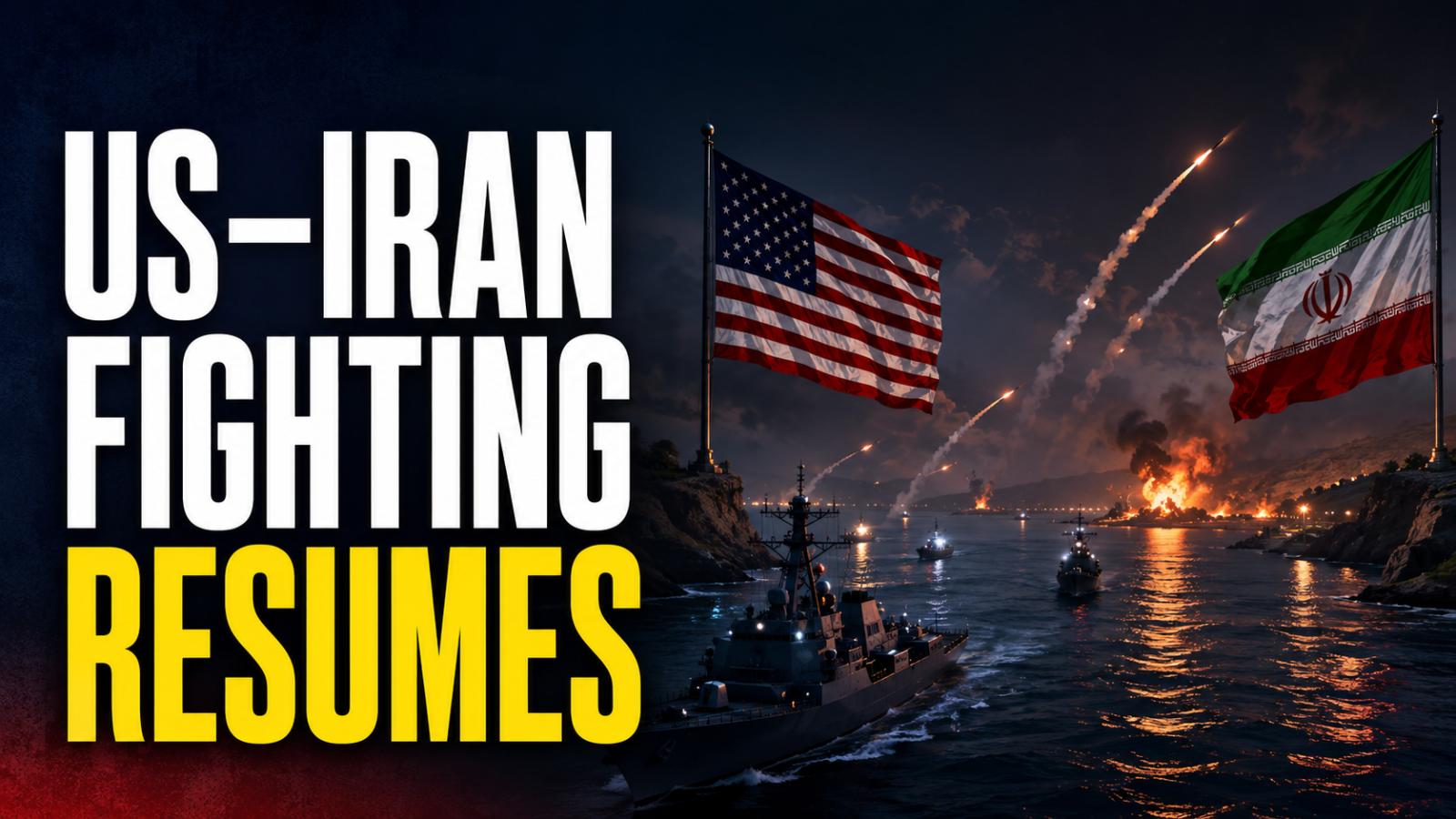
Tensions have intensified following exchanges involving US and Iranian forces and vessels. The United States has also denied an Iranian claim that Tehran struck an American uncrewed military vessel in the strait. The Associated Press reported the denial and Iran’s proposed exclusion zone.
Iran Plans Restricted Maritime Zone in Persian Gulf
Rezaei said Iran would soon announce a new restricted maritime area outside the Strait of Hormuz. The zone could begin near what Tehran describes as the US naval blockade line and extend into sections of the Persian Gulf.
According to the Iranian official, vessels entering the designated area could be placed on Iran’s sanctions list. Tehran has not yet published a detailed map, implementation date or legal framework for the proposed restrictions.
The announcement creates further uncertainty for commercial shipping companies operating in the region. Shipowners, insurers and energy traders will closely examine whether the restrictions affect established navigation routes or increase the risk of vessels being intercepted.
Rezaei also indicated that Iran and Oman could announce an agreement concerning a new corridor through the Strait of Hormuz. Details about its entry and exit points, eligibility rules and enforcement arrangements remain limited.
Hormuz Shipping Disruption Raises Global Oil Concerns
The Strait of Hormuz is one of the world’s most important routes for crude oil, petroleum products and liquefied natural gas. Any prolonged disruption could reduce energy supplies, increase insurance and freight costs and place upward pressure on global fuel prices.
Commodity-vessel traffic through the strait reportedly fell to an average of approximately 10 ships a day during the previous 10 days, its lowest level since May. Traffic dropped sharply as attacks on military and commercial vessels increased concerns about crew and cargo safety.
Oil prices gained more than $1 per barrel on Monday as markets reacted to the latest escalation. Brent crude rose above $97 per barrel during early trading, while US West Texas Intermediate traded above $92. Reuters reported that escalating maritime attacks and Iran’s proposed restrictions intensified fears of a prolonged supply disruption.
The effect could extend beyond oil-producing Gulf countries. Higher energy and transportation costs may eventually affect fuel prices, aviation, manufacturing and consumer inflation in importing nations.
Iran-US Tensions Keep Major Waterway’s Future Uncertain
Rezaei’s statement places responsibility for future access on Washington, while the US has continued to defend its regional military presence and maritime operations. Neither side has announced an agreement capable of guaranteeing unrestricted commercial passage.
The Iranian security official also discussed Hezbollah’s position in Lebanon, arguing that wars include periods of advantage and setback. His remarks reflected Tehran’s wider view of regional confrontations involving the US and Israel.
For shipping companies, the immediate concern is whether military exchanges will expand into commonly used commercial routes. Any new Iranian zone could increase the possibility of seizures, sanctions, rerouting or further attacks.
Until Tehran publishes the boundaries and rules for its proposed maritime area, uncertainty is likely to remain high. Diplomatic negotiations, a reduction in military activity and a verifiable shipping arrangement would be required to restore confidence in one of the world’s most important energy corridors.