

India’s space journey began in the most unexpected place — a church in Thumba. Long before becoming a global space power, the foundations of the Indian Space Research Organisation were laid with limited resources but extraordinary vision.
In the early 1960s, under the leadership of Vikram Sarabhai, scientists identified Thumba as an ideal location near the magnetic equator for atmospheric research. At the centre of this effort was the St. Mary Magdalene Church, which was repurposed into a laboratory and control centre for early space experiments.
With minimal infrastructure, scientists worked with makeshift setups. Equipment was assembled manually, and rocket components were often transported using bicycles and simple vehicles. These early efforts focused on launching sounding rockets and building technical expertise, which later paved the way for India’s first satellite.
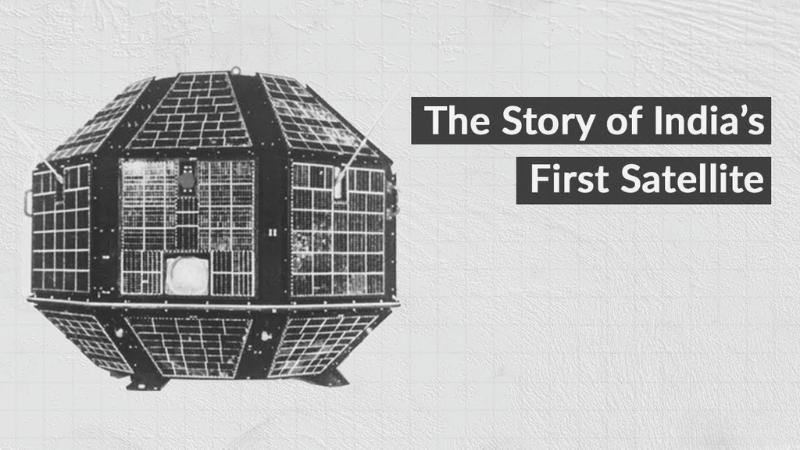
On April 19, 1975, India launched its first satellite, Aryabhata, marking a historic milestone in the country’s space journey. Although the satellite functioned for only a short period, it demonstrated India’s capability in space technology and established its presence on the global stage.
Today, the former church stands as part of a space museum, symbolising the humble beginnings of India’s space programme. The journey from a small coastal village to advanced space missions reflects the power of innovation, determination, and scientific vision.