Plot:
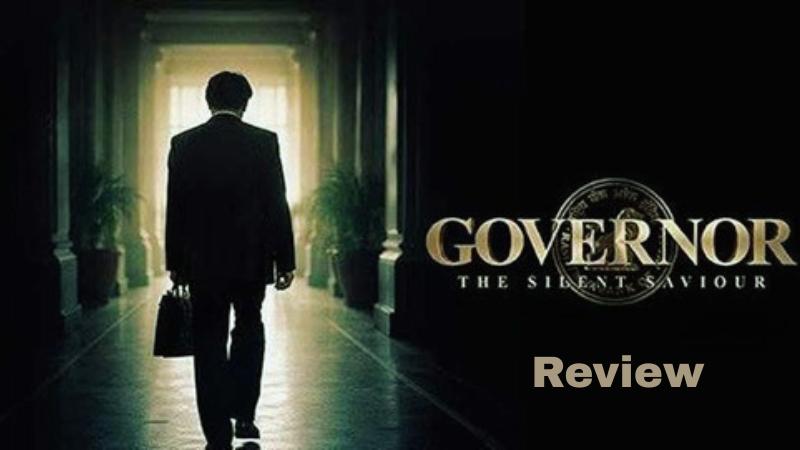
Governor: The Silent Saviour follows RBI Governor A Ramanan, played by Manoj Bajpayee, during India’s 1991 balance-of-payments crisis. With the country close to bankruptcy, foreign reserves falling, oil prices rising and political instability increasing, Ramanan faces one of the most difficult decisions in India’s financial history.
The story focuses on the decision to pledge India’s gold reserves and the invisible battles fought inside government offices, financial institutions and policy rooms. The film shows how economic decisions affect not only the nation’s image but also ordinary families and public servants.
Performances:
Manoj Bajpayee delivers a restrained and deeply effective performance as A Ramanan. He avoids loud speeches and heavy drama, instead bringing calm authority, patience and moral clarity to the role.
Madhoo is graceful and convincing as Vandita, Ramanan’s wife. Her scenes with Manoj Bajpayee add emotional warmth to the film. Adah Sharma performs well as journalist Aditi Verma and brings energy to the investigative portions.
Noushad Mohamed Kunju stands out as Deputy Governor C Rangarajan, especially in emotional scenes. Jaywant Wadkar, Devang Bagga, Krisha Kurup, Paritosh Sand and Jaya Swaminathan add credibility to the supporting cast.
Technical Aspects:
Director Chinmay Mandlekar keeps the film realistic and grounded. The RBI corridors, boardroom discussions and political pressure scenes are handled with seriousness. The film avoids unnecessary glamour and focuses on responsibility, decision-making and national pressure. The writing works best when it connects financial policy with human consequences.
Music:
The background score is subtle and supports the film’s serious tone. It adds tension during crisis moments and emotion during personal scenes without overpowering the performances. Governor is not a music-driven film, but the score helps maintain the mature and restrained mood.
Editing:
The editing keeps the narrative mostly steady. The film moves between financial discussions, political pressure and human stories without losing its main focus. A few conflict scenes feel slightly conventional, but the pacing remains controlled overall.
Positives:
- Manoj Bajpayee’s excellent restrained performance
- Strong subject based on India’s 1991 economic crisis
- Mature and non-preachy storytelling
- Good emotional link with ordinary citizens’ struggles
- Effective supporting performances
- Realistic treatment of financial and political pressure
- Respectful portrayal of invisible public servants
Negatives:
- Some conflict scenes feel familiar
- May feel slow for viewers expecting a commercial thriller
- Limited mass appeal because of the financial subject
- A few characters needed deeper writing
- Some dramatic moments feel slightly conventional
Analysis:
Governor: The Silent Saviour works because it understands that national crises are not always fought on battlefields. Some battles happen inside offices, files, policy rooms and late-night meetings. The film’s biggest strength is that it does not turn the Governor into a larger-than-life hero. Instead, it presents him as a calm and thinking public servant who understands that one wrong decision can affect millions of lives.
Manoj Bajpayee anchors the film with quiet authority. His performance gives the story dignity and emotional weight. The film also succeeds in showing the human cost of economic collapse, making the gold reserves decision feel personal rather than just historical. The film is not revolutionary in style, and a few scenes follow familiar dramatic patterns. Still, its sincerity, strong performances and important subject make it a worthwhile watch.
Bottomline: Quiet Strength
Rating: 3.5/5