
Pawan Kalyan Opens Up About Hari Hara Veera Mallu and His Political Journey- Exclusive Interview
- 12 Feb 2026 12:00 AM
- #pawankalyan #hariharaveeramallu #politicianactor #filmproductionstruggles #telegufilm #filmindustry #pawankalyaninterview #indianhistoricalfilms #politicsandcinema #filmindustrygrowth #pawankalyanjourney #moviepromotion #upcomingmovie #southindiancinema #filmindustrychallenges #powerstarpawankalyan #tollywoodhero #exclusiveinterview
Interviewer: Pawan Kalyan Garu, thank you for taking the time to speak with us. Let's start with your upcoming film Hari Hara Veera Mallu. Could you share with us the film’s core message?
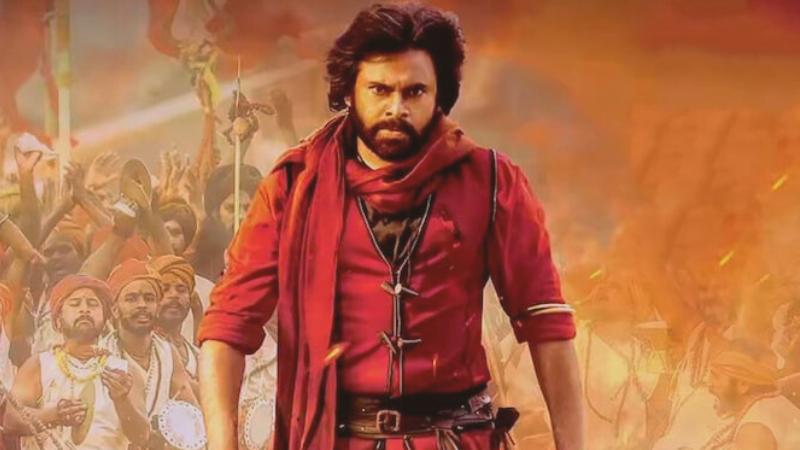
Pawan Kalyan: Thank you for having me. Hari Hara Veera Mallu is deeply rooted in the concept of Dharma, which is a major theme in the movie. The story revolves around a warrior who fights for his religion and freedom during the oppressive rule of Aurangzeb, who imposed a tax that hindered Hindus from practicing their faith. The film also subtly touches on the historical journey of the Kohinoor diamond, which was discovered near the Krishna River and eventually ended up in the hands of the Mughals. The heart of the story is the struggle for religious freedom and the resistance against cultural oppression.
Interviewer: There have been speculations linking your character, Veera Mallu, to historical figures like Sarvai Papanna. Can you clarify that?
Pawan Kalyan: I understand why people might make those connections, but I want to clarify that Veera Mallu is a fictional character. While some parallels might be drawn to real historical figures, the core story is unique. The focus of the film is on the oppressive times under the Mughal empire, particularly under Aurangzeb, who fought against religious freedom. This is what the movie truly delves into.
Interviewer: You’re balancing two major roles in politics and acting. How do you manage both?
Pawan Kalyan: Politics is my primary responsibility, and that’s where I invest most of my time and effort. However, cinema is a significant part of who I am. It gave me my identity, livelihood, and a platform to connect with the people. Acting and cinema are deeply rooted in my past, and it has always been my passion. Even while focusing on politics, I can’t ignore the importance of cinema in my life.
Interviewer: This is the first time you’ve actively promoted a film. Why the change this time?
Pawan Kalyan: Hari Hara Veera Mallu is different. It’s a special project that has faced many hurdles—natural, man-made, and even political. The people behind this film, the producers, and the entire team have shown immense courage and dedication. Supporting them and promoting this film is my duty. It’s not just about the movie; it’s about recognizing the incredible effort that went into making it a reality.
Interviewer: Can you elaborate on some of the challenges the film faced during its making?
Pawan Kalyan: We faced several challenges, particularly on the political front. There were times when I was detained in Visakhapatnam, and ticket prices were unfairly reduced by the previous government, which directly impacted the producers. The film was also deliberately targeted due to my association with it. However, we persevered through these setbacks. Every obstacle became an opportunity for growth, and we never stopped working towards completing the film.
Interviewer: Ticket prices have been adjusted now, unlike the previous government. What’s your take on this change?
Pawan Kalyan: The ticket price increase is not just about one film; it is a result of collective efforts by the entire film industry. The current government has supported the cause and recognized the hard work of producers. It’s crucial to acknowledge the value that filmmakers and the entire industry bring to the table, and this change will help the industry thrive.
Interviewer: Will there be any exclusive screenings organized for political leaders or government officials?
Pawan Kalyan: That’s an interesting suggestion. I hadn’t thought of it, but I will definitely plan a special screening for public representatives like MLAs, MLCs, MPs, and Ministers. It’s important that they watch the hard work that went into this film and appreciate its message.
Interviewer: You’ve mentioned the struggles you faced with Johnny. How did that impact your approach to filmmaking and politics?
Pawan Kalyan: Johnny was a turning point for me. The failure of the film taught me a lot about handling setbacks. It wasn’t just about the movie—it was about dealing with the consequences, settling accounts with buyers, and learning how to manage failure. That experience has shaped how I approach both cinema and my political career. It taught me to persevere and keep moving forward despite challenges.
Interviewer: Will Hari Hara Veera Mallu face a shortage of theaters like some films, and what about Part 2?
Pawan Kalyan: No, there will be no shortage of theaters. Part 2 of the film has already completed about 20% of its shoot, and the production is moving along smoothly. We’re confident that Hari Hara Veera Mallu will reach the audience in the best possible way.
Interviewer: Do you think you'll keep acting in films while pursuing your political career?
Pawan Kalyan: That’s something only God can decide. For now, my focus is on politics. But if circumstances allow, I am open to it. Cinema is a passion, but politics is my primary responsibility at the moment.
Interviewer: What does Andhra Pradesh need to develop a thriving film industry like Hyderabad?
Pawan Kalyan: Infrastructure is the key. We need to establish proper film schools, build world-class studios, and provide facilities for filmmakers. With these resources in place, Andhra Pradesh can become a hub for the film industry, attracting global recognition and providing opportunities for talented individuals in the state.
Interviewer: Finally, what message do you have for the fans and supporters of Hari Hara Veera Mallu?
Pawan Kalyan: I want to thank everyone who has supported this film and the team behind it. This film is not just a cinematic effort—it is a tribute to the warriors who fought for justice and Dharma. It’s a symbol of the struggles and triumphs we face in life. I hope you enjoy the film and that it resonates with you all.