
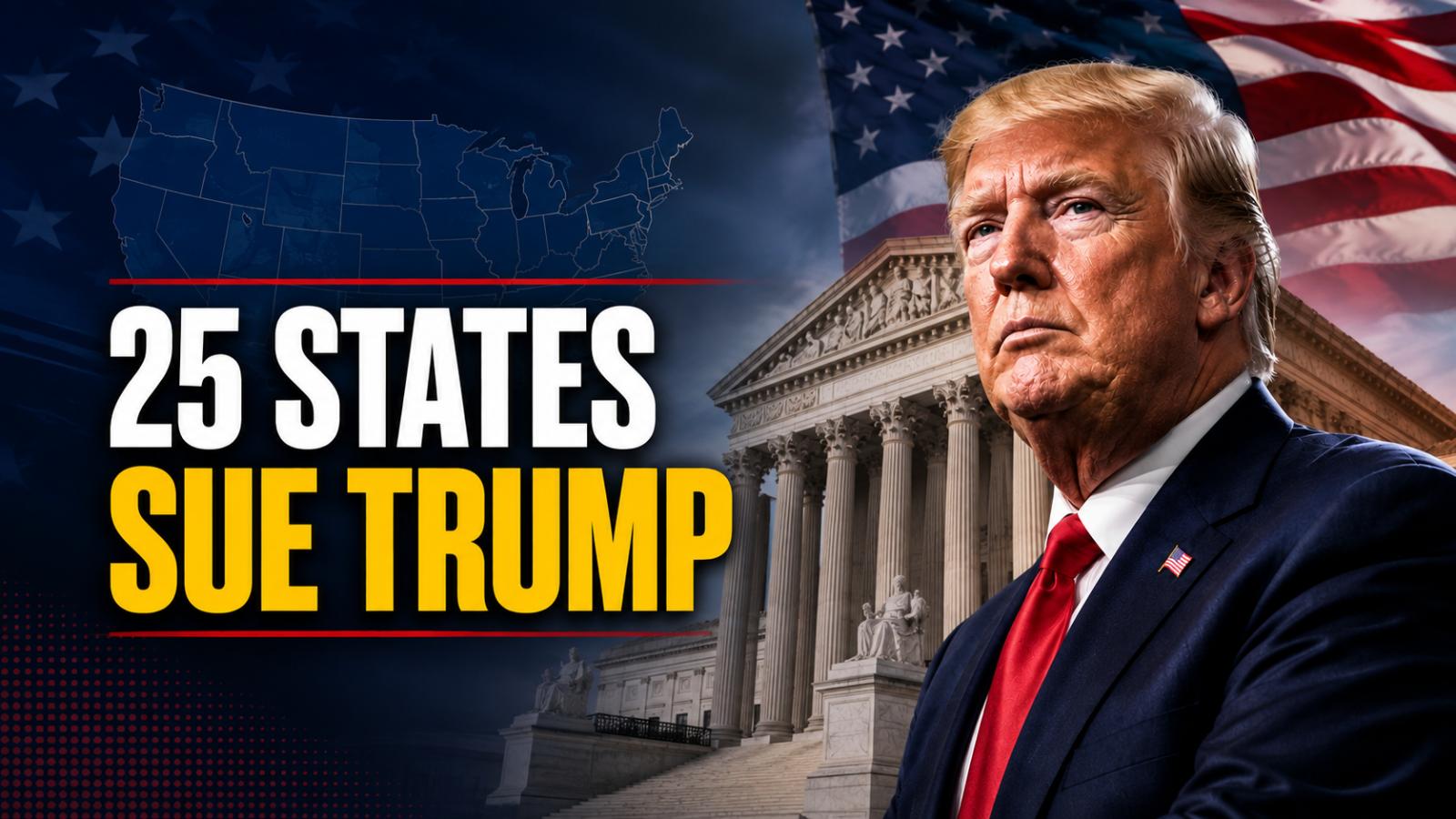
Section 301 tariff lawsuit challenges presidential authority
A coalition of 25 Democratic-led US states has filed a lawsuit challenging President Donald Trump’s latest tariffs on imports from 60 trading partners. The case was filed in the US Court of International Trade and argues that the administration exceeded its authority by using Section 301 of the Trade Act of 1974 to impose broad import duties.
The contested tariffs range from 10 percent to 12.5 percent and took effect in July 2026. The Trump administration says the duties are intended to pressure countries that have failed to prohibit or effectively prevent imports of goods made with forced labour.
The states, including Oregon and New York, dispute that explanation. Their complaint alleges that forced labour concerns are being used as a justification to restore broad tariffs similar to measures previously rejected by US courts.State officials argue that Section 301 has traditionally been used against specific countries, industries or unfair trade practices. According to the lawsuit, the provision does not give the president unlimited authority to impose tariffs affecting most US imports.
The coalition wants the court to declare the duties unlawful, stop their enforcement and provide relief for tariffs already collected. The case adds to the continuing legal dispute over the limits of presidential power in US trade policy.
India faces 10 percent US tariff under new policy
India is among the 60 economies covered by the latest tariff action. The proposed duty on Indian imports was initially 12.5 percent but was reduced to 10 percent after India introduced measures addressing imports linked to forced labour.
Several product categories are exempt from the new duties, including oil, natural gas, fertilisers and selected goods covered by other trade protections. Certain products qualifying for duty-free treatment under the United States-Mexico-Canada Agreement are also excluded.
US Trade Representative Jamieson Greer defended the tariffs, saying America has enforced a forced-labour import ban for decades and expects its trading partners to adopt stronger protections. The administration maintains that Section 301 permits action against foreign policies that unfairly burden US commerce.
The lawsuit is another test of Trump’s tariff strategy following earlier courtroom setbacks. Previous global tariffs imposed under emergency powers were struck down after the Supreme Court ruled that the law did not authorise such sweeping duties.
Trump later used another section of the Trade Act to introduce temporary tariffs, but those measures also faced legal challenges. His administration has now turned to Section 301, a provision previously used for targeted tariffs against China.
The court must decide whether Section 301 supports tariffs covering dozens of economies or whether the administration has stretched the law beyond its intended purpose. Until a ruling is issued, the tariffs remain a significant concern for importers, businesses and consumers affected by higher trade costs.