

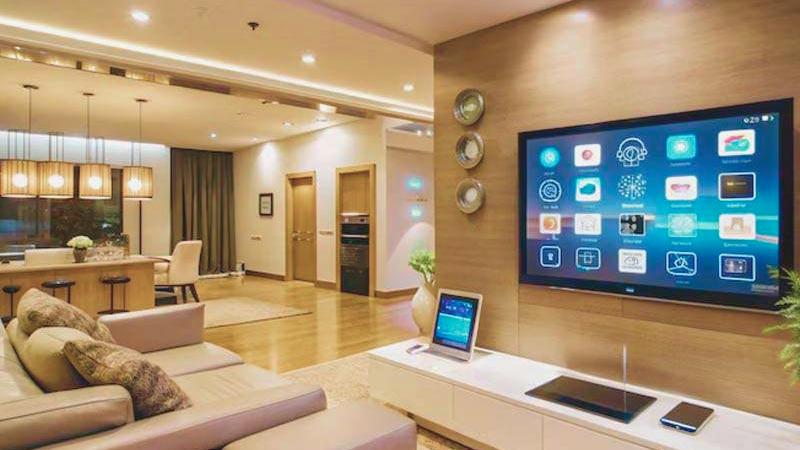
Technology has transformed the way we live, and smart home advancements are at the center of this evolution. Connected living refers to integrating devices, systems, and appliances within your home to work seamlessly through automation and internet connectivity. From voice-controlled lighting to intelligent security systems, smart home technology enhances comfort, efficiency, and safety. As more homeowners embrace digital solutions, understanding how smart homes work and their benefits can help you make informed decisions for modern living.
What Is a Smart Home?
A smart home uses internet-connected devices that allow homeowners to control and monitor systems remotely. These devices communicate through Wi-Fi, Bluetooth, or centralized hubs, enabling automation and real-time control via smartphones or voice assistants. Common smart home components include lighting systems, thermostats, security cameras, door locks, entertainment systems, and kitchen appliances. The goal is to create an integrated ecosystem where devices operate together efficiently.
Smart Lighting and Energy Efficiency
Smart lighting systems allow you to control brightness, color, and scheduling through mobile apps or voice commands. Motion sensors automatically turn lights on or off, helping reduce electricity usage. Smart thermostats are another major advancement. They learn your temperature preferences and adjust settings automatically to optimize comfort while lowering energy bills. These energy-efficient solutions not only save money but also reduce environmental impact.
Advanced Home Security Systems
Security is one of the primary reasons homeowners invest in smart home technology. Smart security cameras provide live streaming, motion detection alerts, and remote access. Smart doorbells allow you to see and communicate with visitors from anywhere. Smart locks eliminate the need for physical keys and can be controlled remotely. You can grant temporary access to guests or service providers without compromising safety. Integrated alarm systems further enhance protection through instant mobile notifications.
Voice Assistants and Automation
Voice-controlled devices have simplified home management. With virtual assistants, you can control lights, adjust thermostats, play music, and even manage grocery lists using simple voice commands. Home automation routines allow multiple actions to occur simultaneously. For example, a “Good Night” routine can turn off lights, lock doors, and adjust the thermostat automatically. This level of convenience defines connected living.
Smart Kitchen and Appliances
Modern kitchens now feature smart refrigerators, ovens, and dishwashers. These appliances offer remote monitoring, energy tracking, and maintenance alerts. Some refrigerators can track groceries and suggest recipes based on available ingredients. Smart washing machines and dryers provide usage updates and allow remote start functions. These advancements make household management more efficient and time-saving.
Benefits of Smart Home Technology
Smart home advancements offer multiple advantages that enhance modern living. They provide enhanced convenience through remote control and automation, allowing homeowners to manage lighting, temperature, and security systems from anywhere. Energy efficiency improves significantly with smart thermostats and lighting systems, helping reduce electricity consumption and lower utility bills. In addition, smart home systems increase overall security and safety through real-time monitoring, smart locks, and instant alerts. Personalized settings create greater comfort by adjusting environments based on user preferences. These modern upgrades also contribute to higher property value and contemporary appeal. Connected living ultimately simplifies daily routines, saves time, and improves overall quality of life by making homes more intelligent, efficient, and secure.
Things to Consider Before Upgrading
Before investing in smart home devices, consider compatibility, internet reliability, and data security. Choose devices that integrate well with each other to avoid technical conflicts. Reliable Wi-Fi coverage is essential for seamless performance. Additionally, prioritize products with strong security features to protect your personal data and privacy.
The Future of Connected Living
Smart home technology continues to evolve rapidly. Artificial intelligence, improved automation systems, and energy-efficient innovations are shaping the future of modern homes. As technology advances, homes will become even more intuitive, responding to habits and preferences automatically. Connected living is no longer a luxury but a practical solution for homeowners seeking comfort, security, and efficiency.