
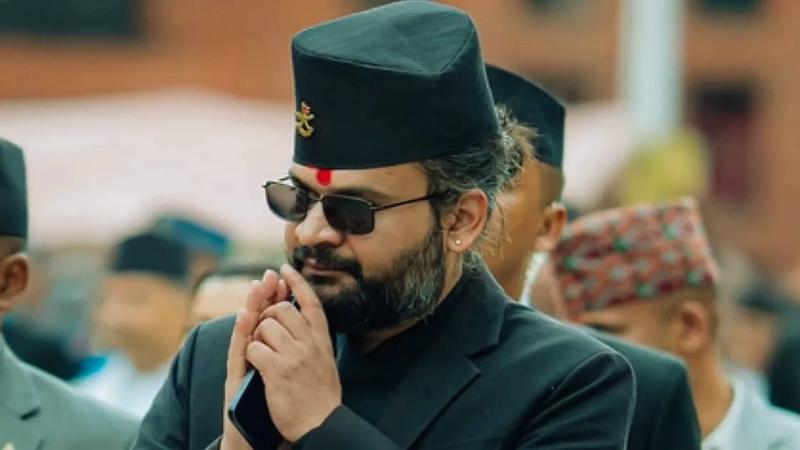
Public unrest is rising in Nepal against the government led by Balen Shah, just weeks after it assumed office. Protests have spread across Kathmandu and other cities, with students, political groups, and citizens taking to the streets, reflecting growing dissatisfaction with recent policy decisions.
The demonstrations were primarily triggered by the government’s move to ban student unions and campus politics. The administration aimed to depoliticize educational institutions, but the decision sparked strong backlash from students, who accused the government of restricting representation. Thousands of students have joined protests, many seen demonstrating in school uniforms, highlighting the scale of youth participation.
Public anger has also intensified due to a mandatory customs duty on goods worth over Rs 100 brought in from India. Residents in border areas say the policy affects their daily lives, as they rely on cross-border trade for essential items. Protesters argue that the decision places an unnecessary financial burden on ordinary citizens.
The unrest has further escalated due to allegations against Home Minister Sudan Gurung, who is facing accusations of financial irregularities and disproportionate assets. Opposition groups and civil society organisations have demanded his resignation, citing concerns over transparency and accountability.
With multiple issues converging, the government is under increasing pressure to respond. What began as protests over specific decisions has now grown into a broader political challenge, testing the leadership of Balen Shah and raising concerns about governance and public trust.