Rahul Gandhi Targets Modi, Shah Over Gen Z Protest FIRs
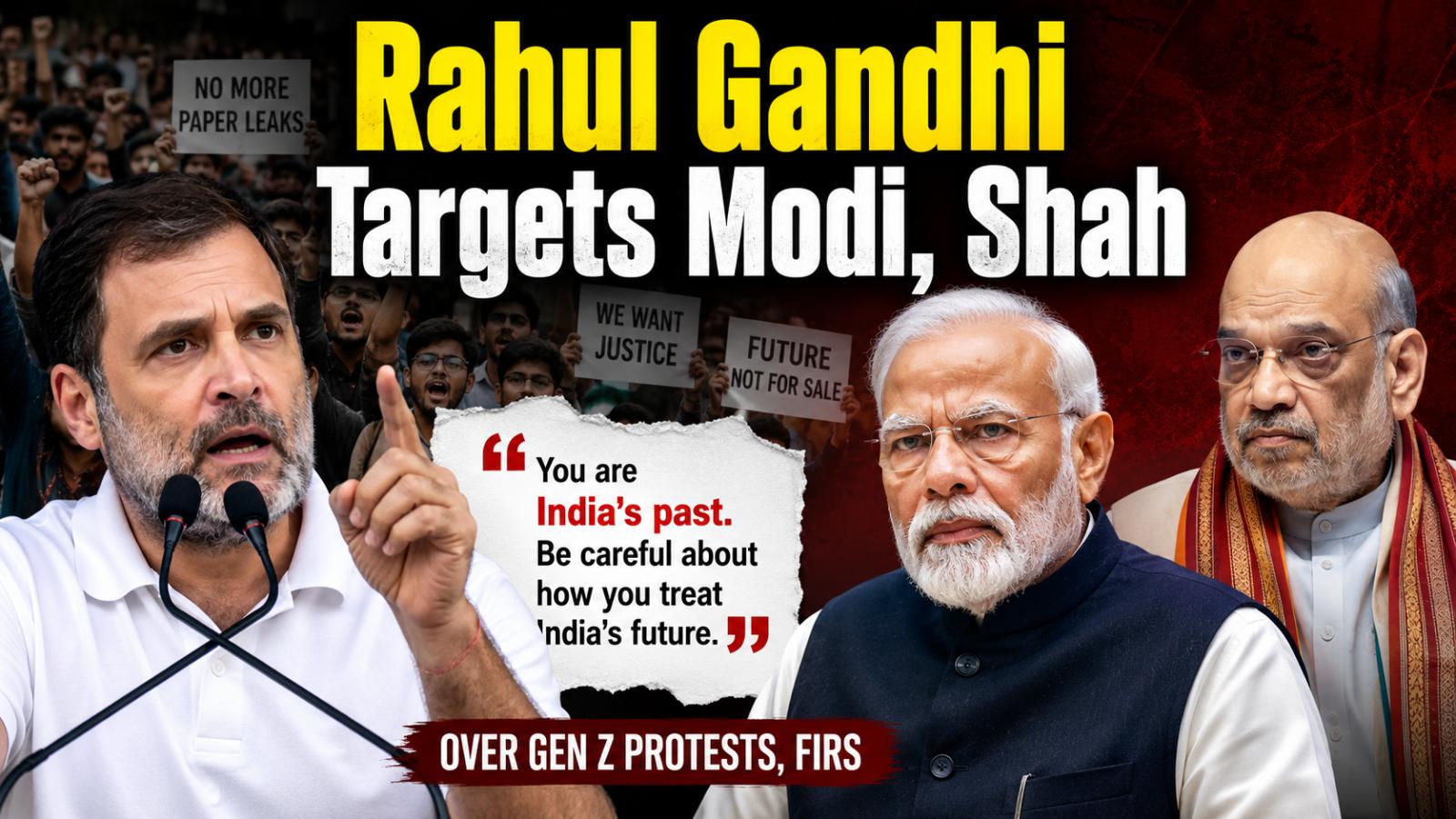
Rahul Gandhi accused Prime Minister Narendra Modi and Home Minister Amit Shah of trying to silence Gen Z protesters through FIRs, alleged police action and social media restrictions. His remarks came after Parliament passed stricter amendments to India’s anti-paper leak law.
Rahul Gandhi Gen Z Protest Remarks Target Modi, Shah Over FIRs
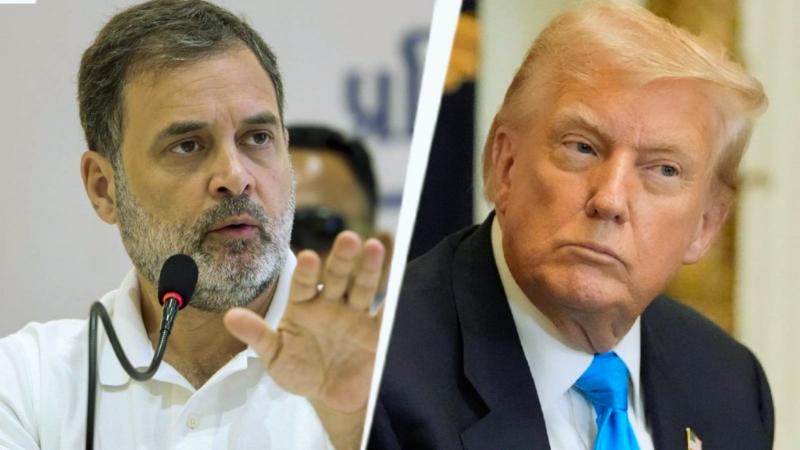
Congress leader Rahul Gandhi targeted Prime Minister Narendra Modi and Union Home Minister Amit Shah on Friday, July 31, 2026, accusing them of trying to silence young protesters through police action, FIRs and alleged restrictions on their social media accounts.
In a post on X, the Leader of Opposition in the Lok Sabha described Modi and Shah as representatives of “India’s past” and warned them to be careful about their treatment of what he called “India’s future.” His comments intensified the political confrontation surrounding recent student-led protests and the government’s response to examination paper leaks.
Rahul Gandhi Gen Z Protest Remarks Escalate Political Row
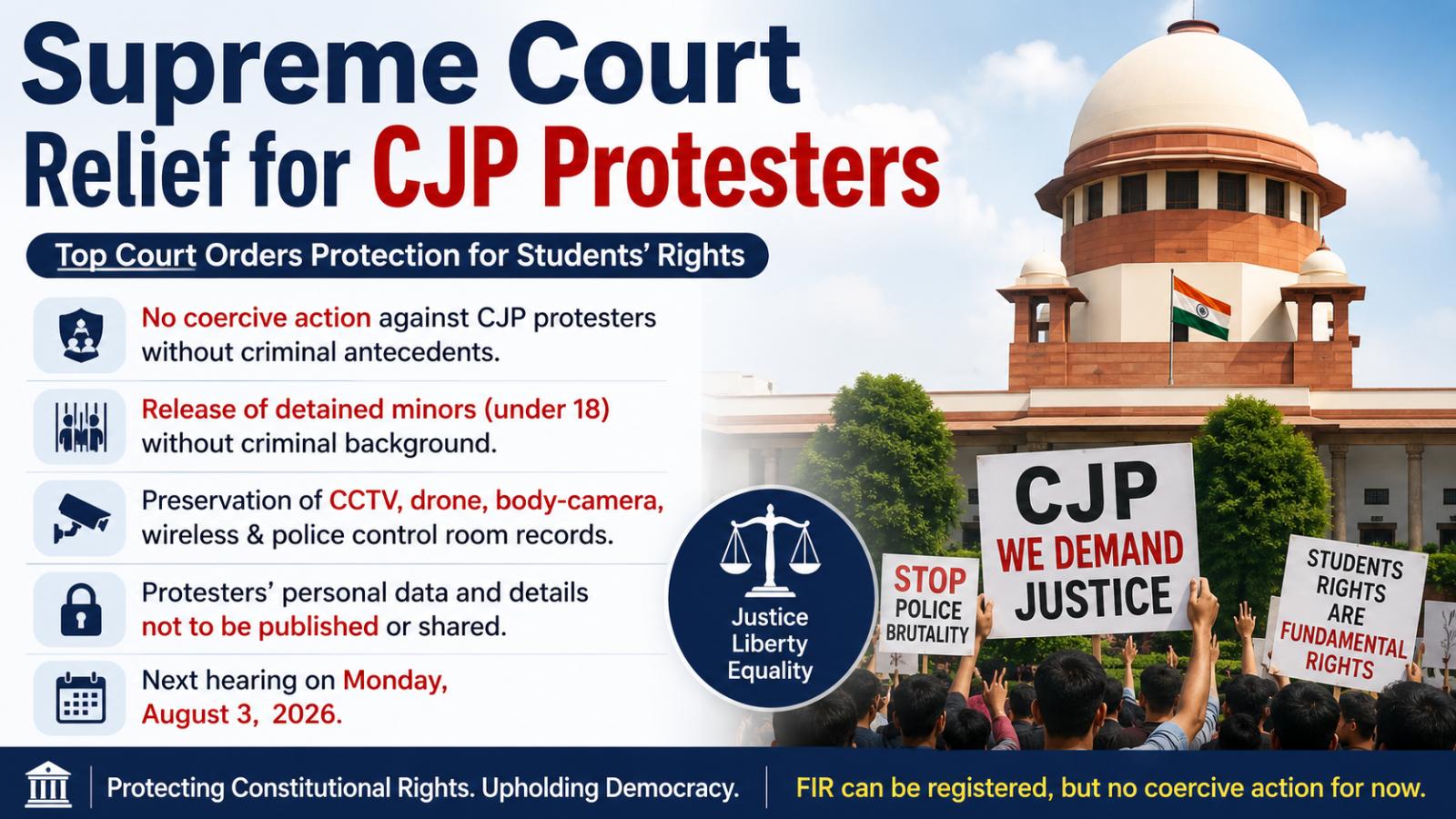
Rahul Gandhi alleged that force had first been used against student demonstrators and that FIRs were now being registered against participants. He also claimed that accounts linked to protesters were being removed or restricted on social media.
“You cannot threaten Gen Z into silence,” Gandhi said while addressing Modi and Shah in his post. He followed the accusation with the remark, “You are India’s past,” contrasting the two senior BJP leaders with the country’s younger generation.
The statements were political allegations made by Gandhi amid continuing criticism from opposition parties over the handling of student protests. Reports on his remarks did not independently establish the circumstances surrounding every FIR or alleged social media takedown.
Comments Come After Parliament Passes Paper Leak Bill
Gandhi’s intervention came one day after the Rajya Sabha passed the Public Examinations (Prevention of Unfair Means) Amendment Bill, 2026.
The legislation was introduced in the Lok Sabha on July 27, passed by the Lower House on July 29 and cleared by the Rajya Sabha on July 30. It amends the Public Examinations (Prevention of Unfair Means) Act, 2024, which covers examinations conducted by bodies including the UPSC, SSC, Railway Recruitment Boards, IBPS and National Testing Agency.
The amendment substantially increases punishments for examination malpractice. A person convicted of using unfair means may face imprisonment of between five and 10 years and a fine of up to ₹50 lakh.
For organised examination crime, the minimum prison term has been increased to seven years, while the minimum fine has risen to ₹10 crore. Examination service providers involved in unfair practices may face fines of up to ₹5 crore and an eight-year debarment from conducting public examinations.
Special Task Forces and Fast-Track Courts Proposed
The amended framework allows the Central government to constitute a special task force to investigate offences related to paper leaks and organised examination fraud.
It also requires states and Union Territories to designate Sessions Courts as special fast-track courts for cases registered under the law. Investigations are expected to be completed within two months, while trials are intended to conclude within three months of the chargesheet being filed.
These provisions are intended to make investigations and trials faster, although PRS Legislative Research has raised questions about whether mandatory trial deadlines could conflict with earlier Supreme Court observations on imposing fixed limits for criminal proceedings.
PM Modi Promises Action Against Paper Leak Gangs
Following Parliament’s approval of the Bill, Prime Minister Modi released a video message describing the legislation as an important step towards creating a more trustworthy examination system.
Modi said paper leaks had affected both Central and state governments and had endangered students’ futures. He called for broader education reforms, increased use of technology and stronger cooperation with states to prevent future irregularities.
The Prime Minister also said special task forces and fast-track courts were part of the government’s response. He declared that gangs and organised groups involved in leaking examination papers would not be spared.
Youth Protests Remain a Political Flashpoint
The passage of the stricter law has not ended the political disagreement over how protesters were treated. While the government has highlighted stronger penalties, technology-based reforms and faster trials, Congress leaders have focused on allegations of police action and criminal cases involving demonstrators.
Rahul Gandhi’s “India’s past” comment turns that dispute into a broader political argument about generational representation, democratic dissent and the government’s relationship with young citizens.
The controversy is therefore likely to remain divided between two connected questions: whether the amended law can effectively prevent future paper leaks and whether authorities handled the student-led protests fairly and proportionately.