
India’s First Hydrogen Train Begins Operations Between Jind and Sonipat
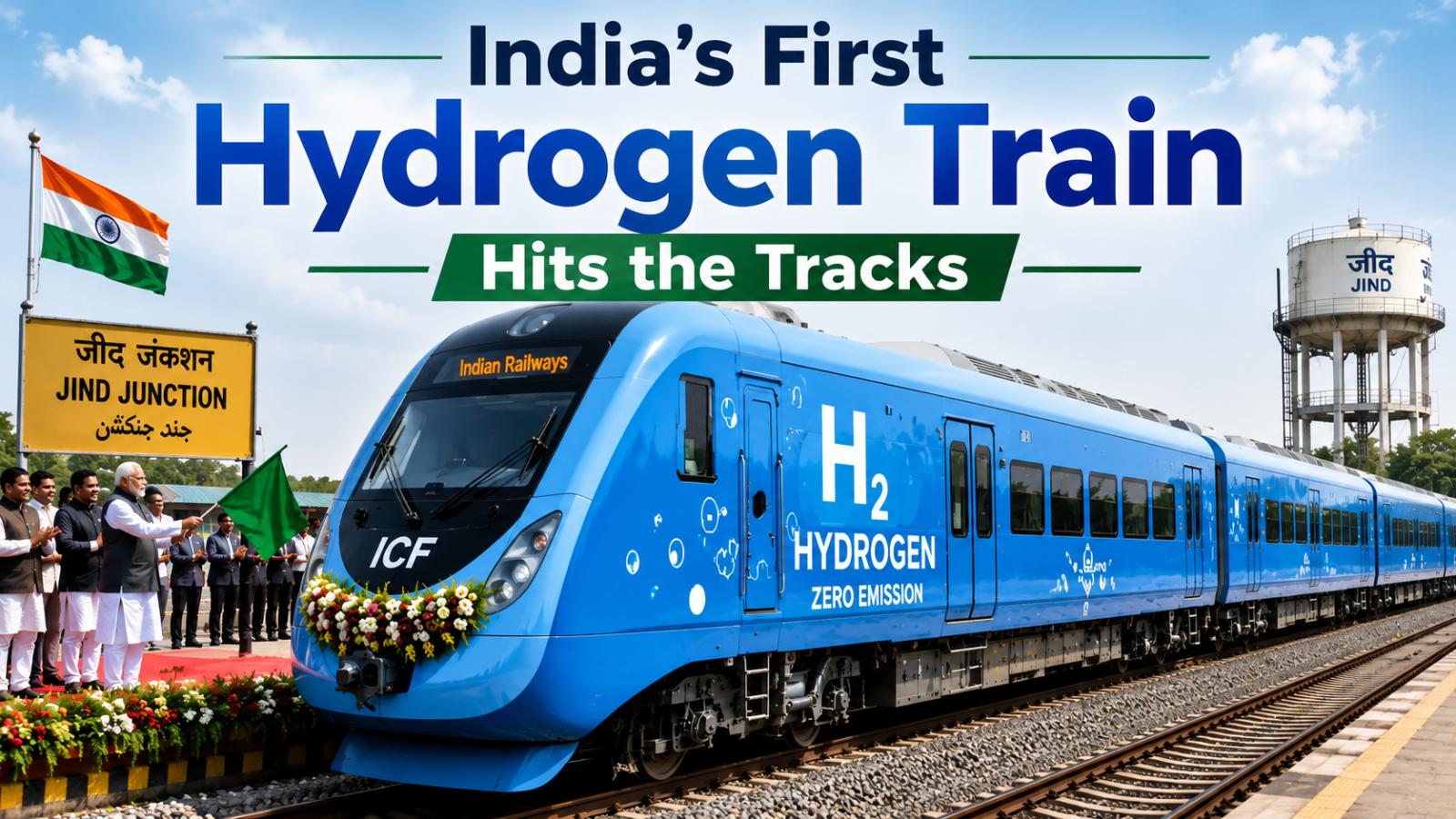
India’s first indigenously developed hydrogen-powered passenger train has begun operating on the Jind–Sonipat route in Haryana. Passengers searching for the Jind Sonipat hydrogen train timing can use the daily services numbered 74010 and 74009.
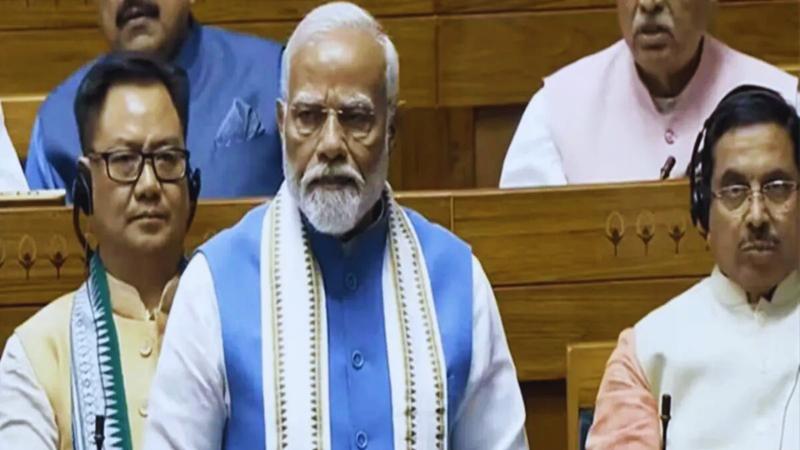
Prime Minister Narendra Modi flagged off the train at Jind railway station on July 17, 2026. The launch marks Indian Railways’ first operational use of hydrogen fuel-cell technology for passenger services and represents a significant step towards cleaner rail transportation.
Jind Sonipat Hydrogen Train Timing
Train number 74010 will operate from Jind to Sonipat. It is scheduled to depart from Jind at 7:40 am and arrive at Sonipat at 9:40 am, completing the journey in approximately two hours.
In the return direction, train number 74009 will depart from Sonipat at 10:40 am and reach Jind at 1:00 pm. The return journey will take approximately two hours and 20 minutes.
The hydrogen-powered rake is expected to operate daily on the route, providing regular connectivity between Jind and Sonipat.
Hydrogen Train Numbers and Schedule
Train 74010
Route: Jind to Sonipat
Departure from Jind: 7:40 am
Arrival at Sonipat: 9:40 am
Journey time: Approximately two hours
Train 74009
Route: Sonipat to Jind
Departure from Sonipat: 10:40 am
Arrival at Jind: 1:00 pm
Journey time: Approximately two hours and 20 minutes
Passengers should confirm the latest operational schedule through official railway enquiry services before planning their journey, as timings may be revised after the initial launch period.
Jind–Sonipat Hydrogen Train Route and Stops
The hydrogen train will cover the approximately 89-kilometre Jind–Sonipat section under Northern Railway’s Delhi Division.
Apart from Jind and Sonipat, the announced route includes intermediate halts at:
Jind City, Pandu Pindara, Lalit Khera, Bhambeva, Ishapur Kheri, Butana, Khandrai, Gohana, Rabhra, Lath, Mohana, Haryana, and Barwasni.
The route has been selected as a pilot section where Indian Railways can assess the operational performance, maintenance requirements, and long-term viability of hydrogen-powered trains.
What Is the Maximum Speed?
The Jind–Sonipat hydrogen train will operate at a maximum approved speed of 75 kmph. The train has a 10-coach configuration comprising two hydrogen-powered driving cars and eight passenger coaches.
Railway officials have described it as one of the longest and most powerful hydrogen passenger trainsets developed so far. The train is capable of carrying approximately 2,600 passengers at maximum capacity.
How Does India’s Hydrogen Train Work?
The train uses hydrogen fuel cells to generate electricity onboard. Hydrogen reacts with oxygen inside the fuel-cell system, producing electricity that powers the train’s propulsion equipment.
Water vapour is the only direct operational by-product of the fuel-cell reaction. This means the train does not release diesel exhaust or direct carbon emissions while running.
Hydrogen-powered trains can be particularly useful on railway sections where installing continuous overhead electrification infrastructure may be difficult or expensive. They can provide a cleaner alternative to diesel traction on such routes.
Hydrogen Refuelling Facility Established at Jind
An indigenous hydrogen storage and refuelling facility has been established at Jind to support the train. The Petroleum and Explosives Safety Organisation has granted the required licence for storing and dispensing compressed hydrogen gas at the facility.
Safety arrangements include hydrogen-leak detectors, flame detectors, standby compression equipment, continuous monitoring, and trained technical personnel. Specially trained staff are also expected to accompany the train during its initial operational phase.
Why the Hydrogen Train Launch Matters
The launch places India among a limited number of countries operating or testing hydrogen fuel-cell trains. It also allows Indian Railways to gather practical information about fuel consumption, passenger operations, refuelling, safety, and maintenance.
Experience from the Jind–Sonipat pilot route could help determine whether hydrogen technology should be introduced on additional non-electrified or heritage railway sections.
For passengers, the immediate benefit is a new daily service connecting Jind and Sonipat. For Indian Railways, it is an important test of whether hydrogen can become a practical cleaner alternative to diesel-powered trains.