Smart Home Technology Is Transforming Modern Living
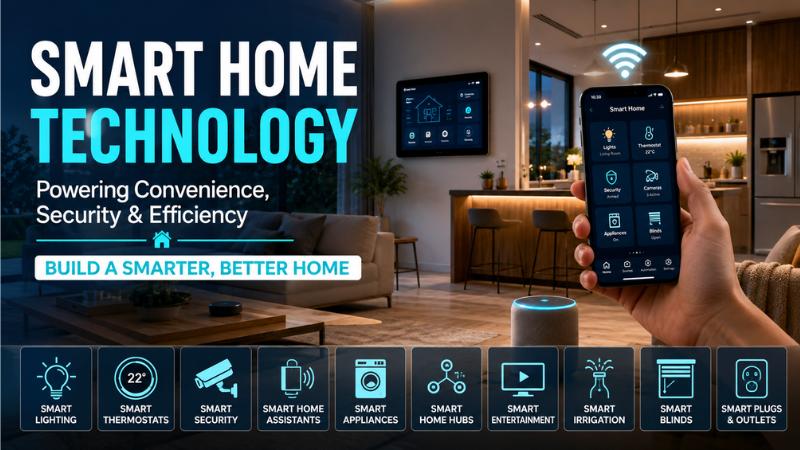
Smart home technology is rapidly changing how people manage and experience their homes. From voice-controlled assistants to intelligent security systems, modern smart devices are making homes more convenient, energy-efficient, and secure. Homeowners are increasingly adopting connected technologies that allow them to control lighting, temperature, entertainment, appliances, and security systems remotely through smartphones or voice commands. Experts believe smart homes are becoming an essential part of modern living as technology continues to simplify everyday tasks and improve comfort.
Smart Lighting
Smart lighting systems allow homeowners to control lights remotely using mobile apps or voice assistants. Popular systems such as Philips Hue and LIFX offer features like brightness control, color customization, and automated schedules. Users can turn lights on or off remotely, helping improve energy savings and home security while creating personalized lighting environments.
Smart Thermostats
Smart thermostats like Nest Thermostat and Ecobee automatically adjust indoor temperatures based on user habits and schedules. These devices help improve energy efficiency by reducing unnecessary heating or cooling. Remote access allows homeowners to control temperatures before arriving home while detailed energy reports help monitor power usage and reduce electricity costs.
Smart Security Systems
Modern smart security systems provide advanced home protection through motion detectors, video surveillance, smart locks, and instant smartphone alerts. Popular brands like Ring and SimpliSafe allow homeowners to monitor their properties remotely in real time. These systems improve safety while giving users greater control over home security even when they are away.
Smart Home Assistants
Voice-controlled assistants such as Amazon Echo, Google Home, and Apple HomePod serve as central hubs for managing smart devices. These assistants can play music, provide weather updates, answer questions, and control lighting or appliances through simple voice commands. Their growing popularity comes from the convenience they bring to daily routines and home automation.
Smart Appliances
Smart appliances are becoming increasingly common in modern homes. Refrigerators, ovens, and washing machines now include advanced remote-control features that simplify household tasks. Smart refrigerators can track food supplies and suggest recipes, while smart ovens allow users to preheat remotely. Washing machines can send notifications when laundry cycles are completed, helping save time and improve efficiency.
Smart Home Hubs
Smart home hubs such as Samsung SmartThings and Apple HomeKit connect multiple devices into one unified system. Homeowners can manage all connected devices through a single app and create automated routines. For example, a morning routine can automatically turn on lights, adjust room temperature, and start kitchen appliances simultaneously.
Smart Entertainment Systems
Entertainment systems have also become smarter with devices like Roku, Apple TV, Amazon Fire Stick, and Sonos speakers. Smart TVs and streaming devices provide easy access to online content while smart speakers deliver high-quality audio throughout multiple rooms. These technologies create immersive entertainment experiences while simplifying media control.
Smart Irrigation Systems
Smart irrigation systems such as Rachio and RainMachine use weather updates and soil moisture data to optimize watering schedules for gardens and lawns. These systems help reduce water waste while ensuring plants receive proper hydration, supporting eco-friendly and sustainable home maintenance practices.
Smart Blinds And Smart Plugs
Motorized blinds and curtains improve convenience and energy efficiency by automatically adjusting sunlight and indoor temperatures. Smart plugs and outlets allow traditional electronic devices to become remotely controllable through smartphone apps. Users can schedule power usage, turn appliances on or off remotely, and monitor electricity consumption throughout the home.
Experts believe smart home technology will continue expanding as homeowners seek better convenience, safety, and energy management solutions. The integration of connected devices is helping create more intelligent, efficient, and comfortable living spaces while simplifying everyday life.


 Joyful
0%
Joyful
0%
 Cool
0%
Cool
0%
 Thrilled
0%
Thrilled
0%
 Upset
0%
Upset
0%
 Unhappy
0%
Unhappy
0%