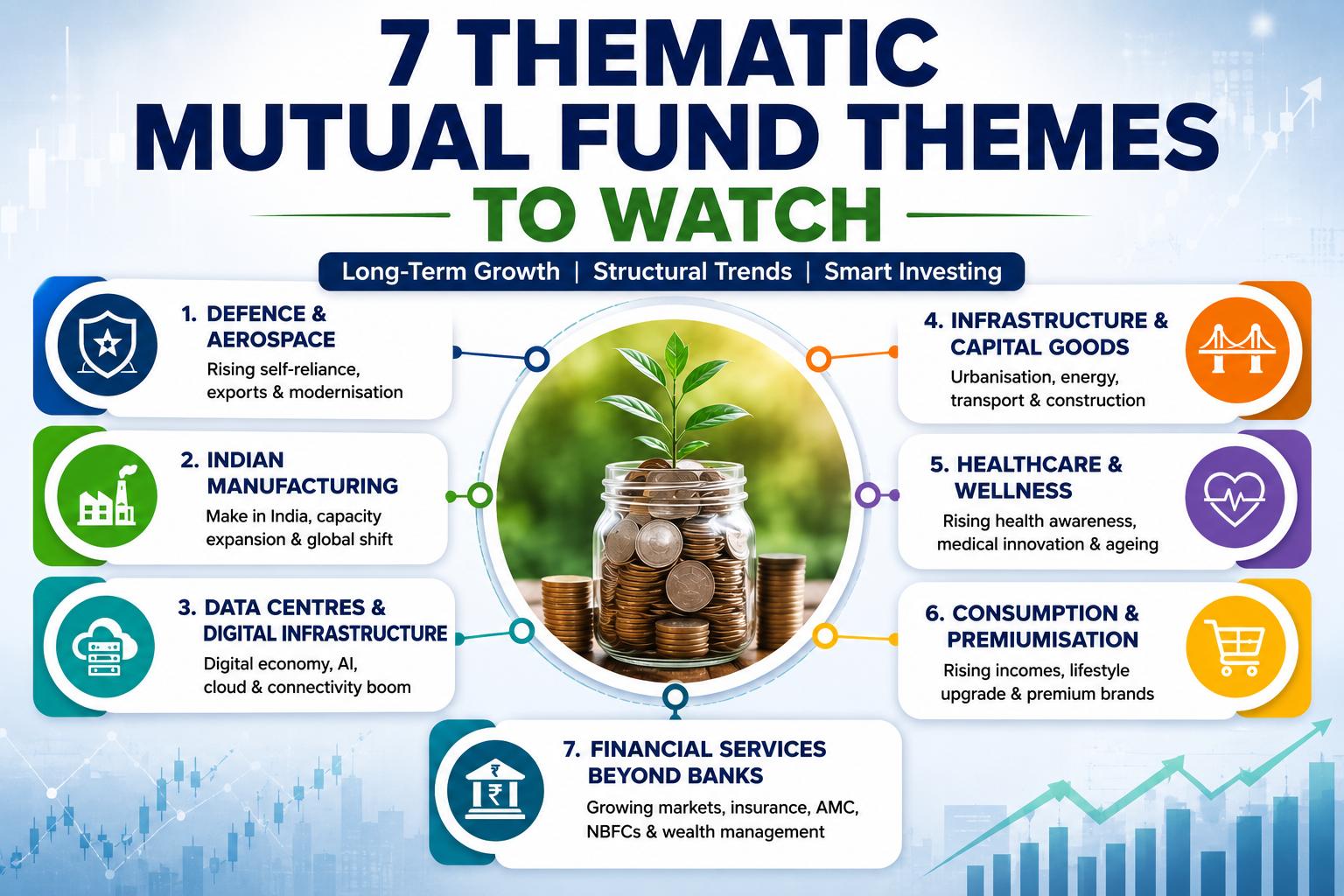


When it comes to building wealth in India, two investment options consistently dominate discussions — gold and mutual funds. For generations, gold has symbolized security, prosperity, and cultural significance, while mutual funds have emerged as a modern wealth-building tool powered by equity markets and professional management. But the pressing question for today’s investors is: which truly builds long-term wealth — gold or mutual funds?
The Emotional and Financial Power of Gold
Gold holds a special place in Indian households. Beyond being an investment, it represents tradition, safety, and status. During periods of economic uncertainty, inflation, or market volatility, investors often turn to gold as a “safe haven” asset. People invest in gold for its ability to protect against inflation, hedge during stock market crashes, provide high liquidity, hold cultural and emotional value, and diversify their portfolios.
Historically, gold has delivered moderate but relatively stable returns over long periods. It performs well during global crises and economic slowdowns. However, gold does not generate income through dividends or interest, and its long-term growth relies largely on price appreciation.
Mutual Funds: The Growth Engine
Mutual funds pool money from multiple investors and invest in equities, debt instruments, or a combination of both. Over the past two decades, equity mutual funds in India have significantly outperformed traditional assets over long investment horizons. Investors are drawn to mutual funds for their potential for higher long-term returns, professional fund management, the power of compounding, systematic investment plans (SIPs), and diversification across sectors and companies.
Equity mutual funds, in particular, have historically delivered double-digit annual returns over long periods. Compounding — where returns generate additional returns — gives mutual funds a strong edge in building substantial wealth over time.
Risk, Reward, and Inflation Considerations
Gold is generally considered low-to-moderate risk. It preserves wealth and purchasing power, but rarely multiplies it dramatically. Mutual funds, especially equity-oriented ones, carry higher volatility. Market fluctuations may result in short-term losses, but over long horizons of 10–15 years, equity investments consistently demonstrate superior wealth creation.
Inflation silently erodes purchasing power. Gold typically keeps pace with inflation, while equity mutual funds aim to outperform it, creating real growth in wealth. For investors seeking long-term financial independence, strategies that beat inflation are critical.
Liquidity, Tax Efficiency, and Portfolio Strategy
Gold investments — whether physical gold, ETFs, or sovereign gold bonds — are relatively liquid but may attract capital gains tax depending on the holding period. Mutual funds offer tax-efficient structures, particularly long-term equity funds. Systematic withdrawals, indexation benefits in debt funds, and lower long-term capital gains taxes make mutual funds attractive for structured financial planning.
Smart investors rarely rely on a single option. Instead, they allocate assets strategically, often recommending a mix of 5–15% in gold for stability and the majority in equity mutual funds for growth. Gold cushions volatility, while mutual funds build wealth. The right balance depends on age, risk tolerance, financial goals, and investment horizon.
Choosing the Right Investment
Gold may be suitable if you prefer stability over volatility, are nearing retirement, or want a hedge against economic uncertainty. Mutual funds are ideal for those with long-term goals of 10+ years, tolerance for short-term market fluctuations, and a desire to build significant wealth.
Ultimately, if the goal is preserving wealth, gold plays a valuable role. If the goal is creating wealth, mutual funds — particularly equity funds — have historically delivered superior results. The most effective strategy is not about picking sides; it is about balancing protection and growth.
In today’s dynamic financial environment, disciplined investing, a long-term vision, and thoughtful asset allocation matter far more than simply choosing gold or mutual funds. The question is no longer gold vs mutual funds. The real question is whether you are investing with clarity, consistency, and a well-defined long-term plan
Note: The content here is meant solely for learning and informational purposes and does not constitute financial advice.