
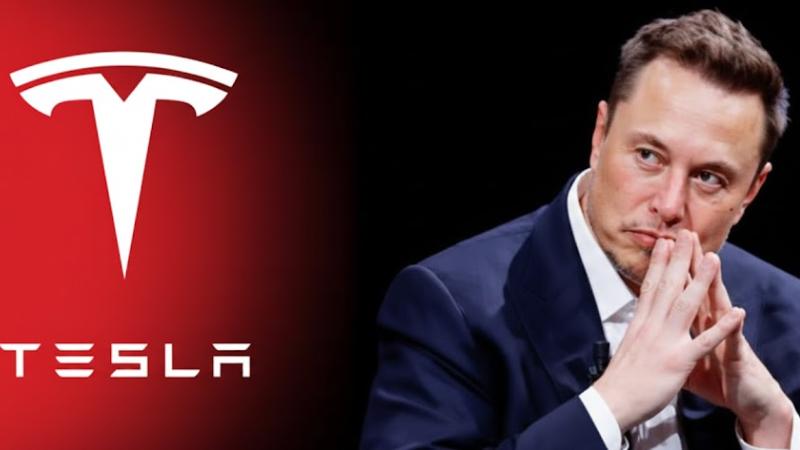
The compensation structure of Elon Musk at Tesla has long been one of the most discussed executive pay models in corporate history. Unlike traditional salary-based packages, Musk’s earnings are closely linked to performance milestones — and those milestones are now deeply connected to artificial intelligence, robotics, and electric vehicle expansion.
Tesla’s long-term strategy goes far beyond selling electric cars. The company is positioning itself as a global leader in AI-driven automation, autonomous driving systems, humanoid robotics, and large-scale energy solutions. Musk’s pay structure reflects this vision. Instead of fixed compensation, his rewards are triggered by achieving ambitious market capitalization targets, revenue benchmarks, and operational goals.
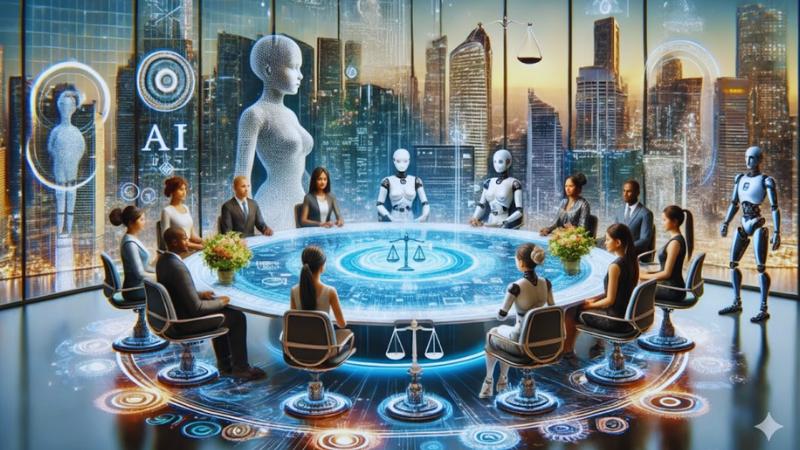
Artificial intelligence plays a central role in Tesla’s growth roadmap. The company’s Full Self-Driving (FSD) technology relies on advanced neural networks and machine learning systems trained on vast amounts of real-world driving data. Tesla is investing heavily in AI infrastructure, including custom-built supercomputers designed to accelerate autonomous driving capabilities. The success of these systems could redefine transportation and significantly boost the company’s valuation.
Beyond AI software, Tesla is expanding into robotics with projects such as humanoid robots aimed at industrial and commercial applications. These developments indicate that Tesla’s identity is evolving from an electric vehicle manufacturer to a broader technology and automation company. Musk’s compensation incentives are structured around achieving transformational growth in these advanced sectors.
Electric mobility remains the foundation of Tesla’s business model. As global demand for sustainable transportation increases, Tesla continues expanding manufacturing capacity, battery innovation, and global market reach. The company’s dominance in EV technology is a critical driver of its financial performance, directly influencing valuation milestones tied to Musk’s reward structure.
Critics argue that such aggressive performance-based compensation packages create high-pressure growth expectations. Supporters, however, believe that linking executive pay to long-term shareholder value aligns leadership interests with investor goals. Musk’s compensation model reflects a high-risk, high-reward philosophy — one that mirrors Tesla’s ambitious expansion into AI and automation.
The broader implication of this pay structure is clear: Tesla’s future depends not only on selling electric cars but on pioneering advanced technologies that could redefine industries. If Tesla succeeds in scaling AI-driven mobility and robotics, the financial upside could be enormous. If growth targets fall short, the reward structure offers no guaranteed payout.
Musk’s compensation plan ultimately signals confidence in extreme innovation-driven expansion. The company’s direction suggests that AI development, robotics integration, and electric mobility leadership are not side projects — they are central to Tesla’s long-term value creation strategy.
As global competition intensifies in artificial intelligence and clean energy, the outcome of this bold performance-linked model may shape not only Tesla’s future but also the evolving relationship between executive pay and technological ambition.