

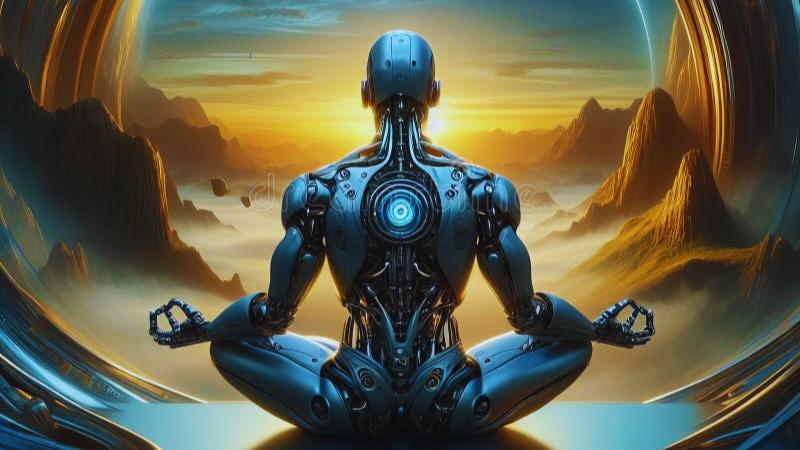
As technology continues to evolve at a rapid pace, many are asking profound questions about its impact on traditional cultures and values. In India, a country rich in spiritual and philosophical heritage, there is growing concern about the potential consequences of robotics and artificial intelligence (AI) on its deeply rooted spiritual practices. The question that arises is: Will Indian spiritual values be lost in a robotic future?
The Role of Spirituality in Indian Culture
India's spiritual values are woven into the very fabric of its culture. For centuries, the teachings of the Vedas, Upanishads, Bhagavad Gita, and other ancient texts have guided the lives of millions of Indians. The essence of these teachings emphasizes the importance of self-realization, compassion, service to others, mindfulness, and non-attachment. These values are often passed down through personal experience, community teachings, and a deep connection with nature, rather than through technology.
In a rapidly digitalizing world, there is concern that younger generations may become disconnected from these profound teachings, turning to technology for solutions to life's challenges instead of relying on spiritual practices like meditation, prayer, and introspection.
The Rise of Robotics and AI: A Double-Edged Sword
Robots and AI have revolutionized many aspects of modern life, from healthcare to education, and even spiritual practice. Robotic assistants are increasingly being used in temples to assist with rituals, and AI-based meditation apps are helping individuals with mindfulness practices. On the surface, these advancements may seem like ways to enhance spiritual engagement, making practices more accessible, efficient, and even personalized. But is this integration of technology a positive shift, or is it diluting the essence of spirituality?
Pros of Technology in Spirituality:
- Increased Access: AI and robots can help make spiritual teachings more accessible to people around the world. With apps, online courses, and virtual meditation coaches, individuals can connect with spiritual wisdom without geographical limitations.
- Consistency in Practice: Spiritual practices such as meditation and prayer require consistency and discipline. Robots and AI systems can help guide individuals through these practices regularly, offering reminders and personalized coaching to help them stay on track.
- Innovative Rituals: In some temples and spiritual centers, robots and AI are used to perform rituals and prayers. For instance, some temples in India have deployed robotic priests to perform services for those unable to attend in person.
- Personalized Spiritual Guidance: AI-powered chatbots can offer personalized spiritual advice based on a person's needs, struggles, and aspirations, potentially making spiritual guidance more available to people.
Cons of Technology in Spirituality:
- Loss of Human Connection: One of the core aspects of Indian spirituality is the guru-disciple relationship, where the transmission of knowledge happens through personal interaction and experience. With robots and AI, this deep human connection may be lost, making spirituality a more transactional and less experiential practice.
- Shallow Engagement: While AI can guide you through meditation, it cannot offer the deep, transformative experiences that come from years of dedicated practice and self-reflection. Spiritual growth is not just about acquiring knowledge—it’s about living that knowledge, and that process cannot be fully replicated by technology.
- Over-reliance on Technology: There is the risk of over-relying on technology for spiritual growth, which could lead individuals to abandon traditional practices that encourage self-discipline, reflection, and community involvement. The essence of spirituality—seeking answers within oneself—cannot be outsourced to machines.
- Commercialization of Spirituality: With the rise of AI-driven spiritual tools, there is a risk of commodifying spiritual experiences. Spiritual practices may become packaged into products and services, stripping them of their deeper meaning and turning them into profit-driven industries.
The Need for a Balance: Technology and Spirituality
While robots and AI have undeniable benefits, especially in making spiritual teachings more accessible, it’s crucial to find a balance between technology and tradition. Spirituality, particularly in the Indian context, has always been about personal experience, community involvement, and inner reflection. These values are at risk if we allow technology to overshadow the human aspects of spiritual growth.
It is important for spiritual communities to remain rooted in their traditions while embracing technology in ways that enhance and not replace personal practice. Technology should act as an enabler, not a replacement for the deep, transformative processes that come from human connection, reflection, and introspection.
Embracing Technology with Wisdom
In the robotic future, Indian spiritual values need not be lost; instead, they can evolve. Technology, when used wisely, can be a tool for preserving and enhancing spiritual teachings. It can provide individuals with the resources and guidance they need to practice spirituality more efficiently, while still respecting the importance of personal growth, mentorship, and community.
However, we must remain mindful of the fact that spirituality is ultimately a personal journey—a journey that requires introspection, self-awareness, and a deep connection with one's inner self. These qualities cannot be programmed or automated by robots.
The Future of Spirituality in a Robotic World
The future of Indian spirituality in a robotic world is not one of conflict, but one of integration. While technology can provide valuable tools for learning and practicing spirituality, the core values of self-realization, compassion, and mindfulness must remain grounded in human experience. In this way, spirituality can continue to thrive and adapt, offering wisdom to future generations while ensuring that traditional practices are not lost in the face of advancing technology.
In the end, robots and AI can assist in the spiritual journey, but they cannot replace the human heart and mind's quest for truth, inner peace, and spiritual growth.