Indian Cinema Among Hardest Hit as Trump Imposes 100% Movie Tariff
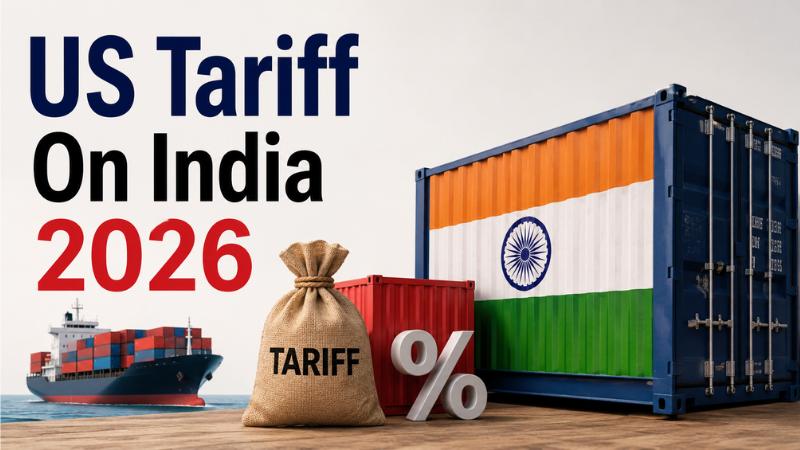
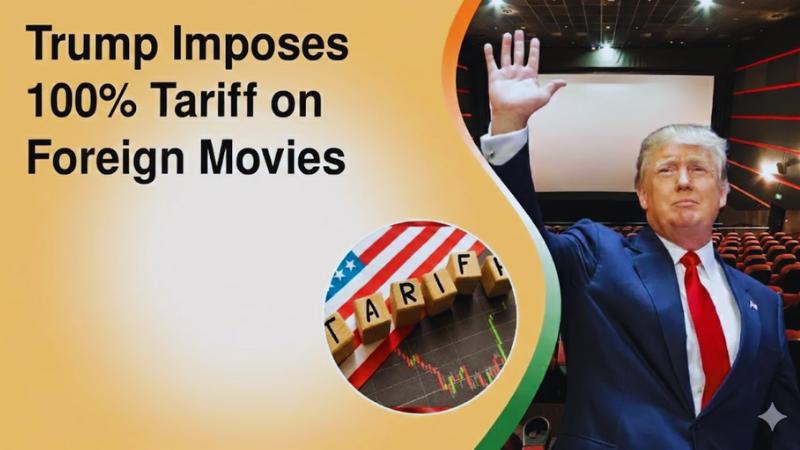
The global entertainment industry is facing significant uncertainty after Donald Trump announced a 100% tariff on foreign films entering the United States. The decision, aimed at strengthening domestic production and protecting American studios from overseas competition, has created serious concerns across international film markets. Among the industries most affected is Indian cinema, which has built a strong and profitable presence in the U.S. over the past two decades. What the 100% Tariff Means for Foreign Films A 100% tariff effectively doubles the import cost of films produced outside the United States. This means that distributors bringing foreign-language or international movies into the American market would need to pay an additional amount equal to the film’s value. As a result, distribution expenses, licensing fees, and theatrical release costs would increase dramatically. Such a move is expected to discourage American exhibitors from screening foreign films unless they are guaranteed to be commercially successful. Smaller productions, independent films, and regional language movies would find it particularly difficult to sustain U.S. releases under the new financial burden. The policy is being viewed by many as a protectionist measure designed to promote American-made content while limiting foreign competition. Why Indian Cinema Is Especially Vulnerable Indian cinema has a substantial presence in the United States, largely due to the large and engaged Indian diaspora. Cities like New York, Dallas, San Francisco, Chicago, and New Jersey consistently record strong box office numbers for major Hindi, Telugu, Tamil, and Malayalam releases. In recent years, several Indian blockbusters have earned millions of dollars in North America within their opening weekends. Overseas revenue from the U.S. often contributes significantly to the total earnings of big-budget Indian films. For many productions, international collections help recover high production and marketing costs. If tariffs double the financial obligations for distributors, fewer Indian films may secure wide theatrical releases. Ticket prices could rise, reducing audience turnout and overall profitability. Regional film industries, which have recently expanded their international reach, may suffer even more. Telugu and Tamil films, for example, have gained strong overseas fan bases, but not every release guarantees a blockbuster performance. Increased financial risk may discourage distributors from acquiring rights to mid-budget or experimental projects. Impact on Production Houses and Distributors Indian production houses frequently rely on overseas distribution agreements to balance budgets and plan future projects. A steep tariff could force distributors to renegotiate contracts or demand lower acquisition costs from producers. This may ultimately reduce profit margins for filmmakers and investors. Independent distributors in the United States who specialize in screening Indian and other foreign-language films could struggle to absorb the additional expenses. Smaller theater chains catering to diaspora communities might cut back on the number of releases or limit screenings to major star-driven projects. As a result, diversity in theatrical programming may decline. Streaming platforms could also face complications if similar tariff principles extend to digital content licensing. Indian producers who depend on global streaming deals for revenue may encounter delays, renegotiations, or reduced valuations for their films. Broader Consequences for the Global Film Industry The film industry operates within a complex network of international co-productions, distribution partnerships, and cross-border investments. A unilateral tariff of this magnitude could strain cultural and trade relations between countries. Nations with strong film export industries may interpret the move as a trade barrier rather than a cultural policy. Film festivals, collaborative projects, and joint ventures between Hollywood and international studios could face uncertainty if market access becomes restricted. Producers might attempt to diversify into alternative territories such as Europe, the Middle East, Australia, and Southeast Asia, but replacing the revenue potential of the U.S. market would be challenging. Audience and Industry Response Indian audiences in the United States have long treated film releases as major cultural events. If ticket prices increase significantly due to tariff-related costs, some viewers may shift toward online streaming options or delay watching films until digital releases. This change in consumption patterns could affect theatrical revenues worldwide. Industry bodies in India are closely monitoring developments and may seek diplomatic discussions to address cultural trade concerns. Producers and trade analysts are evaluating new strategies, including a stronger focus on domestic markets, expanded regional distribution, and innovative release models to offset potential losses in North America. The introduction of a 100% movie tariff marks a turning point for international film trade, with Indian cinema positioned among the industries most exposed to financial and strategic consequences.

Indian Cinema Among Hardest Hit as Trump Imposes 100% Movie Tariff
The global entertainment industry is facing significant uncertainty after Donald Trump announced a 100% tariff on foreign films entering the United States. The decision, aimed at strengthening domestic production and protecting American studios from overseas competition, has created serious concerns across international film markets. Among the industries most affected is Indian cinema, which has built a strong and profitable presence in the U.S. over the past two decades. What the 100% Tariff Means for Foreign Films A 100% tariff effectively doubles the import cost of films produced outside the United States. This means that distributors bringing foreign-language or international movies into the American market would need to pay an additional amount equal to the film’s value. As a result, distribution expenses, licensing fees, and theatrical release costs would increase dramatically. Such a move is expected to discourage American exhibitors from screening foreign films unless they are guaranteed to be commercially successful. Smaller productions, independent films, and regional language movies would find it particularly difficult to sustain U.S. releases under the new financial burden. The policy is being viewed by many as a protectionist measure designed to promote American-made content while limiting foreign competition. Why Indian Cinema Is Especially Vulnerable Indian cinema has a substantial presence in the United States, largely due to the large and engaged Indian diaspora. Cities like New York, Dallas, San Francisco, Chicago, and New Jersey consistently record strong box office numbers for major Hindi, Telugu, Tamil, and Malayalam releases. In recent years, several Indian blockbusters have earned millions of dollars in North America within their opening weekends. Overseas revenue from the U.S. often contributes significantly to the total earnings of big-budget Indian films. For many productions, international collections help recover high production and marketing costs. If tariffs double the financial obligations for distributors, fewer Indian films may secure wide theatrical releases. Ticket prices could rise, reducing audience turnout and overall profitability. Regional film industries, which have recently expanded their international reach, may suffer even more. Telugu and Tamil films, for example, have gained strong overseas fan bases, but not every release guarantees a blockbuster performance. Increased financial risk may discourage distributors from acquiring rights to mid-budget or experimental projects. Impact on Production Houses and Distributors Indian production houses frequently rely on overseas distribution agreements to balance budgets and plan future projects. A steep tariff could force distributors to renegotiate contracts or demand lower acquisition costs from producers. This may ultimately reduce profit margins for filmmakers and investors. Independent distributors in the United States who specialize in screening Indian and other foreign-language films could struggle to absorb the additional expenses. Smaller theater chains catering to diaspora communities might cut back on the number of releases or limit screenings to major star-driven projects. As a result, diversity in theatrical programming may decline. Streaming platforms could also face complications if similar tariff principles extend to digital content licensing. Indian producers who depend on global streaming deals for revenue may encounter delays, renegotiations, or reduced valuations for their films. Broader Consequences for the Global Film Industry The film industry operates within a complex network of international co-productions, distribution partnerships, and cross-border investments. A unilateral tariff of this magnitude could strain cultural and trade relations between countries. Nations with strong film export industries may interpret the move as a trade barrier rather than a cultural policy. Film festivals, collaborative projects, and joint ventures between Hollywood and international studios could face uncertainty if market access becomes restricted. Producers might attempt to diversify into alternative territories such as Europe, the Middle East, Australia, and Southeast Asia, but replacing the revenue potential of the U.S. market would be challenging. Audience and Industry Response Indian audiences in the United States have long treated film releases as major cultural events. If ticket prices increase significantly due to tariff-related costs, some viewers may shift toward online streaming options or delay watching films until digital releases. This change in consumption patterns could affect theatrical revenues worldwide. Industry bodies in India are closely monitoring developments and may seek diplomatic discussions to address cultural trade concerns. Producers and trade analysts are evaluating new strategies, including a stronger focus on domestic markets, expanded regional distribution, and innovative release models to offset potential losses in North America. The introduction of a 100% movie tariff marks a turning point for international film trade, with Indian cinema positioned among the industries most exposed to financial and strategic consequences.
Reliance Unveils Massive 1 GW AI Infrastructure Plan in Andhra Pradesh
In a significant development for India’s digital economy, Reliance Industries has announced plans to establish a massive 1 gigawatt AI-powered data infrastructure project in Andhra Pradesh. The move signals a strong push toward strengthening India’s artificial intelligence capabilities while positioning the state as a fast-emerging technology hub. The announcement comes at a time when global demand for AI computing power, cloud services, and advanced data processing facilities is growing rapidly. With this large-scale infrastructure commitment, Reliance aims to build one of the most powerful AI-focused data ecosystems in the country. Strengthening India’s AI and Digital Ecosystem Artificial intelligence requires enormous computing capacity, energy supply, and high-speed connectivity. A 1 GW data infrastructure project represents a significant scale of operation, capable of supporting AI research, machine learning workloads, enterprise cloud services, and large-scale digital platforms. Reliance’s investment is expected to enhance India’s ability to host AI models domestically, reducing dependence on overseas data infrastructure. This move aligns with India’s broader digital transformation strategy and ambition to become a global leader in artificial intelligence and advanced technologies. Andhra Pradesh, with its expanding industrial base, coastal connectivity, and proactive policy framework, has been positioning itself as a preferred destination for technology infrastructure projects. The state’s growing appeal among global and domestic investors reflects its focus on future-ready sectors such as AI, renewable energy, and digital services. Economic and Employment Impact Large-scale AI data centers create significant economic ripple effects. Construction, power infrastructure, cooling systems, fiber connectivity, cybersecurity services, and facility management all contribute to job creation and industrial growth. The project is expected to generate direct and indirect employment opportunities across technical and non-technical sectors. In addition to employment, such infrastructure attracts startups, SaaS companies, fintech firms, and cloud-driven enterprises that rely on strong computing capabilities. The presence of hyperscale AI infrastructure can accelerate innovation ecosystems and strengthen the region’s reputation as a technology destination. Energy, Sustainability, and Future Expansion A 1 GW facility requires robust power management and sustainable energy integration. With India increasing its renewable energy capacity, integrating clean power sources into data center operations will be crucial for long-term sustainability. Reliance’s broader focus on energy transition and digital expansion suggests that sustainability considerations will likely play a role in the project’s design. The infrastructure plan also reflects a larger strategic vision. AI is rapidly transforming industries including healthcare, finance, manufacturing, logistics, and telecommunications. By investing heavily in AI computing infrastructure, Reliance is positioning itself at the center of this technological shift. Andhra Pradesh’s Rising Tech Profile With multiple large-scale technology investments flowing into the state, Andhra Pradesh is emerging as a strong contender in India’s evolving tech landscape. The addition of a 1 GW AI infrastructure project strengthens its ambition to become a leading digital and data hub. Reliance’s announcement signals confidence in the state’s potential and in India’s expanding AI market. As artificial intelligence becomes increasingly central to economic growth and innovation, infrastructure investments of this scale may redefine regional competitiveness. The coming years will determine how effectively this ambitious AI infrastructure plan translates into innovation, job creation, and technological leadership. What is clear is that Andhra Pradesh is rapidly positioning itself as a significant player in India’s digital future.


Reliance Unveils Massive 1 GW AI Infrastructure Plan in Andhra Pradesh
In a significant development for India’s digital economy, Reliance Industries has announced plans to establish a massive 1 gigawatt AI-powered data infrastructure project in Andhra Pradesh. The move signals a strong push toward strengthening India’s artificial intelligence capabilities while positioning the state as a fast-emerging technology hub. The announcement comes at a time when global demand for AI computing power, cloud services, and advanced data processing facilities is growing rapidly. With this large-scale infrastructure commitment, Reliance aims to build one of the most powerful AI-focused data ecosystems in the country. Strengthening India’s AI and Digital Ecosystem Artificial intelligence requires enormous computing capacity, energy supply, and high-speed connectivity. A 1 GW data infrastructure project represents a significant scale of operation, capable of supporting AI research, machine learning workloads, enterprise cloud services, and large-scale digital platforms. Reliance’s investment is expected to enhance India’s ability to host AI models domestically, reducing dependence on overseas data infrastructure. This move aligns with India’s broader digital transformation strategy and ambition to become a global leader in artificial intelligence and advanced technologies. Andhra Pradesh, with its expanding industrial base, coastal connectivity, and proactive policy framework, has been positioning itself as a preferred destination for technology infrastructure projects. The state’s growing appeal among global and domestic investors reflects its focus on future-ready sectors such as AI, renewable energy, and digital services. Economic and Employment Impact Large-scale AI data centers create significant economic ripple effects. Construction, power infrastructure, cooling systems, fiber connectivity, cybersecurity services, and facility management all contribute to job creation and industrial growth. The project is expected to generate direct and indirect employment opportunities across technical and non-technical sectors. In addition to employment, such infrastructure attracts startups, SaaS companies, fintech firms, and cloud-driven enterprises that rely on strong computing capabilities. The presence of hyperscale AI infrastructure can accelerate innovation ecosystems and strengthen the region’s reputation as a technology destination. Energy, Sustainability, and Future Expansion A 1 GW facility requires robust power management and sustainable energy integration. With India increasing its renewable energy capacity, integrating clean power sources into data center operations will be crucial for long-term sustainability. Reliance’s broader focus on energy transition and digital expansion suggests that sustainability considerations will likely play a role in the project’s design. The infrastructure plan also reflects a larger strategic vision. AI is rapidly transforming industries including healthcare, finance, manufacturing, logistics, and telecommunications. By investing heavily in AI computing infrastructure, Reliance is positioning itself at the center of this technological shift. Andhra Pradesh’s Rising Tech Profile With multiple large-scale technology investments flowing into the state, Andhra Pradesh is emerging as a strong contender in India’s evolving tech landscape. The addition of a 1 GW AI infrastructure project strengthens its ambition to become a leading digital and data hub. Reliance’s announcement signals confidence in the state’s potential and in India’s expanding AI market. As artificial intelligence becomes increasingly central to economic growth and innovation, infrastructure investments of this scale may redefine regional competitiveness. The coming years will determine how effectively this ambitious AI infrastructure plan translates into innovation, job creation, and technological leadership. What is clear is that Andhra Pradesh is rapidly positioning itself as a significant player in India’s digital future.
Berlin airport shut due to black ice, flights canceled amid severe winter weather
Berlin’s primary international airport remained shut on Friday after severe winter weather created dangerous layers of black ice across runways and taxiways, forcing authorities to suspend flight operations and leaving thousands of passengers stranded. The closure disrupted departures and arrivals across Germany and impacted several international routes, including those used by Indian travellers connecting through European hubs. Airport officials said persistent freezing rain and
Berlin airport shut due to black ice, flights canceled amid severe winter weather
Berlin’s primary international airport remained shut on Friday after severe winter weather created dangerous layers of black ice across runways and taxiways, forcing authorities to suspend flight operations and leaving thousands of passengers stranded. The closure disrupted departures and arrivals across Germany and impacted several international routes, including those used by Indian travellers connecting through European hubs. Airport officials said persistent freezing rain and
Kremlin questions India’s Russian oil halt claim after new U.S. trade agreement
Russia has said it has not received any formal communication from India indicating that the country plans to stop purchasing Russian oil, casting doubt on recent claims by U.S. President Donald Trump that New Delhi had agreed to halt such imports as part of a new trade agreement with Washington. Kremlin spokesperson Dmitry Peskov stated that Moscow has yet to hear any official statement from the Indian government suggesting that energy flows between the two countries are being curtail
Kremlin questions India’s Russian oil halt claim after new U.S. trade agreement
Russia has said it has not received any formal communication from India indicating that the country plans to stop purchasing Russian oil, casting doubt on recent claims by U.S. President Donald Trump that New Delhi had agreed to halt such imports as part of a new trade agreement with Washington. Kremlin spokesperson Dmitry Peskov stated that Moscow has yet to hear any official statement from the Indian government suggesting that energy flows between the two countries are being curtail