













Nirmala Sitharaman Announces 4 Special Lok Adalats for DRT, DRAT Cases in 2026
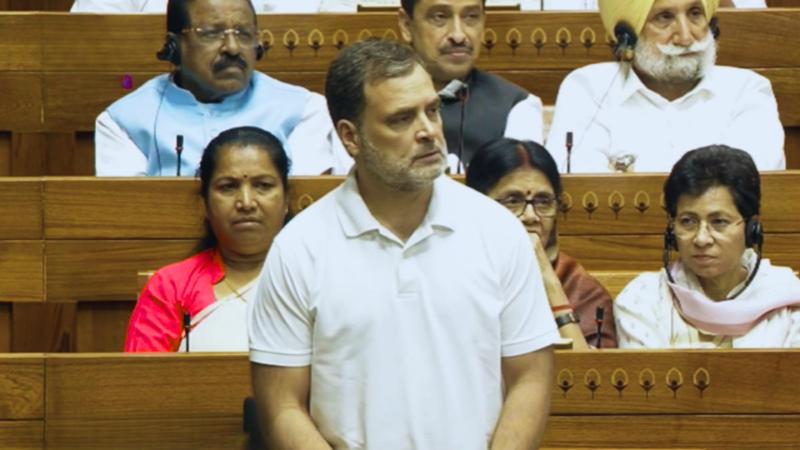
Union Finance Minister Nirmala Sitharaman on Monday announced that four special Lok Adalats will be conducted in 2026 to expedite the disposal of pending cases before the Debt Recovery Tribunals (DRTs) and Debt Recovery Appellate Tribunals (DRATs). A significant number of these cases involve high-value claims exceeding ₹100 crore and have remained unresolved for an extended period, prompting the government to take steps to accelerate the judicial process. Responding in the Lok Sab
Nirmala Sitharaman Announces 4 Special Lok Adalats for DRT, DRAT Cases in 2026
Union Finance Minister Nirmala Sitharaman on Monday announced that four special Lok Adalats will be conducted in 2026 to expedite the disposal of pending cases before the Debt Recovery Tribunals (DRTs) and Debt Recovery Appellate Tribunals (DRATs). A significant number of these cases involve high-value claims exceeding ₹100 crore and have remained unresolved for an extended period, prompting the government to take steps to accelerate the judicial process. Responding in the Lok Sab
Supriya Sule Confirms NCP (SP) Won’t Challenge Sunetra Vahini in Baramati Bypoll
NCP (SP) working president Supriya Sule on Monday announced that her party will not contest the upcoming Baramati Assembly bypoll, scheduled for April 23, 2026. The by-election was necessitated following the tragic demise of senior NCP leader Ajit Pawar in a plane crash earlier this year. Sule, who retained the Baramati parliamentary seat in the 2024 Lok Sabha elections, stated that the NCP (SP) would not field a candidate against Sunetra Vahini, who is expected to contest the bypol
Supriya Sule Confirms NCP (SP) Won’t Challenge Sunetra Vahini in Baramati Bypoll
NCP (SP) working president Supriya Sule on Monday announced that her party will not contest the upcoming Baramati Assembly bypoll, scheduled for April 23, 2026. The by-election was necessitated following the tragic demise of senior NCP leader Ajit Pawar in a plane crash earlier this year. Sule, who retained the Baramati parliamentary seat in the 2024 Lok Sabha elections, stated that the NCP (SP) would not field a candidate against Sunetra Vahini, who is expected to contest the bypol
Rajya Sabha Elections 2026: Voting Begins Today, Key Contests in Three States
The biennial elections to the Rajya Sabha are underway today, March 16, 2026, to fill 37 seats across 10 states. Voting began at 9 am, with the counting of votes scheduled for later in the day at 5 pm. The seats vacated by members from states such as Maharashtra, Odisha, Tamil Nadu, West Bengal, Assam, Bihar, Chhattisgarh, Haryana, Himachal Pradesh, and Telangana will be filled during this election. Out of the 37 seats, 26 candidates have already been elected unopposed, including me
Rajya Sabha Elections 2026: Voting Begins Today, Key Contests in Three States
The biennial elections to the Rajya Sabha are underway today, March 16, 2026, to fill 37 seats across 10 states. Voting began at 9 am, with the counting of votes scheduled for later in the day at 5 pm. The seats vacated by members from states such as Maharashtra, Odisha, Tamil Nadu, West Bengal, Assam, Bihar, Chhattisgarh, Haryana, Himachal Pradesh, and Telangana will be filled during this election. Out of the 37 seats, 26 candidates have already been elected unopposed, including me
AP Chief Minister N. Chandrababu Naidu to Address Iftar Gathering Today
Andhra Pradesh Chief Minister N. Chandrababu Naidu will attend the state-level government Iftar program today, held in Vijayawada as part of the ongoing Ramadan celebrations. The venue for the event has been shifted from the originally scheduled A1 Convention Centre to the A-Plus Convention Centre, as per the directions of the state government. Authorities have informed religious leaders, Muslim community members, and public representatives about this change, urging them to attend the program at the new location. The Iftar event is expected to bring together thousands of attendees, further promoting unity among the diverse communities in the state. Chief Minister Naidu has been a consistent participant in Iftar gatherings for the past 40 years, extending his warm invitation to the community. In his message, Naidu emphasized the significance of Ramadan, describing it as a month that represents discipline, charity, and spiritual reflection. He highlighted his deep respect for the Muslim community's devotion during this holy month, noting their commitment to fasting and spiritual practices. "I deeply respect the devotion of my Muslim brothers who observe strict fasting during this holy month," said Naidu, reinforcing the importance of interfaith unity and mutual respect. Ahead of the celebrations, NTR district collector Dr. G. Lakshmisha chaired a review meeting with various department officials to ensure all necessary arrangements for the event. The collector instructed officials to make provisions for parking, traffic regulation, security, sanitation, uninterrupted power supply, safe drinking water, temporary toilets, and adequate seating for guests. Vijayawada MP Kesineni Sivanath (Chinni) also played a crucial role in coordinating the event by meeting with Muslim community leaders and officials to ensure the smooth execution of the program. Sivanath praised CM Naidu for his consistent support of Muslim minorities and his longstanding tradition of hosting Iftar events during Ramadan, whether in power or not. He emphasized that the participation of thousands of Muslims is expected at the Iftar event, Namaz, and dinner, which will commence at 5 p.m. The event will be attended by a broad spectrum of the community, including Muslim religious leaders, officials from the Andhra Pradesh Wakf Board, the Minority Welfare Department, and other stakeholders. This gathering not only showcases the state's commitment to the Muslim community but also serves as a platform for fostering interfaith dialogue, promoting peace, and enhancing social cohesion. The Iftar event reflects the government's dedication to building a united and harmonious society, where people of all faiths can come together to celebrate the values of charity, reflection, and mutual respect.
AP Chief Minister N. Chandrababu Naidu to Address Iftar Gathering Today
Andhra Pradesh Chief Minister N. Chandrababu Naidu will attend the state-level government Iftar program today, held in Vijayawada as part of the ongoing Ramadan celebrations. The venue for the event has been shifted from the originally scheduled A1 Convention Centre to the A-Plus Convention Centre, as per the directions of the state government. Authorities have informed religious leaders, Muslim community members, and public representatives about this change, urging them to attend the program at the new location. The Iftar event is expected to bring together thousands of attendees, further promoting unity among the diverse communities in the state. Chief Minister Naidu has been a consistent participant in Iftar gatherings for the past 40 years, extending his warm invitation to the community. In his message, Naidu emphasized the significance of Ramadan, describing it as a month that represents discipline, charity, and spiritual reflection. He highlighted his deep respect for the Muslim community's devotion during this holy month, noting their commitment to fasting and spiritual practices. "I deeply respect the devotion of my Muslim brothers who observe strict fasting during this holy month," said Naidu, reinforcing the importance of interfaith unity and mutual respect. Ahead of the celebrations, NTR district collector Dr. G. Lakshmisha chaired a review meeting with various department officials to ensure all necessary arrangements for the event. The collector instructed officials to make provisions for parking, traffic regulation, security, sanitation, uninterrupted power supply, safe drinking water, temporary toilets, and adequate seating for guests. Vijayawada MP Kesineni Sivanath (Chinni) also played a crucial role in coordinating the event by meeting with Muslim community leaders and officials to ensure the smooth execution of the program. Sivanath praised CM Naidu for his consistent support of Muslim minorities and his longstanding tradition of hosting Iftar events during Ramadan, whether in power or not. He emphasized that the participation of thousands of Muslims is expected at the Iftar event, Namaz, and dinner, which will commence at 5 p.m. The event will be attended by a broad spectrum of the community, including Muslim religious leaders, officials from the Andhra Pradesh Wakf Board, the Minority Welfare Department, and other stakeholders. This gathering not only showcases the state's commitment to the Muslim community but also serves as a platform for fostering interfaith dialogue, promoting peace, and enhancing social cohesion. The Iftar event reflects the government's dedication to building a united and harmonious society, where people of all faiths can come together to celebrate the values of charity, reflection, and mutual respect.
Nitish Kumar to File Rajya Sabha Nomination, Speculation Over Bihar CM Successor
In a significant political move, Nitish Kumar, Bihar’s Chief Minister and leader of Janata Dal (United), is set to file his nomination for the Rajya Sabha today, further intensifying political activity in Patna. The submission of his nomination papers is scheduled for 11:30 am and is expected to be accompanied by other National Democratic Alliance (NDA) candidates. The presence of Union Home Minister Amit Shah in Patna for this event adds to the significance of the occasion. This
Nitish Kumar to File Rajya Sabha Nomination, Speculation Over Bihar CM Successor
In a significant political move, Nitish Kumar, Bihar’s Chief Minister and leader of Janata Dal (United), is set to file his nomination for the Rajya Sabha today, further intensifying political activity in Patna. The submission of his nomination papers is scheduled for 11:30 am and is expected to be accompanied by other National Democratic Alliance (NDA) candidates. The presence of Union Home Minister Amit Shah in Patna for this event adds to the significance of the occasion. This
Vijay and Rashmika Meet PM Modi After Wedding to Invite Him to Reception
Vijay Deverakonda and Rashmika Mandanna, now newlyweds, met Prime Minister Narendra Modi in Delhi on February 21, 2026, to personally invite him to their reception in Hyderabad. The pictures of their meeting quickly went viral after their wedding in Udaipur on February 26, 2026. In the photos, the couple is seen warmly presenting the Prime Minister with a shawl as a sign of respect. Rashmika, wearing a simple yellow salwar suit, and Vijay, dressed in an all-white ensemble, looked elegant as t
Vijay and Rashmika Meet PM Modi After Wedding to Invite Him to Reception
Vijay Deverakonda and Rashmika Mandanna, now newlyweds, met Prime Minister Narendra Modi in Delhi on February 21, 2026, to personally invite him to their reception in Hyderabad. The pictures of their meeting quickly went viral after their wedding in Udaipur on February 26, 2026. In the photos, the couple is seen warmly presenting the Prime Minister with a shawl as a sign of respect. Rashmika, wearing a simple yellow salwar suit, and Vijay, dressed in an all-white ensemble, looked elegant as t
Delhi Government Launches Saheli Pink Smart Card for Free Bus Travel for Women
The Delhi government has launched a groundbreaking initiative called the Saheli Pink Smart Card Scheme, aimed at empowering women by providing free travel on public transport. The scheme is designed to improve the mobility of women, offering them easy and safe access to public transportation across the city. This innovative card provides free bus travel on Delhi Transport Corporation (DTC) buses and can also be used for travel on Delhi Metro and Regional Rapid Transit System (RRTS).
Delhi Government Launches Saheli Pink Smart Card for Free Bus Travel for Women
The Delhi government has launched a groundbreaking initiative called the Saheli Pink Smart Card Scheme, aimed at empowering women by providing free travel on public transport. The scheme is designed to improve the mobility of women, offering them easy and safe access to public transportation across the city. This innovative card provides free bus travel on Delhi Transport Corporation (DTC) buses and can also be used for travel on Delhi Metro and Regional Rapid Transit System (RRTS).
Andhra Pradesh Launches Hanuman Project to Mitigate Human-Wildlife Conflict
Andhra Pradesh has taken a significant step toward reducing human-wildlife conflicts with the launch of the ‘Hanuman’ Project, an initiative aimed at improving wildlife protection while ensuring public safety. The announcement came from Deputy Chief Minister Pawan Kalyan on March 3, 2026, during an event held in Mangalagiri. The new project, which addresses ongoing issues with elephants and other wildlife in the state, promises to enhance safety measures for both people and animals in the
Andhra Pradesh Launches Hanuman Project to Mitigate Human-Wildlife Conflict
Andhra Pradesh has taken a significant step toward reducing human-wildlife conflicts with the launch of the ‘Hanuman’ Project, an initiative aimed at improving wildlife protection while ensuring public safety. The announcement came from Deputy Chief Minister Pawan Kalyan on March 3, 2026, during an event held in Mangalagiri. The new project, which addresses ongoing issues with elephants and other wildlife in the state, promises to enhance safety measures for both people and animals in the
NRI Parents and the Evolving Concept of Marriage: Bridging Cultural Gaps
The Cultural Divide: Traditional Values vs. Modern Lifestyles One of the main challenges NRI parents face in arranging marriages for their children is reconciling the cultural expectations of marriage with the increasingly liberal, Westernized lifestyles of their children. Many NRI children, especially those born or raised abroad, prioritize love and personal choice over the traditional approach of arranged marriages. Parents, who a
NRI Parents and the Evolving Concept of Marriage: Bridging Cultural Gaps
The Cultural Divide: Traditional Values vs. Modern Lifestyles One of the main challenges NRI parents face in arranging marriages for their children is reconciling the cultural expectations of marriage with the increasingly liberal, Westernized lifestyles of their children. Many NRI children, especially those born or raised abroad, prioritize love and personal choice over the traditional approach of arranged marriages. Parents, who a
Vizag’s V-PULL Wins $1M in Mayors Challenge Competition
Visakhapatnam has reached a significant milestone by securing a USD 1 million grant in the 2025–2026 Bloomberg Philanthropies Mayors Challenge, a highly regarded international competition. Chosen from over 630 cities globally, this award acknowledges the city’s citizen-led climate resilience initiative, the Vizag–Prajamukhi Urban Living Lab (V-PULL). The V-PULL initiative, spearheaded by the Greater Visakhapatnam Municipal Corporation (GVMC), focuses on enhancing resilience ag
Vizag’s V-PULL Wins $1M in Mayors Challenge Competition
Visakhapatnam has reached a significant milestone by securing a USD 1 million grant in the 2025–2026 Bloomberg Philanthropies Mayors Challenge, a highly regarded international competition. Chosen from over 630 cities globally, this award acknowledges the city’s citizen-led climate resilience initiative, the Vizag–Prajamukhi Urban Living Lab (V-PULL). The V-PULL initiative, spearheaded by the Greater Visakhapatnam Municipal Corporation (GVMC), focuses on enhancing resilience ag
Key Legal and Compliance Factors When Buying Property from an NRI
When buying property from a Non-Resident Indian (NRI), one of the key aspects that differentiates it from typical real estate transactions is the Tax Deducted at Source (TDS) under Section 195 of the Income Tax Act. While Indian residents are subject to a 1% TDS on property transactions above ₹50 lakh, the TDS rate increases significantly for property sales involving an NRI seller. The buyer must deduct TDS at rates starting from 20% and deposit it with the Indian income tax authorities. A
Key Legal and Compliance Factors When Buying Property from an NRI
When buying property from a Non-Resident Indian (NRI), one of the key aspects that differentiates it from typical real estate transactions is the Tax Deducted at Source (TDS) under Section 195 of the Income Tax Act. While Indian residents are subject to a 1% TDS on property transactions above ₹50 lakh, the TDS rate increases significantly for property sales involving an NRI seller. The buyer must deduct TDS at rates starting from 20% and deposit it with the Indian income tax authorities. A
Why Indian Insurance Is the Best Option for NRIs: Affordable, Tax-Efficient, and Convenient
For Non-Resident Indians (NRIs), purchasing health and term insurance in India presents an attractive option due to affordable premiums and extensive coverage. Indian insurance companies offer plans that are often more economical than those available in foreign countries, making them an ideal choice for NRIs who want to protect their families back home without overburdening their finances. These policies are customized to suit the needs of Indian families, offering high coverage at a fraction
Why Indian Insurance Is the Best Option for NRIs: Affordable, Tax-Efficient, and Convenient
For Non-Resident Indians (NRIs), purchasing health and term insurance in India presents an attractive option due to affordable premiums and extensive coverage. Indian insurance companies offer plans that are often more economical than those available in foreign countries, making them an ideal choice for NRIs who want to protect their families back home without overburdening their finances. These policies are customized to suit the needs of Indian families, offering high coverage at a fraction
Delhi Excise Policy Case: Arvind Kejriwal, Manish Sisodia Receive Court Relief
In a significant legal development, Delhi Chief Minister Arvind Kejriwal and former Deputy Chief Minister Manish Sisodia have been discharged from the controversial Delhi excise policy case. A Delhi court ruled that the Central Bureau of Investigation (CBI) had failed to present substantial evidence to support the serious charges against the two leaders, effectively clearing them of the allegations. The court's decision highlighted the absence of material evidence to support the claim that Kejriwal played a central role in the alleged corruption surrounding the excise policy. The judge emphasized that such serious accusations, especially involving a prominent figure like the Chief Minister, required solid, verifiable evidence. Without this, the prosecution's claims could not be sustained. The court further noted that accepting unproven allegations could erode public trust in the office of the Chief Minister and in the political process as a whole. Manish Sisodia was also discharged by the court, which found that the prosecution's case did not hold up under judicial scrutiny. There was no evidence suggesting criminal intent on his part. The documents and statements related to the formulation of the excise policy were primarily administrative in nature and did not point to corruption or wrongdoing, weakening the prosecution's narrative. The prosecution’s conspiracy theory, which alleged an overarching plot involving both Kejriwal and Sisodia, was found to be lacking. The court identified internal contradictions within the claims and concluded that the policy formulation process had involved consultations at various government levels and institutional deliberations, none of which indicated illicit activity. This breakdown further undermined the prosecution's case. The court's ruling marks a major setback for the prosecution, underscoring the challenges in proving political and administrative corruption cases when key allegations lack corroborated evidence. The acquittals of Kejriwal and Sisodia raise questions about the strength of charges against political figures and the use of public office in such investigations. For Arvind Kejriwal, the discharge clears his name in this high-profile case, which has attracted significant attention from both political observers and the public. Kejriwal has long argued that the case against him was politically motivated, aimed at damaging the Aam Aadmi Party’s (AAP) image ahead of elections. This ruling could prove to be a pivotal moment in his political career, potentially strengthening his position as a leader who has been unjustly targeted.
Delhi Excise Policy Case: Arvind Kejriwal, Manish Sisodia Receive Court Relief
In a significant legal development, Delhi Chief Minister Arvind Kejriwal and former Deputy Chief Minister Manish Sisodia have been discharged from the controversial Delhi excise policy case. A Delhi court ruled that the Central Bureau of Investigation (CBI) had failed to present substantial evidence to support the serious charges against the two leaders, effectively clearing them of the allegations. The court's decision highlighted the absence of material evidence to support the claim that Kejriwal played a central role in the alleged corruption surrounding the excise policy. The judge emphasized that such serious accusations, especially involving a prominent figure like the Chief Minister, required solid, verifiable evidence. Without this, the prosecution's claims could not be sustained. The court further noted that accepting unproven allegations could erode public trust in the office of the Chief Minister and in the political process as a whole. Manish Sisodia was also discharged by the court, which found that the prosecution's case did not hold up under judicial scrutiny. There was no evidence suggesting criminal intent on his part. The documents and statements related to the formulation of the excise policy were primarily administrative in nature and did not point to corruption or wrongdoing, weakening the prosecution's narrative. The prosecution’s conspiracy theory, which alleged an overarching plot involving both Kejriwal and Sisodia, was found to be lacking. The court identified internal contradictions within the claims and concluded that the policy formulation process had involved consultations at various government levels and institutional deliberations, none of which indicated illicit activity. This breakdown further undermined the prosecution's case. The court's ruling marks a major setback for the prosecution, underscoring the challenges in proving political and administrative corruption cases when key allegations lack corroborated evidence. The acquittals of Kejriwal and Sisodia raise questions about the strength of charges against political figures and the use of public office in such investigations. For Arvind Kejriwal, the discharge clears his name in this high-profile case, which has attracted significant attention from both political observers and the public. Kejriwal has long argued that the case against him was politically motivated, aimed at damaging the Aam Aadmi Party’s (AAP) image ahead of elections. This ruling could prove to be a pivotal moment in his political career, potentially strengthening his position as a leader who has been unjustly targeted.
Understanding RBI's Impact on Offshore Gifting and NRI Transactions
The Reserve Bank of India (RBI) has recently imposed stricter regulations on offshore gifting, particularly for affluent Indian families sending substantial financial gifts to their children living abroad. These gifts are often used to support various needs, such as education, property purchases, or immigration investments, such as the U.S. EB-5 visa program. While the practice of offshore gifting has grown in popularity, the RBI has increased scrutiny, especially when these transactions invo
Understanding RBI's Impact on Offshore Gifting and NRI Transactions
The Reserve Bank of India (RBI) has recently imposed stricter regulations on offshore gifting, particularly for affluent Indian families sending substantial financial gifts to their children living abroad. These gifts are often used to support various needs, such as education, property purchases, or immigration investments, such as the U.S. EB-5 visa program. While the practice of offshore gifting has grown in popularity, the RBI has increased scrutiny, especially when these transactions invo
Fusion of Tradition and Modernity: The Role of Young Indian-Americans in Cultural Evolution
Young Indian-Americans, particularly second-generation NRIs, are spearheading a cultural revolution in the United States. Born or raised in the U.S., these youth are reinterpreting Indian culture through a fusion of traditional and contemporary influences. While their parents often maintained strong ties to Indian traditions, younger NRIs are creating a unique identity that blends Indian values with modern societal norms. This transformation is especially visible in the way they celebrate Indian festivals, such as Diwali and Holi, with modern twists that incorporate technology, fusion dance, and bilingual emceeing, making these celebrations more inclusive for people from diverse backgrounds. Culinary innovation is another domain where these youth are making a significant impact. Traditional Indian recipes are being adapted to modern tastes and dietary preferences. Vegan butter chicken, quinoa upma, and air-fried samosas are just a few examples of how young Indian-Americans are staying connected to their roots while promoting sustainability and healthy eating. Cooking has become a way to tell stories and pass down traditions, albeit in a contemporary context, as second-generation NRIs experiment with ingredients and cooking methods that resonate with their modern lifestyles. Language plays a crucial role in the ongoing cultural evolution. Though many second-generation NRIs might not be fluent in their parents' native languages, they still embrace key cultural phrases and expressions. Some are actively learning their ancestral languages through digital tools or community programs, ensuring that the connection to their linguistic heritage remains strong. This linguistic blend of old and new is reinforced by films, storytelling, and social media, which serve as essential tools for maintaining cultural ties in a fast-paced, interconnected world. Perhaps the most profound shift lies in how second-generation NRIs are challenging long-held cultural taboos. Issues like gender equality, mental health and interfaith relationships are now being addressed more openly and inclusively. While the previous generation might have shied away from these conversations due to cultural and social constraints, today's youth are breaking barriers and engaging in these discussions with a fresh perspective. Their willingness to confront such topics reflects a broader, more inclusive view of identity that blends both Indian cultural values and Western ideals of self-expression, freedom, and equality. This transformation is shaping the way they define themselves and their relationships, emphasizing the importance of personal choice, respect for diversity, and social justice. Through this evolving dialogue, second-generation NRIs are not only redefining their cultural identity but also influencing how future generations will approach these critical issues within both their communities and the broader global context.
Fusion of Tradition and Modernity: The Role of Young Indian-Americans in Cultural Evolution
Young Indian-Americans, particularly second-generation NRIs, are spearheading a cultural revolution in the United States. Born or raised in the U.S., these youth are reinterpreting Indian culture through a fusion of traditional and contemporary influences. While their parents often maintained strong ties to Indian traditions, younger NRIs are creating a unique identity that blends Indian values with modern societal norms. This transformation is especially visible in the way they celebrate Indian festivals, such as Diwali and Holi, with modern twists that incorporate technology, fusion dance, and bilingual emceeing, making these celebrations more inclusive for people from diverse backgrounds. Culinary innovation is another domain where these youth are making a significant impact. Traditional Indian recipes are being adapted to modern tastes and dietary preferences. Vegan butter chicken, quinoa upma, and air-fried samosas are just a few examples of how young Indian-Americans are staying connected to their roots while promoting sustainability and healthy eating. Cooking has become a way to tell stories and pass down traditions, albeit in a contemporary context, as second-generation NRIs experiment with ingredients and cooking methods that resonate with their modern lifestyles. Language plays a crucial role in the ongoing cultural evolution. Though many second-generation NRIs might not be fluent in their parents' native languages, they still embrace key cultural phrases and expressions. Some are actively learning their ancestral languages through digital tools or community programs, ensuring that the connection to their linguistic heritage remains strong. This linguistic blend of old and new is reinforced by films, storytelling, and social media, which serve as essential tools for maintaining cultural ties in a fast-paced, interconnected world. Perhaps the most profound shift lies in how second-generation NRIs are challenging long-held cultural taboos. Issues like gender equality, mental health and interfaith relationships are now being addressed more openly and inclusively. While the previous generation might have shied away from these conversations due to cultural and social constraints, today's youth are breaking barriers and engaging in these discussions with a fresh perspective. Their willingness to confront such topics reflects a broader, more inclusive view of identity that blends both Indian cultural values and Western ideals of self-expression, freedom, and equality. This transformation is shaping the way they define themselves and their relationships, emphasizing the importance of personal choice, respect for diversity, and social justice. Through this evolving dialogue, second-generation NRIs are not only redefining their cultural identity but also influencing how future generations will approach these critical issues within both their communities and the broader global context.


