






























Bigg Boss Telugu 9 Winner Kalyan Padala Makes History
The grand finale of Bigg Boss Telugu Season 9 turned into a historic night as Kalyan Padala emerged as the winner, capturing the hearts of millions of viewers. After weeks of intense competition, emotional moments, strategic gameplay, and public voting, Kalyan lifted the coveted trophy and secured his place in the show’s legacy. Season 9 of Bigg Bos
Bigg Boss Telugu 9 Winner Kalyan Padala Makes History
The grand finale of Bigg Boss Telugu Season 9 turned into a historic night as Kalyan Padala emerged as the winner, capturing the hearts of millions of viewers. After weeks of intense competition, emotional moments, strategic gameplay, and public voting, Kalyan lifted the coveted trophy and secured his place in the show’s legacy. Season 9 of Bigg Bos
No Censor Certificate Needed for Web Series, OTT Films: CBFC
In a significant clarification for India’s digital entertainment industry, the Central Board of Film Certification (CBFC) has confirmed that web series and films released directly on OTT platforms do not require a censor certificate. This announcement reinforces the distinction between theatrical film releases and streaming content, bringing greater clarity t
No Censor Certificate Needed for Web Series, OTT Films: CBFC
In a significant clarification for India’s digital entertainment industry, the Central Board of Film Certification (CBFC) has confirmed that web series and films released directly on OTT platforms do not require a censor certificate. This announcement reinforces the distinction between theatrical film releases and streaming content, bringing greater clarity t
JioHotstar Announces ₹4,000 Crore Investment to Expand South India Content
India’s digital entertainment industry is witnessing a major shift as JioHotstar announces a massive ₹4,000 crore investment aimed at expanding its South India content portfolio. This significant financial commitment highlights the growing importance of regional storytelling in the country’s streaming ecosystem. With audiences increasingly consuming conte
JioHotstar Announces ₹4,000 Crore Investment to Expand South India Content
India’s digital entertainment industry is witnessing a major shift as JioHotstar announces a massive ₹4,000 crore investment aimed at expanding its South India content portfolio. This significant financial commitment highlights the growing importance of regional storytelling in the country’s streaming ecosystem. With audiences increasingly consuming conte
Legendary Filmmaker AVM Saravanan Passes Away, Industry in Mourning
The Tamil film industry is grieving the loss of veteran producer AVM Saravanan, who passed away at the age of 86. A towering figure in South Indian cinema, Saravanan’s contributions spanned decades, leaving behind a legacy that shaped the evolution of Tamil filmmaking. His demise marks the end of an era for one of India’s most respected production houses.
Legendary Filmmaker AVM Saravanan Passes Away, Industry in Mourning
The Tamil film industry is grieving the loss of veteran producer AVM Saravanan, who passed away at the age of 86. A towering figure in South Indian cinema, Saravanan’s contributions spanned decades, leaving behind a legacy that shaped the evolution of Tamil filmmaking. His demise marks the end of an era for one of India’s most respected production houses.
Celebrating Dharmendra: Family Roots, Film Achievements, and Political Journey
Few names in Indian cinema command as much respect and admiration as Dharmendra. Fondly known as the “He-Man” of Bollywood, Dharmendra’s journey from a small-town boy to one of India’s most celebrated actors is a story of perseverance, passion, and timeless charisma. Beyond the silver screen, his life reflects strong family values, national recognition,
Celebrating Dharmendra: Family Roots, Film Achievements, and Political Journey
Few names in Indian cinema command as much respect and admiration as Dharmendra. Fondly known as the “He-Man” of Bollywood, Dharmendra’s journey from a small-town boy to one of India’s most celebrated actors is a story of perseverance, passion, and timeless charisma. Beyond the silver screen, his life reflects strong family values, national recognition,
Nandamuri Tejeswini Joins Siddhartha Fine Jewellers: A Blend of Tradition and Glamour
In a move that beautifully merges heritage with modern sophistication, Nandamuri Tejeswini has been announced as the brand ambassador for Siddhartha Fine Jewellers. The collaboration brings together timeless craftsmanshi
Nandamuri Tejeswini Joins Siddhartha Fine Jewellers: A Blend of Tradition and Glamour
In a move that beautifully merges heritage with modern sophistication, Nandamuri Tejeswini has been announced as the brand ambassador for Siddhartha Fine Jewellers. The collaboration brings together timeless craftsmanshi
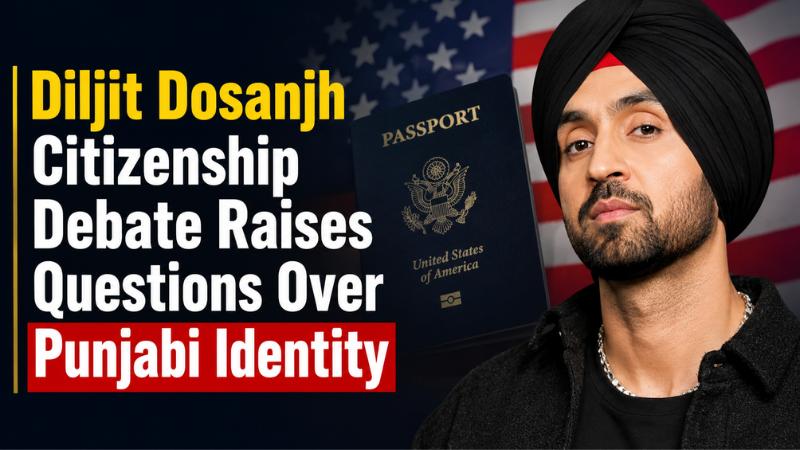
Diljit Dosanjh Draws Record Crowd in Sydney
Punjabi music sensation Diljit Dosanjh delivered a historic performance in Sydney, drawing a record-breaking crowd and solidifying his position as one of the most influential global artists from India. The electrifying concert became a landmark moment not only for his ongoing Aura Tour but also for Punjabi music on the international stage.
Diljit Dosanjh Draws Record Crowd in Sydney
Punjabi music sensation Diljit Dosanjh delivered a historic performance in Sydney, drawing a record-breaking crowd and solidifying his position as one of the most influential global artists from India. The electrifying concert became a landmark moment not only for his ongoing Aura Tour but also for Punjabi music on the international stage.
Bill Gates Makes Surprise Appearance in Kyunki Saas Bhi Kabhi Bahu Thi
In a moment that left television audiences both stunned and excited, global tech leader Bill Gates made a surprise appearance in the iconic Indian television serial Kyunki Saas Bhi Kabhi Bahu Thi. The unexpected cameo quickly became a trending topic across social media platforms, blending the worlds of technology and Indian entertainment in a way few could have predicted. A Crossover No One Saw Coming Kyunki Saas Bhi Kabhi Bahu Thi has long been regarded as one of India’s most influential and beloved television dramas. Known for its emotional storylines, strong family themes, and unforgettable characters, the show has maintained a special place in Indian pop culture. The surprise inclusion of Bill Gates added an entirely new layer of intrigue and global attention. Viewers tuning in for their regular dose of drama were pleasantly surprised to see the Microsoft co-founder appear in a brief but impactful segment. While the appearance was short, it was carefully woven into the storyline, making it feel both natural and memorable. Why the Cameo Matters Bill Gates is widely recognized for his contributions to technology, innovation, and global philanthropy. His presence in an Indian daily soap signifies more than just a celebrity cameo. It highlights the growing influence of Indian television on a global stage and reflects the interconnected nature of entertainment and technology in today’s world. The cameo also symbolizes how Indian media platforms are expanding their reach beyond traditional audiences. With streaming services and digital platforms bringing Indian content to viewers worldwide, such crossovers are becoming increasingly possible and impactful. Social Media Buzz and Audience Reactions Within minutes of the episode airing, clips and screenshots of Bill Gates’ appearance began circulating online. Fans expressed excitement and disbelief, praising the show’s creators for pulling off such an unexpected collaboration. Hashtags related to the episode trended across multiple platforms, sparking conversations among both television enthusiasts and tech followers. Many viewers described the moment as historic, calling it one of the most surprising guest appearances in Indian television history. The combination of a global tech icon and a household Indian serial created a unique cultural moment that resonated with diverse audiences. Bridging Entertainment and Innovation The appearance also underscores the growing synergy between entertainment and technology. Television shows increasingly rely on digital engagement, online fan communities, and global streaming networks. By featuring a figure like Bill Gates, the show indirectly highlights themes of innovation, progress, and global connectivity. Indian television has evolved significantly over the years, moving from traditional broadcast formats to digital-first strategies. High-profile appearances like this one demonstrate how storytelling continues to adapt in a rapidly changing media landscape. A Memorable Television Moment While cameos by celebrities are not uncommon, appearances by internationally recognized business leaders are rare, especially in daily soap operas. Bill Gates’ guest appearance added a fresh dimension to Kyunki Saas Bhi Kabhi Bahu Thi, reminding audiences that television still has the power to surprise and create buzzworthy moments. The episode will likely be remembered as a standout chapter in the show’s history, marking a unique intersection of global influence and Indian storytelling.
Bill Gates Makes Surprise Appearance in Kyunki Saas Bhi Kabhi Bahu Thi
In a moment that left television audiences both stunned and excited, global tech leader Bill Gates made a surprise appearance in the iconic Indian television serial Kyunki Saas Bhi Kabhi Bahu Thi. The unexpected cameo quickly became a trending topic across social media platforms, blending the worlds of technology and Indian entertainment in a way few could have predicted. A Crossover No One Saw Coming Kyunki Saas Bhi Kabhi Bahu Thi has long been regarded as one of India’s most influential and beloved television dramas. Known for its emotional storylines, strong family themes, and unforgettable characters, the show has maintained a special place in Indian pop culture. The surprise inclusion of Bill Gates added an entirely new layer of intrigue and global attention. Viewers tuning in for their regular dose of drama were pleasantly surprised to see the Microsoft co-founder appear in a brief but impactful segment. While the appearance was short, it was carefully woven into the storyline, making it feel both natural and memorable. Why the Cameo Matters Bill Gates is widely recognized for his contributions to technology, innovation, and global philanthropy. His presence in an Indian daily soap signifies more than just a celebrity cameo. It highlights the growing influence of Indian television on a global stage and reflects the interconnected nature of entertainment and technology in today’s world. The cameo also symbolizes how Indian media platforms are expanding their reach beyond traditional audiences. With streaming services and digital platforms bringing Indian content to viewers worldwide, such crossovers are becoming increasingly possible and impactful. Social Media Buzz and Audience Reactions Within minutes of the episode airing, clips and screenshots of Bill Gates’ appearance began circulating online. Fans expressed excitement and disbelief, praising the show’s creators for pulling off such an unexpected collaboration. Hashtags related to the episode trended across multiple platforms, sparking conversations among both television enthusiasts and tech followers. Many viewers described the moment as historic, calling it one of the most surprising guest appearances in Indian television history. The combination of a global tech icon and a household Indian serial created a unique cultural moment that resonated with diverse audiences. Bridging Entertainment and Innovation The appearance also underscores the growing synergy between entertainment and technology. Television shows increasingly rely on digital engagement, online fan communities, and global streaming networks. By featuring a figure like Bill Gates, the show indirectly highlights themes of innovation, progress, and global connectivity. Indian television has evolved significantly over the years, moving from traditional broadcast formats to digital-first strategies. High-profile appearances like this one demonstrate how storytelling continues to adapt in a rapidly changing media landscape. A Memorable Television Moment While cameos by celebrities are not uncommon, appearances by internationally recognized business leaders are rare, especially in daily soap operas. Bill Gates’ guest appearance added a fresh dimension to Kyunki Saas Bhi Kabhi Bahu Thi, reminding audiences that television still has the power to surprise and create buzzworthy moments. The episode will likely be remembered as a standout chapter in the show’s history, marking a unique intersection of global influence and Indian storytelling.
The Hand & The Eye: World’s Largest Magic Venue Opening in Chicago in 2026
A spectacular new chapter in live entertainment is about to unfold as The Hand & The Eye, the world’s largest magic venue, prepares to open its doors in Chicago in 2026. Designed to redefine the art of illusion and immersive performance, this landmark project is expected to transform the city into a global hub for magic, mystery, and theatrical innovation. A Grand Vision for Modern Magic The Hand & The E
The Hand & The Eye: World’s Largest Magic Venue Opening in Chicago in 2026
A spectacular new chapter in live entertainment is about to unfold as The Hand & The Eye, the world’s largest magic venue, prepares to open its doors in Chicago in 2026. Designed to redefine the art of illusion and immersive performance, this landmark project is expected to transform the city into a global hub for magic, mystery, and theatrical innovation. A Grand Vision for Modern Magic The Hand & The E
Indian Cinema Among Hardest Hit as Trump Imposes 100% Movie Tariff
The global entertainment industry is facing significant uncertainty after Donald Trump announced a 100% tariff on foreign films entering the United States. The decision, aimed at strengthening domestic production and protecting American studios from overseas competition, has created serious concerns across international film markets. Among the industries most affected is Indian cinema, which has built a strong and profitable presence in the U.S. over the past two decades. What the 100% Tariff Means for Foreign Films A 100% tariff effectively doubles the import cost of films produced outside the United States. This means that distributors bringing foreign-language or international movies into the American market would need to pay an additional amount equal to the film’s value. As a result, distribution expenses, licensing fees, and theatrical release costs would increase dramatically. Such a move is expected to discourage American exhibitors from screening foreign films unless they are guaranteed to be commercially successful. Smaller productions, independent films, and regional language movies would find it particularly difficult to sustain U.S. releases under the new financial burden. The policy is being viewed by many as a protectionist measure designed to promote American-made content while limiting foreign competition. Why Indian Cinema Is Especially Vulnerable Indian cinema has a substantial presence in the United States, largely due to the large and engaged Indian diaspora. Cities like New York, Dallas, San Francisco, Chicago, and New Jersey consistently record strong box office numbers for major Hindi, Telugu, Tamil, and Malayalam releases. In recent years, several Indian blockbusters have earned millions of dollars in North America within their opening weekends. Overseas revenue from the U.S. often contributes significantly to the total earnings of big-budget Indian films. For many productions, international collections help recover high production and marketing costs. If tariffs double the financial obligations for distributors, fewer Indian films may secure wide theatrical releases. Ticket prices could rise, reducing audience turnout and overall profitability. Regional film industries, which have recently expanded their international reach, may suffer even more. Telugu and Tamil films, for example, have gained strong overseas fan bases, but not every release guarantees a blockbuster performance. Increased financial risk may discourage distributors from acquiring rights to mid-budget or experimental projects. Impact on Production Houses and Distributors Indian production houses frequently rely on overseas distribution agreements to balance budgets and plan future projects. A steep tariff could force distributors to renegotiate contracts or demand lower acquisition costs from producers. This may ultimately reduce profit margins for filmmakers and investors. Independent distributors in the United States who specialize in screening Indian and other foreign-language films could struggle to absorb the additional expenses. Smaller theater chains catering to diaspora communities might cut back on the number of releases or limit screenings to major star-driven projects. As a result, diversity in theatrical programming may decline. Streaming platforms could also face complications if similar tariff principles extend to digital content licensing. Indian producers who depend on global streaming deals for revenue may encounter delays, renegotiations, or reduced valuations for their films. Broader Consequences for the Global Film Industry The film industry operates within a complex network of international co-productions, distribution partnerships, and cross-border investments. A unilateral tariff of this magnitude could strain cultural and trade relations between countries. Nations with strong film export industries may interpret the move as a trade barrier rather than a cultural policy. Film festivals, collaborative projects, and joint ventures between Hollywood and international studios could face uncertainty if market access becomes restricted. Producers might attempt to diversify into alternative territories such as Europe, the Middle East, Australia, and Southeast Asia, but replacing the revenue potential of the U.S. market would be challenging. Audience and Industry Response Indian audiences in the United States have long treated film releases as major cultural events. If ticket prices increase significantly due to tariff-related costs, some viewers may shift toward online streaming options or delay watching films until digital releases. This change in consumption patterns could affect theatrical revenues worldwide. Industry bodies in India are closely monitoring developments and may seek diplomatic discussions to address cultural trade concerns. Producers and trade analysts are evaluating new strategies, including a stronger focus on domestic markets, expanded regional distribution, and innovative release models to offset potential losses in North America. The introduction of a 100% movie tariff marks a turning point for international film trade, with Indian cinema positioned among the industries most exposed to financial and strategic consequences.
Indian Cinema Among Hardest Hit as Trump Imposes 100% Movie Tariff
The global entertainment industry is facing significant uncertainty after Donald Trump announced a 100% tariff on foreign films entering the United States. The decision, aimed at strengthening domestic production and protecting American studios from overseas competition, has created serious concerns across international film markets. Among the industries most affected is Indian cinema, which has built a strong and profitable presence in the U.S. over the past two decades. What the 100% Tariff Means for Foreign Films A 100% tariff effectively doubles the import cost of films produced outside the United States. This means that distributors bringing foreign-language or international movies into the American market would need to pay an additional amount equal to the film’s value. As a result, distribution expenses, licensing fees, and theatrical release costs would increase dramatically. Such a move is expected to discourage American exhibitors from screening foreign films unless they are guaranteed to be commercially successful. Smaller productions, independent films, and regional language movies would find it particularly difficult to sustain U.S. releases under the new financial burden. The policy is being viewed by many as a protectionist measure designed to promote American-made content while limiting foreign competition. Why Indian Cinema Is Especially Vulnerable Indian cinema has a substantial presence in the United States, largely due to the large and engaged Indian diaspora. Cities like New York, Dallas, San Francisco, Chicago, and New Jersey consistently record strong box office numbers for major Hindi, Telugu, Tamil, and Malayalam releases. In recent years, several Indian blockbusters have earned millions of dollars in North America within their opening weekends. Overseas revenue from the U.S. often contributes significantly to the total earnings of big-budget Indian films. For many productions, international collections help recover high production and marketing costs. If tariffs double the financial obligations for distributors, fewer Indian films may secure wide theatrical releases. Ticket prices could rise, reducing audience turnout and overall profitability. Regional film industries, which have recently expanded their international reach, may suffer even more. Telugu and Tamil films, for example, have gained strong overseas fan bases, but not every release guarantees a blockbuster performance. Increased financial risk may discourage distributors from acquiring rights to mid-budget or experimental projects. Impact on Production Houses and Distributors Indian production houses frequently rely on overseas distribution agreements to balance budgets and plan future projects. A steep tariff could force distributors to renegotiate contracts or demand lower acquisition costs from producers. This may ultimately reduce profit margins for filmmakers and investors. Independent distributors in the United States who specialize in screening Indian and other foreign-language films could struggle to absorb the additional expenses. Smaller theater chains catering to diaspora communities might cut back on the number of releases or limit screenings to major star-driven projects. As a result, diversity in theatrical programming may decline. Streaming platforms could also face complications if similar tariff principles extend to digital content licensing. Indian producers who depend on global streaming deals for revenue may encounter delays, renegotiations, or reduced valuations for their films. Broader Consequences for the Global Film Industry The film industry operates within a complex network of international co-productions, distribution partnerships, and cross-border investments. A unilateral tariff of this magnitude could strain cultural and trade relations between countries. Nations with strong film export industries may interpret the move as a trade barrier rather than a cultural policy. Film festivals, collaborative projects, and joint ventures between Hollywood and international studios could face uncertainty if market access becomes restricted. Producers might attempt to diversify into alternative territories such as Europe, the Middle East, Australia, and Southeast Asia, but replacing the revenue potential of the U.S. market would be challenging. Audience and Industry Response Indian audiences in the United States have long treated film releases as major cultural events. If ticket prices increase significantly due to tariff-related costs, some viewers may shift toward online streaming options or delay watching films until digital releases. This change in consumption patterns could affect theatrical revenues worldwide. Industry bodies in India are closely monitoring developments and may seek diplomatic discussions to address cultural trade concerns. Producers and trade analysts are evaluating new strategies, including a stronger focus on domestic markets, expanded regional distribution, and innovative release models to offset potential losses in North America. The introduction of a 100% movie tariff marks a turning point for international film trade, with Indian cinema positioned among the industries most exposed to financial and strategic consequences.


