










Indian Cinema Among Hardest Hit as Trump Imposes 100% Movie Tariff
The global entertainment industry is facing significant uncertainty after Donald Trump announced a 100% tariff on foreign films entering the United States. The decision, aimed at strengthening domestic production and protecting American studios from overseas competition, has created serious concerns across international film markets. Among the industries most affected is Indian cinema, which has built a strong and profitable presence in the U.S. over the past two decades. What the 100% Tariff Means for Foreign Films A 100% tariff effectively doubles the import cost of films produced outside the United States. This means that distributors bringing foreign-language or international movies into the American market would need to pay an additional amount equal to the film’s value. As a result, distribution expenses, licensing fees, and theatrical release costs would increase dramatically. Such a move is expected to discourage American exhibitors from screening foreign films unless they are guaranteed to be commercially successful. Smaller productions, independent films, and regional language movies would find it particularly difficult to sustain U.S. releases under the new financial burden. The policy is being viewed by many as a protectionist measure designed to promote American-made content while limiting foreign competition. Why Indian Cinema Is Especially Vulnerable Indian cinema has a substantial presence in the United States, largely due to the large and engaged Indian diaspora. Cities like New York, Dallas, San Francisco, Chicago, and New Jersey consistently record strong box office numbers for major Hindi, Telugu, Tamil, and Malayalam releases. In recent years, several Indian blockbusters have earned millions of dollars in North America within their opening weekends. Overseas revenue from the U.S. often contributes significantly to the total earnings of big-budget Indian films. For many productions, international collections help recover high production and marketing costs. If tariffs double the financial obligations for distributors, fewer Indian films may secure wide theatrical releases. Ticket prices could rise, reducing audience turnout and overall profitability. Regional film industries, which have recently expanded their international reach, may suffer even more. Telugu and Tamil films, for example, have gained strong overseas fan bases, but not every release guarantees a blockbuster performance. Increased financial risk may discourage distributors from acquiring rights to mid-budget or experimental projects. Impact on Production Houses and Distributors Indian production houses frequently rely on overseas distribution agreements to balance budgets and plan future projects. A steep tariff could force distributors to renegotiate contracts or demand lower acquisition costs from producers. This may ultimately reduce profit margins for filmmakers and investors. Independent distributors in the United States who specialize in screening Indian and other foreign-language films could struggle to absorb the additional expenses. Smaller theater chains catering to diaspora communities might cut back on the number of releases or limit screenings to major star-driven projects. As a result, diversity in theatrical programming may decline. Streaming platforms could also face complications if similar tariff principles extend to digital content licensing. Indian producers who depend on global streaming deals for revenue may encounter delays, renegotiations, or reduced valuations for their films. Broader Consequences for the Global Film Industry The film industry operates within a complex network of international co-productions, distribution partnerships, and cross-border investments. A unilateral tariff of this magnitude could strain cultural and trade relations between countries. Nations with strong film export industries may interpret the move as a trade barrier rather than a cultural policy. Film festivals, collaborative projects, and joint ventures between Hollywood and international studios could face uncertainty if market access becomes restricted. Producers might attempt to diversify into alternative territories such as Europe, the Middle East, Australia, and Southeast Asia, but replacing the revenue potential of the U.S. market would be challenging. Audience and Industry Response Indian audiences in the United States have long treated film releases as major cultural events. If ticket prices increase significantly due to tariff-related costs, some viewers may shift toward online streaming options or delay watching films until digital releases. This change in consumption patterns could affect theatrical revenues worldwide. Industry bodies in India are closely monitoring developments and may seek diplomatic discussions to address cultural trade concerns. Producers and trade analysts are evaluating new strategies, including a stronger focus on domestic markets, expanded regional distribution, and innovative release models to offset potential losses in North America. The introduction of a 100% movie tariff marks a turning point for international film trade, with Indian cinema positioned among the industries most exposed to financial and strategic consequences.
Indian Cinema Among Hardest Hit as Trump Imposes 100% Movie Tariff
The global entertainment industry is facing significant uncertainty after Donald Trump announced a 100% tariff on foreign films entering the United States. The decision, aimed at strengthening domestic production and protecting American studios from overseas competition, has created serious concerns across international film markets. Among the industries most affected is Indian cinema, which has built a strong and profitable presence in the U.S. over the past two decades. What the 100% Tariff Means for Foreign Films A 100% tariff effectively doubles the import cost of films produced outside the United States. This means that distributors bringing foreign-language or international movies into the American market would need to pay an additional amount equal to the film’s value. As a result, distribution expenses, licensing fees, and theatrical release costs would increase dramatically. Such a move is expected to discourage American exhibitors from screening foreign films unless they are guaranteed to be commercially successful. Smaller productions, independent films, and regional language movies would find it particularly difficult to sustain U.S. releases under the new financial burden. The policy is being viewed by many as a protectionist measure designed to promote American-made content while limiting foreign competition. Why Indian Cinema Is Especially Vulnerable Indian cinema has a substantial presence in the United States, largely due to the large and engaged Indian diaspora. Cities like New York, Dallas, San Francisco, Chicago, and New Jersey consistently record strong box office numbers for major Hindi, Telugu, Tamil, and Malayalam releases. In recent years, several Indian blockbusters have earned millions of dollars in North America within their opening weekends. Overseas revenue from the U.S. often contributes significantly to the total earnings of big-budget Indian films. For many productions, international collections help recover high production and marketing costs. If tariffs double the financial obligations for distributors, fewer Indian films may secure wide theatrical releases. Ticket prices could rise, reducing audience turnout and overall profitability. Regional film industries, which have recently expanded their international reach, may suffer even more. Telugu and Tamil films, for example, have gained strong overseas fan bases, but not every release guarantees a blockbuster performance. Increased financial risk may discourage distributors from acquiring rights to mid-budget or experimental projects. Impact on Production Houses and Distributors Indian production houses frequently rely on overseas distribution agreements to balance budgets and plan future projects. A steep tariff could force distributors to renegotiate contracts or demand lower acquisition costs from producers. This may ultimately reduce profit margins for filmmakers and investors. Independent distributors in the United States who specialize in screening Indian and other foreign-language films could struggle to absorb the additional expenses. Smaller theater chains catering to diaspora communities might cut back on the number of releases or limit screenings to major star-driven projects. As a result, diversity in theatrical programming may decline. Streaming platforms could also face complications if similar tariff principles extend to digital content licensing. Indian producers who depend on global streaming deals for revenue may encounter delays, renegotiations, or reduced valuations for their films. Broader Consequences for the Global Film Industry The film industry operates within a complex network of international co-productions, distribution partnerships, and cross-border investments. A unilateral tariff of this magnitude could strain cultural and trade relations between countries. Nations with strong film export industries may interpret the move as a trade barrier rather than a cultural policy. Film festivals, collaborative projects, and joint ventures between Hollywood and international studios could face uncertainty if market access becomes restricted. Producers might attempt to diversify into alternative territories such as Europe, the Middle East, Australia, and Southeast Asia, but replacing the revenue potential of the U.S. market would be challenging. Audience and Industry Response Indian audiences in the United States have long treated film releases as major cultural events. If ticket prices increase significantly due to tariff-related costs, some viewers may shift toward online streaming options or delay watching films until digital releases. This change in consumption patterns could affect theatrical revenues worldwide. Industry bodies in India are closely monitoring developments and may seek diplomatic discussions to address cultural trade concerns. Producers and trade analysts are evaluating new strategies, including a stronger focus on domestic markets, expanded regional distribution, and innovative release models to offset potential losses in North America. The introduction of a 100% movie tariff marks a turning point for international film trade, with Indian cinema positioned among the industries most exposed to financial and strategic consequences.

Modern Landscaping Design Trends for Contemporary Homes
Modern homes are defined by clean lines, open spaces, and minimalist architecture. Landscaping design for contemporary homes follows the same principles—simplicity, functionality, and visual balance. Today’s homeowners are moving beyond traditional lawns and embracing innovative outdoor designs that complement modern architecture while enhancing curb appeal and sustainability. If you’re looking to upgrade your outdoor space, understanding the latest modern landscaping design trends can
Modern Landscaping Design Trends for Contemporary Homes
Modern homes are defined by clean lines, open spaces, and minimalist architecture. Landscaping design for contemporary homes follows the same principles—simplicity, functionality, and visual balance. Today’s homeowners are moving beyond traditional lawns and embracing innovative outdoor designs that complement modern architecture while enhancing curb appeal and sustainability. If you’re looking to upgrade your outdoor space, understanding the latest modern landscaping design trends can

Connected Living: A Guide to Smart Home Advancements
Technology has transformed the way we live, and smart home advancements are at the center of this evolution. Connected living refers to integrating devices, systems, and appliances within your home to work seamlessly through automation and internet connectivity. From voice-controlled lighting to intelligent security systems, smart home technology enhances comfort, efficiency, and safety. As more homeowners embrace digital solutions, understanding how smart homes work and their benefits can he
Connected Living: A Guide to Smart Home Advancements
Technology has transformed the way we live, and smart home advancements are at the center of this evolution. Connected living refers to integrating devices, systems, and appliances within your home to work seamlessly through automation and internet connectivity. From voice-controlled lighting to intelligent security systems, smart home technology enhances comfort, efficiency, and safety. As more homeowners embrace digital solutions, understanding how smart homes work and their benefits can he

Budget-Friendly DIY Home Improvement Projects
Improving your home does not have to drain your savings. With smart planning and creativity, budget-friendly DIY home improvement projects can refresh your living space, increase comfort, and even boost property value without major renovation costs. Small, affordable upgrades often create the biggest visual impact when done correctly. If you are looking to enhance your home while staying within budget, these practical and cost-effective ideas can help you get started. Refre
Budget-Friendly DIY Home Improvement Projects
Improving your home does not have to drain your savings. With smart planning and creativity, budget-friendly DIY home improvement projects can refresh your living space, increase comfort, and even boost property value without major renovation costs. Small, affordable upgrades often create the biggest visual impact when done correctly. If you are looking to enhance your home while staying within budget, these practical and cost-effective ideas can help you get started. Refre

Simple DIY Home Renovation Projects for Beginners to Try
Improving your home does not always require a major renovation or a large budget. With the right tools, creativity, and planning, DIY home improvement projects can transform your living space while saving money. Whether you want to enhance comfort, boost property value, or simply refresh your interiors, small upgrades can make a big difference. This guide explores practical and budget-friendly DIY home improvement ideas that are suitable for beginners and experienced homeowners alike.
Simple DIY Home Renovation Projects for Beginners to Try
Improving your home does not always require a major renovation or a large budget. With the right tools, creativity, and planning, DIY home improvement projects can transform your living space while saving money. Whether you want to enhance comfort, boost property value, or simply refresh your interiors, small upgrades can make a big difference. This guide explores practical and budget-friendly DIY home improvement ideas that are suitable for beginners and experienced homeowners alike.

Garden Pest Control Guide: Simple Solutions for a Healthy Landscape
A beautiful garden is the result of consistent care, healthy soil, and proper pest management. While pests are a natural part of the ecosystem, uncontrolled infestations can damage plants, reduce yields, and affect the overall appearance of your landscape. Effective garden pest control does not always require harsh chemicals. With the right strategies, you can protect your plants while maintaining a healthy and balanced outdoor environment. This guide provides simple and practical solutions t
Garden Pest Control Guide: Simple Solutions for a Healthy Landscape
A beautiful garden is the result of consistent care, healthy soil, and proper pest management. While pests are a natural part of the ecosystem, uncontrolled infestations can damage plants, reduce yields, and affect the overall appearance of your landscape. Effective garden pest control does not always require harsh chemicals. With the right strategies, you can protect your plants while maintaining a healthy and balanced outdoor environment. This guide provides simple and practical solutions t

Upgrade Your Yard: 4 Beautiful Alternatives to Traditional Grass
Traditional grass lawns have long been the standard for front yards, but they require regular watering, mowing, fertilizing, and maintenance. Many homeowners are now exploring grass alternatives that are visually appealing, eco-friendly, and low maintenance. If you want to enhance your yard’s curb appeal while reducing upkeep, these four lawn alternatives can transform your outdoor space beautifully. 1. Artificial Turf
Upgrade Your Yard: 4 Beautiful Alternatives to Traditional Grass
Traditional grass lawns have long been the standard for front yards, but they require regular watering, mowing, fertilizing, and maintenance. Many homeowners are now exploring grass alternatives that are visually appealing, eco-friendly, and low maintenance. If you want to enhance your yard’s curb appeal while reducing upkeep, these four lawn alternatives can transform your outdoor space beautifully. 1. Artificial Turf

Indoor Plant Care: The Complete Guide to Healthy Houseplants
Indoor plants do more than decorate your home. They purify the air, reduce stress, boost mood, and create a calming natural environment. However, keeping houseplants healthy requires proper knowledge of light, watering, soil, and maintenance routines. With the right indoor plant care techniques, anyone can grow thriving, vibrant greenery inside their home. This complete guide will help you understand the essential steps to maintain healthy houseplants throughout the year.
Indoor Plant Care: The Complete Guide to Healthy Houseplants
Indoor plants do more than decorate your home. They purify the air, reduce stress, boost mood, and create a calming natural environment. However, keeping houseplants healthy requires proper knowledge of light, watering, soil, and maintenance routines. With the right indoor plant care techniques, anyone can grow thriving, vibrant greenery inside their home. This complete guide will help you understand the essential steps to maintain healthy houseplants throughout the year.

Seasonal Garden Maintenance: A Complete Guide for Every Time of Year
A healthy, vibrant garden does not happen by accident. It requires consistent care that changes with the seasons. Understanding what your garden needs during spring, summer, fall, and winter helps maintain plant health, improve soil quality, and enhance overall landscape beauty. Seasonal garden maintenance ensures your outdoor space remains attractive, productive, and resilient throughout the year. Whether you are a homeowner, gardening enthusiast, or landscaping professional, following a str
Seasonal Garden Maintenance: A Complete Guide for Every Time of Year
A healthy, vibrant garden does not happen by accident. It requires consistent care that changes with the seasons. Understanding what your garden needs during spring, summer, fall, and winter helps maintain plant health, improve soil quality, and enhance overall landscape beauty. Seasonal garden maintenance ensures your outdoor space remains attractive, productive, and resilient throughout the year. Whether you are a homeowner, gardening enthusiast, or landscaping professional, following a str

Bullion Shock: Gold Drops ₹2,500, Silver Sees ₹6,000 Cut
Gold and silver prices witnessed a sharp correction in the latest trading session, leaving investors surprised and traders cautious. Gold prices fell by ₹2,500, while silver recorded an even steeper drop of ₹6,000. The sudden decline has sparked discussions in bullion markets about whether this is a temporary pullback or the beginning of a larger downward trend. The fall comes after weeks of steady gains, during which both precious metals touched record or near-record levels. Ma
Bullion Shock: Gold Drops ₹2,500, Silver Sees ₹6,000 Cut
Gold and silver prices witnessed a sharp correction in the latest trading session, leaving investors surprised and traders cautious. Gold prices fell by ₹2,500, while silver recorded an even steeper drop of ₹6,000. The sudden decline has sparked discussions in bullion markets about whether this is a temporary pullback or the beginning of a larger downward trend. The fall comes after weeks of steady gains, during which both precious metals touched record or near-record levels. Ma

Tax Refund Delays Explained: Why the 90-Day Wait
Waiting for your tax refund can be frustrating, especially when more than 90 days have passed since you filed your return. Many taxpayers assume that once the return is submitted, the refund will be processed automatically within a fixed timeline. However, several technical, verification, and compliance-related factors can slow down the process. Understanding the possible reasons behind the delay can help you take the right steps instead of worrying unnecessarily. 1. Errors or Mismatch in Tax Return Details One of the most common reasons for refund delays is incorrect or mismatched information in your tax return. If your income details, bank account number, tax deducted at source (TDS), or personal information do not match the records available with the tax department, the system may flag your return for review. Even small mistakes, such as an incorrect IFSC code or a spelling error in your name, can result in processing delays. When such discrepancies are identified, the refund is usually put on hold until the issue is clarified. 2. Pending Verification or Additional Review If your return requires additional verification, the processing timeline can extend beyond 90 days. This often happens in cases where large deductions, high-value transactions, or significant refunds are claimed. In some situations, the tax department may conduct manual checks to ensure compliance. Until the review process is completed, the refund cannot be issued. Checking your tax portal regularly for notices or required actions can help prevent further delays. 3. Bank Account Validation Issues Refunds are directly credited to the bank account mentioned in your tax return. If the account is not pre-validated, inactive, or incorrectly linked with your tax profile, the refund transfer may fail. In such cases, the refund remains pending until the account details are corrected and validated. Ensuring that your bank account is active, correctly linked, and verified is essential for smooth processing. 4. Outstanding Tax Demands or Adjustments Sometimes, refunds are adjusted against previous outstanding tax dues. If there is any pending demand from earlier assessment years, the tax department may first adjust the refund amount against that liability. This can delay or reduce the refund amount. Reviewing your tax account statement can clarify whether any adjustments have been made. 5. High Filing Volume and Processing Backlog During peak filing season, tax authorities receive millions of returns within a short period. Heavy workload and system backlogs can slow down refund processing timelines. In such cases, the delay may not be related to any specific issue with your return, but simply due to administrative processing time. What You Should Do If 90 Days Have Passed If your refund has not been credited even after 90 days, start by checking the status on the official tax portal. Look for any pending verification, notices, or required actions. Ensure your bank account is validated and correctly linked. If everything appears correct and there are no pending notices, you may raise a grievance or contact the tax helpdesk for clarification. Final Thoughts A delay of more than 90 days does not always indicate a serious problem. In most cases, it is linked to verification checks, minor errors, or administrative backlog. Staying informed, regularly monitoring your return status, and promptly responding to any notices can significantly speed up the process. Patience combined with proactive follow-up is the key to resolving tax refund delays efficiently.
Tax Refund Delays Explained: Why the 90-Day Wait
Waiting for your tax refund can be frustrating, especially when more than 90 days have passed since you filed your return. Many taxpayers assume that once the return is submitted, the refund will be processed automatically within a fixed timeline. However, several technical, verification, and compliance-related factors can slow down the process. Understanding the possible reasons behind the delay can help you take the right steps instead of worrying unnecessarily. 1. Errors or Mismatch in Tax Return Details One of the most common reasons for refund delays is incorrect or mismatched information in your tax return. If your income details, bank account number, tax deducted at source (TDS), or personal information do not match the records available with the tax department, the system may flag your return for review. Even small mistakes, such as an incorrect IFSC code or a spelling error in your name, can result in processing delays. When such discrepancies are identified, the refund is usually put on hold until the issue is clarified. 2. Pending Verification or Additional Review If your return requires additional verification, the processing timeline can extend beyond 90 days. This often happens in cases where large deductions, high-value transactions, or significant refunds are claimed. In some situations, the tax department may conduct manual checks to ensure compliance. Until the review process is completed, the refund cannot be issued. Checking your tax portal regularly for notices or required actions can help prevent further delays. 3. Bank Account Validation Issues Refunds are directly credited to the bank account mentioned in your tax return. If the account is not pre-validated, inactive, or incorrectly linked with your tax profile, the refund transfer may fail. In such cases, the refund remains pending until the account details are corrected and validated. Ensuring that your bank account is active, correctly linked, and verified is essential for smooth processing. 4. Outstanding Tax Demands or Adjustments Sometimes, refunds are adjusted against previous outstanding tax dues. If there is any pending demand from earlier assessment years, the tax department may first adjust the refund amount against that liability. This can delay or reduce the refund amount. Reviewing your tax account statement can clarify whether any adjustments have been made. 5. High Filing Volume and Processing Backlog During peak filing season, tax authorities receive millions of returns within a short period. Heavy workload and system backlogs can slow down refund processing timelines. In such cases, the delay may not be related to any specific issue with your return, but simply due to administrative processing time. What You Should Do If 90 Days Have Passed If your refund has not been credited even after 90 days, start by checking the status on the official tax portal. Look for any pending verification, notices, or required actions. Ensure your bank account is validated and correctly linked. If everything appears correct and there are no pending notices, you may raise a grievance or contact the tax helpdesk for clarification. Final Thoughts A delay of more than 90 days does not always indicate a serious problem. In most cases, it is linked to verification checks, minor errors, or administrative backlog. Staying informed, regularly monitoring your return status, and promptly responding to any notices can significantly speed up the process. Patience combined with proactive follow-up is the key to resolving tax refund delays efficiently.

Amaravati Welcomes 25 Banks, Poised to Become India’s Financial Hub
Amaravati has taken a significant step toward establishing itself as a major financial destination with the launch of 25 banks in the city. This coordinated expansion marks a powerful milestone in the region’s development and signals growing confidence in Amaravati’s economic potential. The large-scale entry of financial institutions is expected to accelerate business growth, attract investments, and strengthen the city’s role in India’s evolving financial ecosystem. The sim
Amaravati Welcomes 25 Banks, Poised to Become India’s Financial Hub
Amaravati has taken a significant step toward establishing itself as a major financial destination with the launch of 25 banks in the city. This coordinated expansion marks a powerful milestone in the region’s development and signals growing confidence in Amaravati’s economic potential. The large-scale entry of financial institutions is expected to accelerate business growth, attract investments, and strengthen the city’s role in India’s evolving financial ecosystem. The sim

PM Modi pushes for India to become AI powerhouse at 2026 summit
Prime Minister Narendra Modi on Tuesday called for India to emerge as a global leader in artificial intelligence, stressing that the country must move beyond merely using imported technologies and instead focus on developing its own advanced AI solutions. Speaking during the ongoing India AI Impact Summit 2026 in New Delhi, Modi said the moment presents a major opportunity for India to shape the future of the global technology landscape. The high-profile summit, being hosted in the Global So
PM Modi pushes for India to become AI powerhouse at 2026 summit
Prime Minister Narendra Modi on Tuesday called for India to emerge as a global leader in artificial intelligence, stressing that the country must move beyond merely using imported technologies and instead focus on developing its own advanced AI solutions. Speaking during the ongoing India AI Impact Summit 2026 in New Delhi, Modi said the moment presents a major opportunity for India to shape the future of the global technology landscape. The high-profile summit, being hosted in the Global So

Reliance Unveils Massive 1 GW AI Infrastructure Plan in Andhra Pradesh
In a significant development for India’s digital economy, Reliance Industries has announced plans to establish a massive 1 gigawatt AI-powered data infrastructure project in Andhra Pradesh. The move signals a strong push toward strengthening India’s artificial intelligence capabilities while positioning the state as a fast-emerging technology hub. The announcement comes at a time when global demand for AI computing power, cloud services, and advanced data processing facilities is growing rapidly. With this large-scale infrastructure commitment, Reliance aims to build one of the most powerful AI-focused data ecosystems in the country. Strengthening India’s AI and Digital Ecosystem Artificial intelligence requires enormous computing capacity, energy supply, and high-speed connectivity. A 1 GW data infrastructure project represents a significant scale of operation, capable of supporting AI research, machine learning workloads, enterprise cloud services, and large-scale digital platforms. Reliance’s investment is expected to enhance India’s ability to host AI models domestically, reducing dependence on overseas data infrastructure. This move aligns with India’s broader digital transformation strategy and ambition to become a global leader in artificial intelligence and advanced technologies. Andhra Pradesh, with its expanding industrial base, coastal connectivity, and proactive policy framework, has been positioning itself as a preferred destination for technology infrastructure projects. The state’s growing appeal among global and domestic investors reflects its focus on future-ready sectors such as AI, renewable energy, and digital services. Economic and Employment Impact Large-scale AI data centers create significant economic ripple effects. Construction, power infrastructure, cooling systems, fiber connectivity, cybersecurity services, and facility management all contribute to job creation and industrial growth. The project is expected to generate direct and indirect employment opportunities across technical and non-technical sectors. In addition to employment, such infrastructure attracts startups, SaaS companies, fintech firms, and cloud-driven enterprises that rely on strong computing capabilities. The presence of hyperscale AI infrastructure can accelerate innovation ecosystems and strengthen the region’s reputation as a technology destination. Energy, Sustainability, and Future Expansion A 1 GW facility requires robust power management and sustainable energy integration. With India increasing its renewable energy capacity, integrating clean power sources into data center operations will be crucial for long-term sustainability. Reliance’s broader focus on energy transition and digital expansion suggests that sustainability considerations will likely play a role in the project’s design. The infrastructure plan also reflects a larger strategic vision. AI is rapidly transforming industries including healthcare, finance, manufacturing, logistics, and telecommunications. By investing heavily in AI computing infrastructure, Reliance is positioning itself at the center of this technological shift. Andhra Pradesh’s Rising Tech Profile With multiple large-scale technology investments flowing into the state, Andhra Pradesh is emerging as a strong contender in India’s evolving tech landscape. The addition of a 1 GW AI infrastructure project strengthens its ambition to become a leading digital and data hub. Reliance’s announcement signals confidence in the state’s potential and in India’s expanding AI market. As artificial intelligence becomes increasingly central to economic growth and innovation, infrastructure investments of this scale may redefine regional competitiveness. The coming years will determine how effectively this ambitious AI infrastructure plan translates into innovation, job creation, and technological leadership. What is clear is that Andhra Pradesh is rapidly positioning itself as a significant player in India’s digital future.
Reliance Unveils Massive 1 GW AI Infrastructure Plan in Andhra Pradesh
In a significant development for India’s digital economy, Reliance Industries has announced plans to establish a massive 1 gigawatt AI-powered data infrastructure project in Andhra Pradesh. The move signals a strong push toward strengthening India’s artificial intelligence capabilities while positioning the state as a fast-emerging technology hub. The announcement comes at a time when global demand for AI computing power, cloud services, and advanced data processing facilities is growing rapidly. With this large-scale infrastructure commitment, Reliance aims to build one of the most powerful AI-focused data ecosystems in the country. Strengthening India’s AI and Digital Ecosystem Artificial intelligence requires enormous computing capacity, energy supply, and high-speed connectivity. A 1 GW data infrastructure project represents a significant scale of operation, capable of supporting AI research, machine learning workloads, enterprise cloud services, and large-scale digital platforms. Reliance’s investment is expected to enhance India’s ability to host AI models domestically, reducing dependence on overseas data infrastructure. This move aligns with India’s broader digital transformation strategy and ambition to become a global leader in artificial intelligence and advanced technologies. Andhra Pradesh, with its expanding industrial base, coastal connectivity, and proactive policy framework, has been positioning itself as a preferred destination for technology infrastructure projects. The state’s growing appeal among global and domestic investors reflects its focus on future-ready sectors such as AI, renewable energy, and digital services. Economic and Employment Impact Large-scale AI data centers create significant economic ripple effects. Construction, power infrastructure, cooling systems, fiber connectivity, cybersecurity services, and facility management all contribute to job creation and industrial growth. The project is expected to generate direct and indirect employment opportunities across technical and non-technical sectors. In addition to employment, such infrastructure attracts startups, SaaS companies, fintech firms, and cloud-driven enterprises that rely on strong computing capabilities. The presence of hyperscale AI infrastructure can accelerate innovation ecosystems and strengthen the region’s reputation as a technology destination. Energy, Sustainability, and Future Expansion A 1 GW facility requires robust power management and sustainable energy integration. With India increasing its renewable energy capacity, integrating clean power sources into data center operations will be crucial for long-term sustainability. Reliance’s broader focus on energy transition and digital expansion suggests that sustainability considerations will likely play a role in the project’s design. The infrastructure plan also reflects a larger strategic vision. AI is rapidly transforming industries including healthcare, finance, manufacturing, logistics, and telecommunications. By investing heavily in AI computing infrastructure, Reliance is positioning itself at the center of this technological shift. Andhra Pradesh’s Rising Tech Profile With multiple large-scale technology investments flowing into the state, Andhra Pradesh is emerging as a strong contender in India’s evolving tech landscape. The addition of a 1 GW AI infrastructure project strengthens its ambition to become a leading digital and data hub. Reliance’s announcement signals confidence in the state’s potential and in India’s expanding AI market. As artificial intelligence becomes increasingly central to economic growth and innovation, infrastructure investments of this scale may redefine regional competitiveness. The coming years will determine how effectively this ambitious AI infrastructure plan translates into innovation, job creation, and technological leadership. What is clear is that Andhra Pradesh is rapidly positioning itself as a significant player in India’s digital future.
Andhra Pradesh Lands ₹82,000 Crore Renewable Energy Deal for Solar and Hydrogen
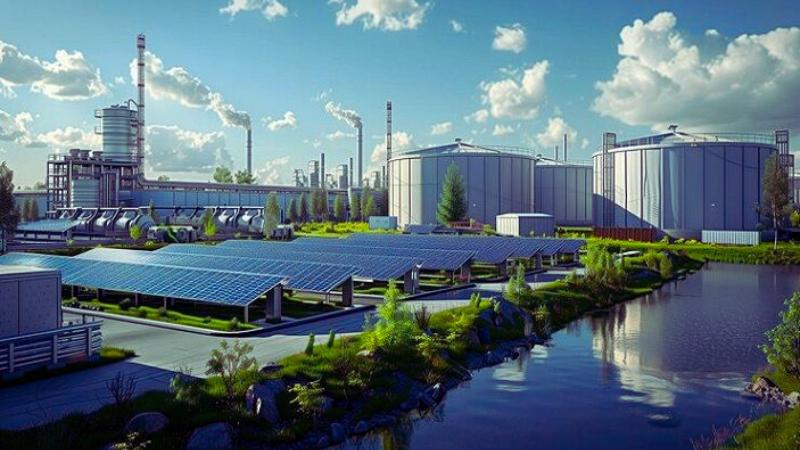
In a major boost to India’s clean energy ambitions, Andhra Pradesh has secured a massive ₹82,000 crore renewable energy investment focused on solar power and green hydrogen development. The landmark deal is expected to transform the state into a leading hub for next-generation energy infrastructure while strengthening India’s commitment to sustainable growth and carbon reduction The investment marks one of the largest renewable energy commitments in the region and reflects growing confidence in Andhra Pradesh as a strategic destination for green energy projects. Strengthening Andhra Pradesh’s Green Energy Vision Andhra Pradesh has been actively positioning itself as a renewable energy powerhouse. With abundant sunlight, vast land availability, and supportive policy frameworks, the state offers strong potential for large-scale solar and hydrogen projects. The ₹82,000 crore deal further accelerates its renewable energy roadmap by attracting long-term infrastructure development and global investor attention. The solar component of the project will significantly enhance electricity generation capacity, helping meet rising energy demand while reducing reliance on fossil fuels. At the same time, green hydrogen production is expected to play a critical role in decarbonizing industrial sectors and supporting India’s broader clean energy transition. Solar Expansion and Energy Security Solar energy remains central to India’s renewable strategy. By expanding solar capacity through this large-scale investment, Andhra Pradesh can improve grid stability, reduce carbon emissions, and strengthen energy independence. Solar projects under this agreement are expected to create large employment opportunities during construction and operations, benefiting local communities and supporting economic growth. In addition to power generation, the solar infrastructure will likely attract ancillary industries, boosting manufacturing, logistics, and technology sectors within the state. Green Hydrogen: The Future of Clean Energy Green hydrogen is emerging as a transformative energy solution worldwide. Produced using renewable electricity, green hydrogen offers a clean alternative for industries such as steel, transportation, and heavy manufacturing. Andhra Pradesh’s focus on hydrogen production aligns with India’s national mission to become a global leader in green hydrogen exports. The ₹82,000 crore investment positions the state to participate in the rapidly growing global hydrogen economy. By integrating solar energy with hydrogen production, Andhra Pradesh can create a sustainable energy ecosystem that reduces emissions and enhances industrial competitiveness. Economic Impact and Job Creation Large renewable energy projects generate widespread economic benefits. Beyond direct employment in plant construction and operations, supporting industries such as equipment manufacturing, engineering services, transportation, and maintenance are expected to see growth. The deal also strengthens investor confidence in Andhra Pradesh’s infrastructure and governance capabilities. A successful rollout could attract further domestic and international investments in renewable energy, positioning the state as a long-term clean energy investment destination. Supporting India’s Net Zero Goals India has set ambitious renewable energy and carbon neutrality targets for the coming decades. Projects of this scale contribute directly to national goals by increasing renewable capacity and accelerating the adoption of green technologies. The ₹82,000 crore renewable energy initiative reflects a broader shift in India’s economic strategy toward sustainability, innovation, and climate responsibility. By investing heavily in solar and hydrogen infrastructure, Andhra Pradesh is aligning itself with the global transition to clean energy. As renewable energy investments continue to grow, Andhra Pradesh’s latest achievement signals a turning point in the state’s energy landscape. The success of this ambitious project could redefine its role in India’s clean energy future and strengthen its position as a leading renewable energy hub.
Andhra Pradesh Lands ₹82,000 Crore Renewable Energy Deal for Solar and Hydrogen
In a major boost to India’s clean energy ambitions, Andhra Pradesh has secured a massive ₹82,000 crore renewable energy investment focused on solar power and green hydrogen development. The landmark deal is expected to transform the state into a leading hub for next-generation energy infrastructure while strengthening India’s commitment to sustainable growth and carbon reduction The investment marks one of the largest renewable energy commitments in the region and reflects growing confidence in Andhra Pradesh as a strategic destination for green energy projects. Strengthening Andhra Pradesh’s Green Energy Vision Andhra Pradesh has been actively positioning itself as a renewable energy powerhouse. With abundant sunlight, vast land availability, and supportive policy frameworks, the state offers strong potential for large-scale solar and hydrogen projects. The ₹82,000 crore deal further accelerates its renewable energy roadmap by attracting long-term infrastructure development and global investor attention. The solar component of the project will significantly enhance electricity generation capacity, helping meet rising energy demand while reducing reliance on fossil fuels. At the same time, green hydrogen production is expected to play a critical role in decarbonizing industrial sectors and supporting India’s broader clean energy transition. Solar Expansion and Energy Security Solar energy remains central to India’s renewable strategy. By expanding solar capacity through this large-scale investment, Andhra Pradesh can improve grid stability, reduce carbon emissions, and strengthen energy independence. Solar projects under this agreement are expected to create large employment opportunities during construction and operations, benefiting local communities and supporting economic growth. In addition to power generation, the solar infrastructure will likely attract ancillary industries, boosting manufacturing, logistics, and technology sectors within the state. Green Hydrogen: The Future of Clean Energy Green hydrogen is emerging as a transformative energy solution worldwide. Produced using renewable electricity, green hydrogen offers a clean alternative for industries such as steel, transportation, and heavy manufacturing. Andhra Pradesh’s focus on hydrogen production aligns with India’s national mission to become a global leader in green hydrogen exports. The ₹82,000 crore investment positions the state to participate in the rapidly growing global hydrogen economy. By integrating solar energy with hydrogen production, Andhra Pradesh can create a sustainable energy ecosystem that reduces emissions and enhances industrial competitiveness. Economic Impact and Job Creation Large renewable energy projects generate widespread economic benefits. Beyond direct employment in plant construction and operations, supporting industries such as equipment manufacturing, engineering services, transportation, and maintenance are expected to see growth. The deal also strengthens investor confidence in Andhra Pradesh’s infrastructure and governance capabilities. A successful rollout could attract further domestic and international investments in renewable energy, positioning the state as a long-term clean energy investment destination. Supporting India’s Net Zero Goals India has set ambitious renewable energy and carbon neutrality targets for the coming decades. Projects of this scale contribute directly to national goals by increasing renewable capacity and accelerating the adoption of green technologies. The ₹82,000 crore renewable energy initiative reflects a broader shift in India’s economic strategy toward sustainability, innovation, and climate responsibility. By investing heavily in solar and hydrogen infrastructure, Andhra Pradesh is aligning itself with the global transition to clean energy. As renewable energy investments continue to grow, Andhra Pradesh’s latest achievement signals a turning point in the state’s energy landscape. The success of this ambitious project could redefine its role in India’s clean energy future and strengthen its position as a leading renewable energy hub.