
Kremlin spokesperson Dmitry Peskov stated that Moscow has yet to hear any official statement from the Indian government suggesting that energy flows between the two countries are being curtailed. While acknowledging the growing relationship between the United States and India, Peskov stressed that Russia continues to place high importance on its longstanding strategic partnership with New Delhi. He said strengthening bilateral cooperation, particularly in energy and defense, remains a priority for Moscow.
Russia’s Deputy Prime Minister Alexander Novak also played down concerns over any potential reduction in Indian demand. He told reporters that recent developments appear limited to public remarks and that global energy markets typically adjust to changing trade patterns. Novak added that Russian energy resources continue to find buyers and that supply will match demand as market conditions evolve.
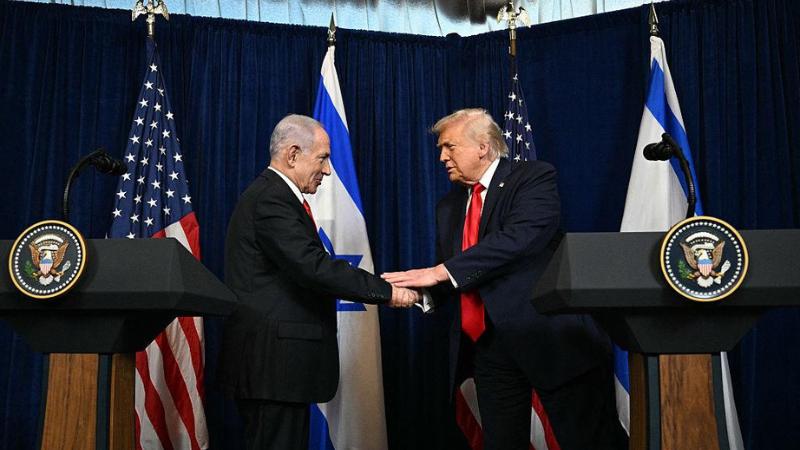
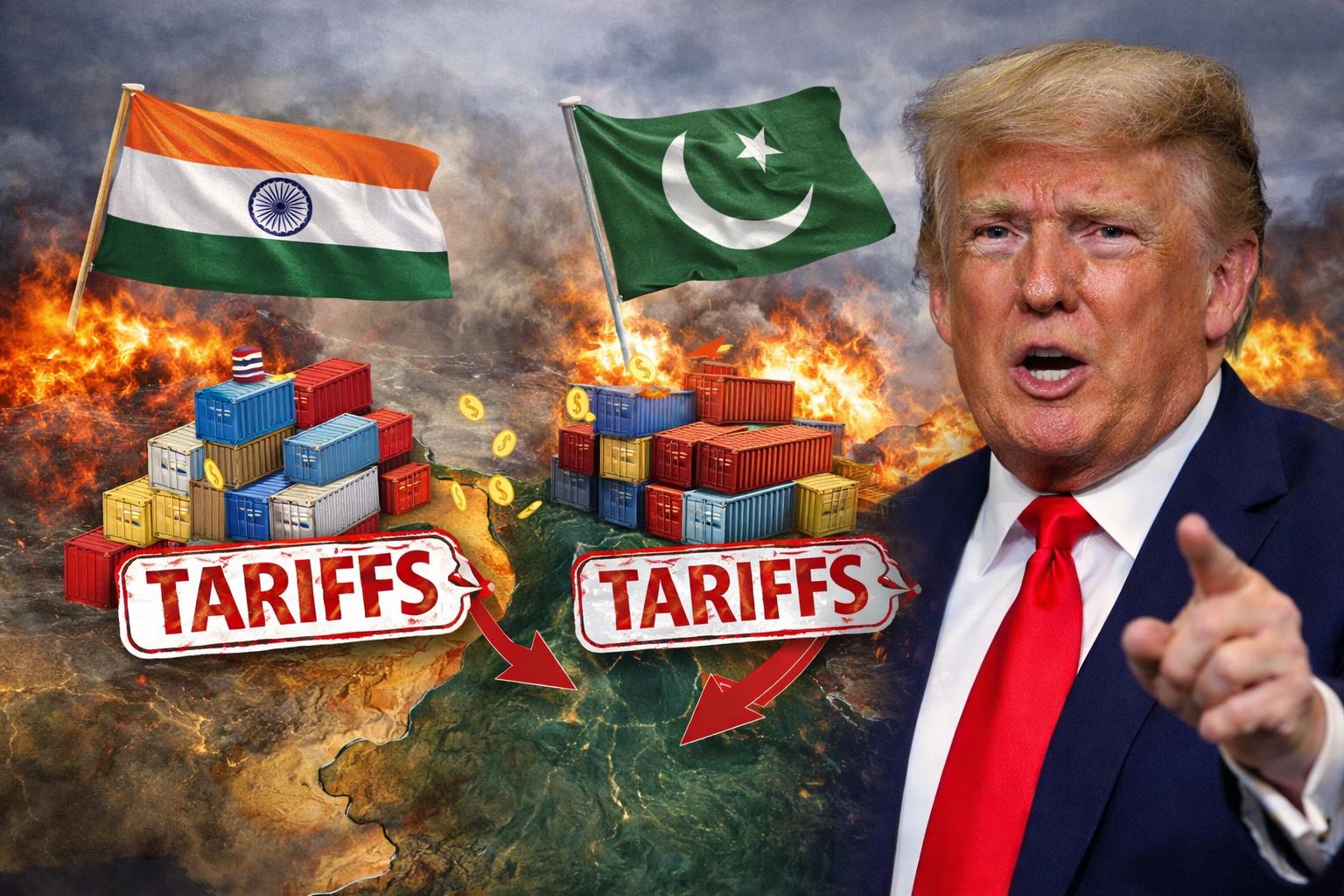
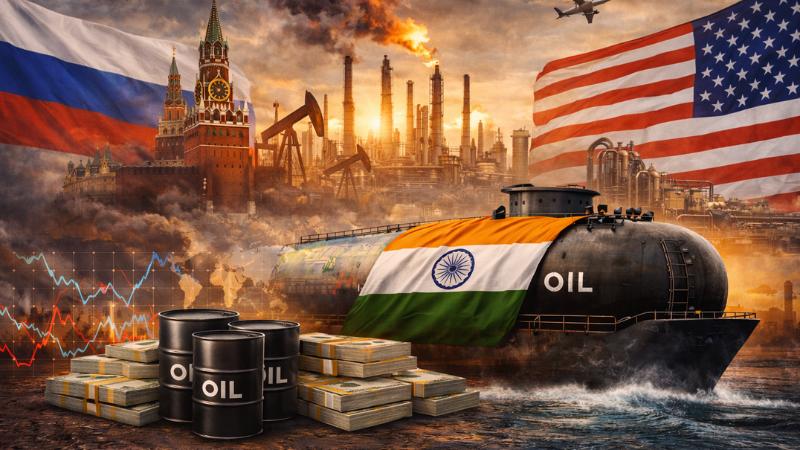
The comments came after President Trump announced that the United States and India had concluded a trade deal during discussions with Prime Minister Narendra Modi. According to Trump, the agreement included India’s commitment to reduce or end purchases of Russian crude oil while increasing imports from the United States and possibly other suppliers. He also said Washington would lower its main tariff on Indian goods from 25 percent to 18 percent and remove an additional penalty tariff imposed earlier in response to India’s purchases of Russian oil.
Prime Minister Modi confirmed progress on the trade front and welcomed the reduction in tariffs for Indian exports. However, there was no explicit mention of any immediate decision to completely stop Russian oil imports. This absence of clarity has fueled debate among policymakers and analysts about how India will balance its energy security needs with shifting geopolitical pressures.
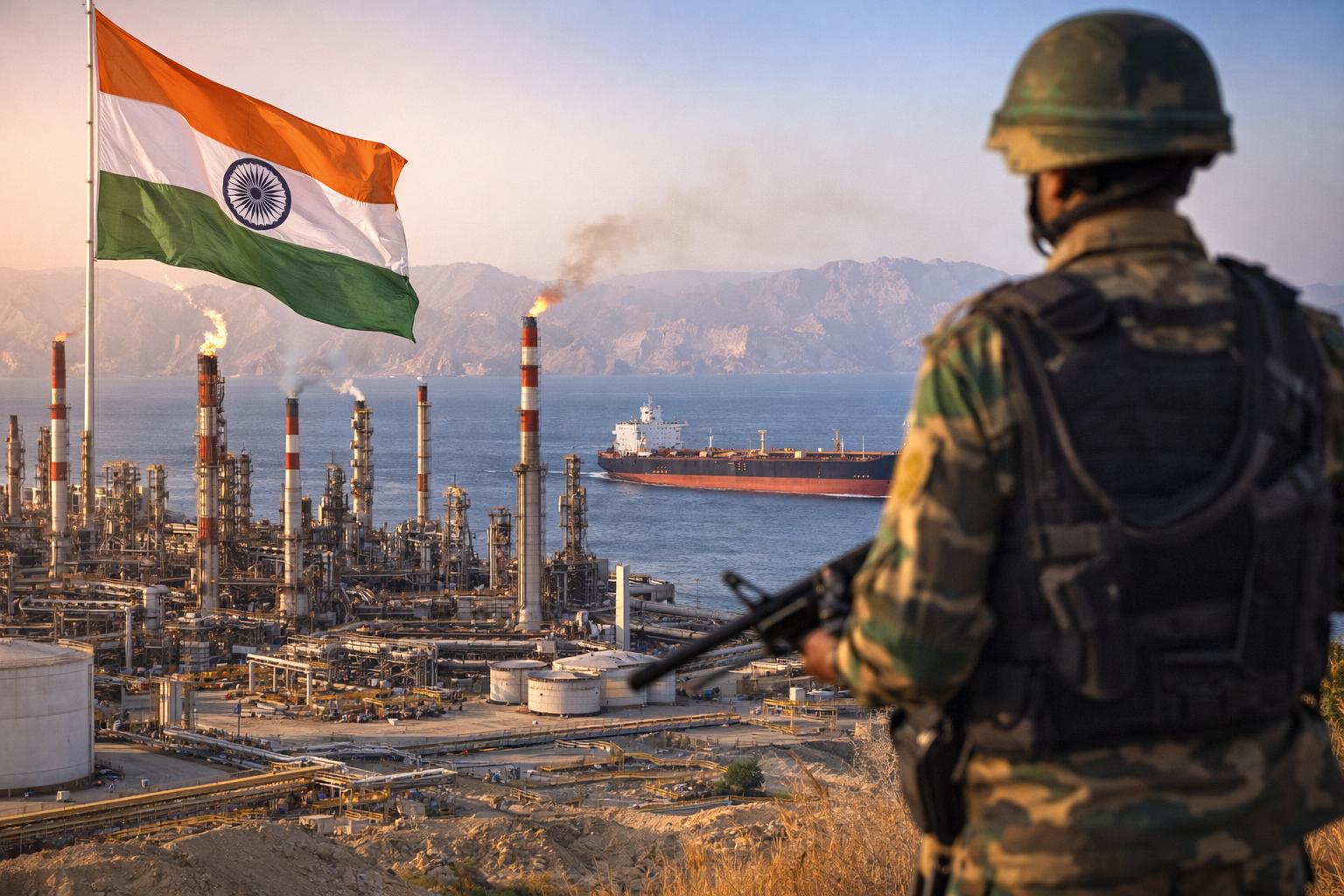
Since the outbreak of the Russia-Ukraine conflict in 2022, India has become one of the largest buyers of discounted Russian crude. The lower prices have helped domestic refiners manage costs and contain fuel inflation, which directly affects consumers and industries. For a country heavily dependent on oil imports to power transportation, manufacturing and electricity generation, affordable supplies remain a key economic consideration.
Experts say a sudden halt in Russian crude imports could raise input costs for refineries, increase manufacturing expenses and eventually push up retail fuel prices. This could place additional pressure on household budgets and slow economic growth. At the same time, India has sought to diversify its energy sources and strengthen trade ties with the United States and other partners, creating a complex policy environment.
Foreign policy observers note that India has traditionally maintained strategic autonomy in its international relations. The country shares deep historical and defense ties with Russia, while also expanding cooperation with the United States in trade, technology and security. As a result, any move perceived as openly distancing itself from Moscow could have diplomatic consequences, even as closer economic engagement with Washington offers clear benefits.
Analysts suggest that rather than making abrupt changes, India may gradually adjust its import mix over time. A phased approach would allow New Delhi to protect its economic interests, manage supply risks and maintain balanced relations with both major powers. Credit rating agencies have also indicated that a complete and immediate shift away from Russian oil could disrupt growth and contribute to higher inflation in the domestic economy.
For now, the absence of an official statement from New Delhi indicates that policy decisions are still being carefully evaluated. The evolving situation highlights the delicate balancing act India faces as it navigates global energy markets, trade negotiations and geopolitical alignments. As talks continue with both Washington and Moscow, energy security, affordability and national interest are likely to remain central to India’s approach.