
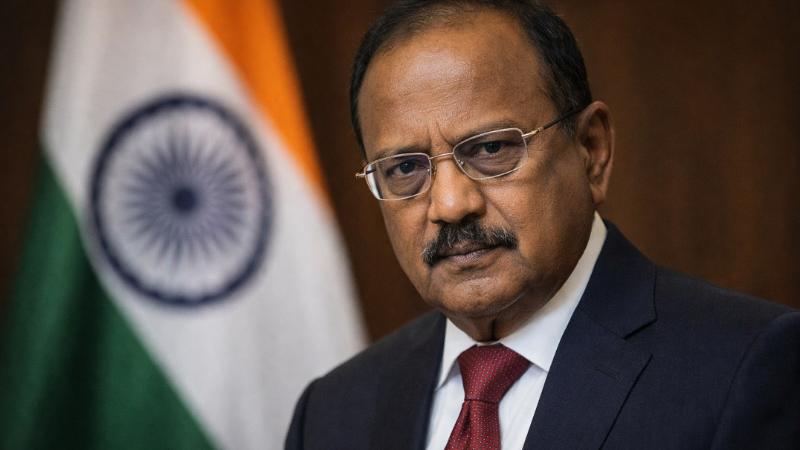
India’s National Security Advisor Ajit Doval conveyed a firm and uncompromising message during a visit to Washington months before the public announcement of a renewed India–US trade deal, underscoring that New Delhi would not yield to pressure or public criticism during negotiations. According to officials familiar with the discussions, Doval told senior American leadership that India was prepared to take a patient approach to trade talks rather than accept terms it considered unfair or one-sided.
During his meeting with US Secretary of State Marco Rubio, Doval is understood to have emphasised that India remained committed to restarting negotiations on a comprehensive trade deal and wanted to move past recent tensions between the two nations. At the same time, he made it clear that India would not be “bullied” by US President Donald Trump or his top aides, asserting that any agreement must respect India’s economic priorities and strategic interests.
The discussions reportedly took place in early September, at a time when New Delhi was actively engaging with global powers. The visit followed Prime Minister Narendra Modi’s diplomatic outreach to Russian President Vladimir Putin and Chinese President Xi Jinping, reflecting India’s broader effort to balance relationships with major international partners while protecting its national interests.
Officials indicated that Doval urged the US administration to tone down its public criticism of India, which he believed risked undermining trust and complicating progress in trade talks. Instead, he called for a more constructive and discreet approach that would allow both sides to rebuild momentum and focus on practical outcomes. The message was that stable diplomacy and mutual respect were essential for advancing bilateral ties.
Months later, President Trump announced progress on a trade deal with India following a phone call with Prime Minister Modi on February 2, signalling a renewed push to strengthen economic cooperation. The development suggested that behind-the-scenes diplomacy may have helped ease tensions and create space for meaningful negotiations.
India and the United States share deepening strategic ties across defence, technology and commerce, but trade disputes over tariffs, market access and regulatory issues have periodically strained the relationship. By taking a firm yet measured stance, New Delhi appears determined to safeguard domestic interests while continuing to engage constructively with Washington.
Observers say the episode highlights India’s growing confidence on the global stage and its willingness to pursue partnerships on equal terms. As both countries work towards a balanced trade framework, the emphasis remains on dialogue, mutual benefit and long-term stability in one of the world’s most significant bilateral relationships.