

- 08 May 2026
- 17 posts
The Surge in EV Popularity in India
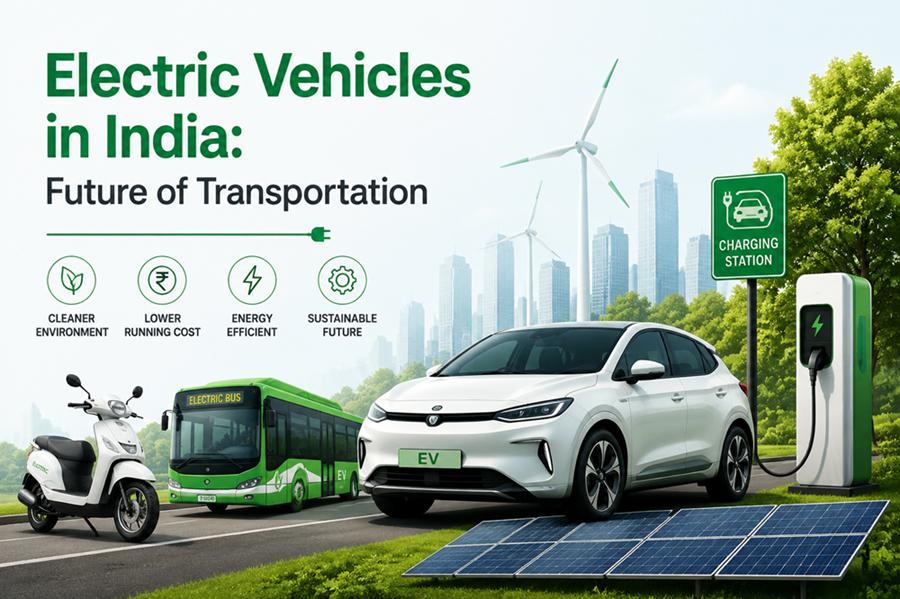
The adoption of EVs in India has been accelerating due to several factors:
- Government Policies and Incentives: The Indian government has introduced several schemes to promote EV adoption, including the Faster Adoption and Manufacturing of Hybrid and Electric Vehicles (FAME) initiative. Additionally, subsidies and tax cuts have made EVs more affordable for consumers.
- Rising Fuel Prices: With the consistent rise in fuel prices, many Indians are looking for alternatives to reduce long-term expenses. EVs provide a cost-effective solution, especially considering the lower electricity cost compared to petrol or diesel.
- Environmental Benefits: India’s pollution levels are among the highest in the world, and EVs offer a cleaner, eco-friendly solution. By reducing tailpipe emissions, electric vehicles can play a key role in improving air quality.
- Technological Advancements: The technology behind EVs has improved significantly in recent years, with better battery efficiency, longer ranges, and faster charging times. These developments make EVs more practical and appealing to everyday users.
Electric vehicles offer a host of benefits over traditional petrol or diesel-powered vehicles:
- Zero Emissions: EVs produce no tailpipe emissions, helping to reduce pollution and greenhouse gases.
- Lower Running Costs: EVs are cheaper to run than conventional vehicles, thanks to lower electricity costs and fewer maintenance requirements.
- Energy Independence: By reducing dependency on imported fuel, EVs contribute to energy security.
- Quiet and Smooth Operation: EVs are much quieter than traditional vehicles, contributing to less noise pollution.
Despite the many benefits, there are several challenges to widespread EV adoption in India:
- High Initial Cost: The upfront cost of electric vehicles is still higher compared to conventional vehicles, mainly due to the cost of batteries. However, with ongoing technological advancements, prices are expected to decrease over time.
- Charging Infrastructure: The lack of sufficient charging stations is a significant barrier to EV adoption, especially in rural and remote areas. Expanding the charging network is crucial to making EVs more accessible.
- Range Anxiety: Many potential EV buyers are concerned about the limited driving range of electric vehicles, especially on long trips. However, newer models are offering better ranges, which are addressing this concern.
- Battery Disposal: As EV adoption grows, managing battery disposal and recycling will become an increasingly important issue. Efforts to develop sustainable battery recycling methods are necessary to mitigate environmental impacts.
The future of electric vehicles in India looks promising, with several key developments expected in the coming years:
- Expansion of EV Infrastructure: The government and private players are working to establish a nationwide network of charging stations. With increased investment, more charging points will be available in urban and rural areas.
- Affordable EV Models: Major automakers are launching more budget-friendly EV models to cater to a broader customer base. This will make electric vehicles accessible to more people and encourage mass adoption.
- Government Support: The government is likely to continue offering incentives, tax breaks, and subsidies to make EVs more affordable. Policies such as the FAME II scheme are expected to boost the adoption of EVs further.
- Innovation in Battery Technology: Research in battery technology, such as solid-state batteries, is expected to reduce costs and improve efficiency. These innovations will make EVs more affordable and convenient.
- EVs in Commercial Use: Electric vehicles are not only for personal transportation but are also being adopted in the commercial sector. Electric buses, e-rickshaws, and electric delivery vehicles are becoming popular in urban areas, contributing to reduced emissions in public transport.
User Reviews (0)
No reviews yet!
What is your response?
❤️
Love
0%
👍
Like
0%
👎
Dislike
0%
🤔
Interesting
0%
😂
Funny
0%
😮
Wow
0%
😢
Sad
0%