

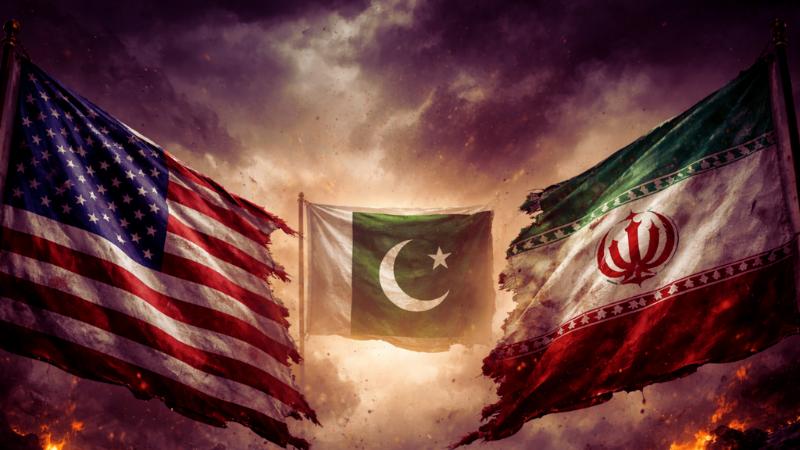
Rising tensions between Iran and the United States are creating fresh economic and diplomatic challenges for Pakistan. With uncertainty surrounding potential talks and growing instability around the Strait of Hormuz, Pakistan is facing mounting pressure.
Unlike previous global conflicts, where Pakistan benefited from its strategic position through financial aid and external support, the current crisis is producing the opposite effect. Instead of inflows, the country is experiencing capital outflows, declining foreign exchange reserves, and increasing debt repayment obligations.
Pakistan’s heavy reliance on energy imports from the Gulf region has made the situation more critical. A significant portion of its oil and LNG supplies passes through the Strait of Hormuz, meaning any disruption could directly drive up import costs, fuel inflation, and strain overall economic stability.
The financial pressure is already becoming visible, with rising external challenges impacting reserves and repayment schedules. While emergency financial assistance from Gulf nations has helped ease immediate concerns, the long-term outlook remains uncertain. The evolving geopolitical landscape underscores how shifting global dynamics can reshape the economic impact of conflicts. For Pakistan, what was once a strategic advantage is increasingly turning into a structural vulnerability.