#internationallaw
Indian-Origin Navi Pillay Wins Nobel Peace Prize 2026
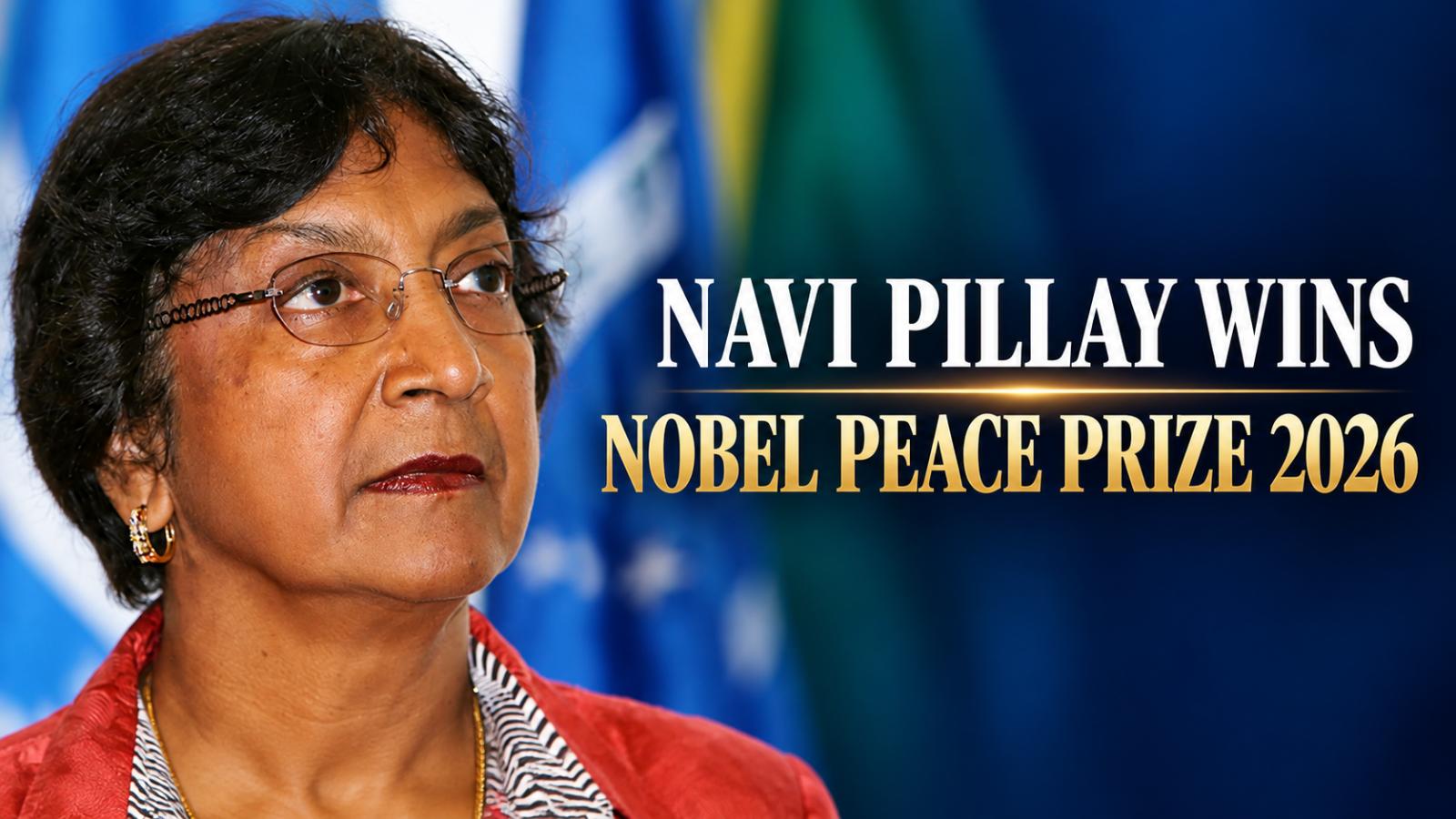
Navanethem “Navi” Pillay, the Indian-origin South African jurist and former United Nations High Commissioner for Human Rights, has been awarded the 2026 Nobel Peace Prize for her efforts to promote peace and international law. The Norwegian Nobel Committee’s recognition honours a career devoted to defending human rights, challenging discrimination and strengthening international justice. Navi Pillay’s Indian Roots and Fight Against Apartheid Born in Durban into a family of Indian Tamil origin, Pillay grew up in South Africa during apartheid, when racial discrimination restricted access to education, employment and public institutions. These conditions shaped her commitment to equality and legal protection. In 1967, she established her own law practice and represented anti-apartheid activists. Her work focused on defending people confronting an unjust system and helping those denied equal treatment seek legal remedies. After apartheid ended, she was appointed an acting judge of the South African High Court in 1995. Navi Pillay’s Role in International Justice Pillay became a judge at the International Criminal Tribunal for Rwanda in 1995 and served as its president from 1999 to 2003. The tribunal prosecuted individuals responsible for serious crimes connected to the 1994 genocide against the Tutsi in Rwanda. During her tenure, the tribunal delivered judgments that helped shape international criminal law. Among its landmark contributions was recognising that rape and sexual violence could constitute acts of genocide. These decisions strengthened accountability for abuses that had often received inadequate recognition in earlier legal proceedings. Pillay subsequently served as a judge at the International Criminal Court from 2003 to 2008, continuing her work within institutions established to address the gravest international crimes. Navi Pillay’s Leadership at the United Nations From 2008 to 2014, Pillay served as UN High Commissioner for Human Rights. The position placed her at the forefront of international efforts to address discrimination, protect vulnerable communities and encourage governments to uphold their human rights obligations. Her later responsibilities included chairing the UN Independent International Commission of Inquiry on the Occupied Palestinian Territory and serving as an ad hoc judge at the International Court of Justice in proceedings concerning allegations of genocide against Myanmar. Her career connects legal advocacy, judicial service and international human rights investigations. Navi Pillay’s Nobel Peace Prize Significance The 2026 Nobel Peace Prize brings renewed attention to the relationship between peace and justice. Pillay’s recognition highlights the role of international law in addressing violence, protecting victims and holding individuals accountable for serious abuses. The UN Human Rights Office welcomed the announcement, recognising her longstanding dedication to human rights. The award also draws attention to her journey from apartheid-era South Africa to some of the world’s most influential judicial and human rights institutions. The prize, worth 12 million Swedish kronor, is scheduled to be presented in Oslo on December 10, the anniversary of Alfred Nobel’s death. The ceremony will recognise Pillay’s contribution to advancing peace through law and defending the dignity of people across national boundaries.

Indian-Origin Navi Pillay Wins Nobel Peace Prize 2026
Navanethem “Navi” Pillay, the Indian-origin South African jurist and former United Nations High Commissioner for Human Rights, has been awarded the 2026 Nobel Peace Prize for her efforts to promote peace and international law. The Norwegian Nobel Committee’s recognition honours a career devoted to defending human rights, challenging discrimination and strengthening international justice. Navi Pillay’s Indian Roots and Fight Against Apartheid Born in Durban into a family of Indian Tamil origin, Pillay grew up in South Africa during apartheid, when racial discrimination restricted access to education, employment and public institutions. These conditions shaped her commitment to equality and legal protection. In 1967, she established her own law practice and represented anti-apartheid activists. Her work focused on defending people confronting an unjust system and helping those denied equal treatment seek legal remedies. After apartheid ended, she was appointed an acting judge of the South African High Court in 1995. Navi Pillay’s Role in International Justice Pillay became a judge at the International Criminal Tribunal for Rwanda in 1995 and served as its president from 1999 to 2003. The tribunal prosecuted individuals responsible for serious crimes connected to the 1994 genocide against the Tutsi in Rwanda. During her tenure, the tribunal delivered judgments that helped shape international criminal law. Among its landmark contributions was recognising that rape and sexual violence could constitute acts of genocide. These decisions strengthened accountability for abuses that had often received inadequate recognition in earlier legal proceedings. Pillay subsequently served as a judge at the International Criminal Court from 2003 to 2008, continuing her work within institutions established to address the gravest international crimes. Navi Pillay’s Leadership at the United Nations From 2008 to 2014, Pillay served as UN High Commissioner for Human Rights. The position placed her at the forefront of international efforts to address discrimination, protect vulnerable communities and encourage governments to uphold their human rights obligations. Her later responsibilities included chairing the UN Independent International Commission of Inquiry on the Occupied Palestinian Territory and serving as an ad hoc judge at the International Court of Justice in proceedings concerning allegations of genocide against Myanmar. Her career connects legal advocacy, judicial service and international human rights investigations. Navi Pillay’s Nobel Peace Prize Significance The 2026 Nobel Peace Prize brings renewed attention to the relationship between peace and justice. Pillay’s recognition highlights the role of international law in addressing violence, protecting victims and holding individuals accountable for serious abuses. The UN Human Rights Office welcomed the announcement, recognising her longstanding dedication to human rights. The award also draws attention to her journey from apartheid-era South Africa to some of the world’s most influential judicial and human rights institutions. The prize, worth 12 million Swedish kronor, is scheduled to be presented in Oslo on December 10, the anniversary of Alfred Nobel’s death. The ceremony will recognise Pillay’s contribution to advancing peace through law and defending the dignity of people across national boundaries.