




















#digitalidentity
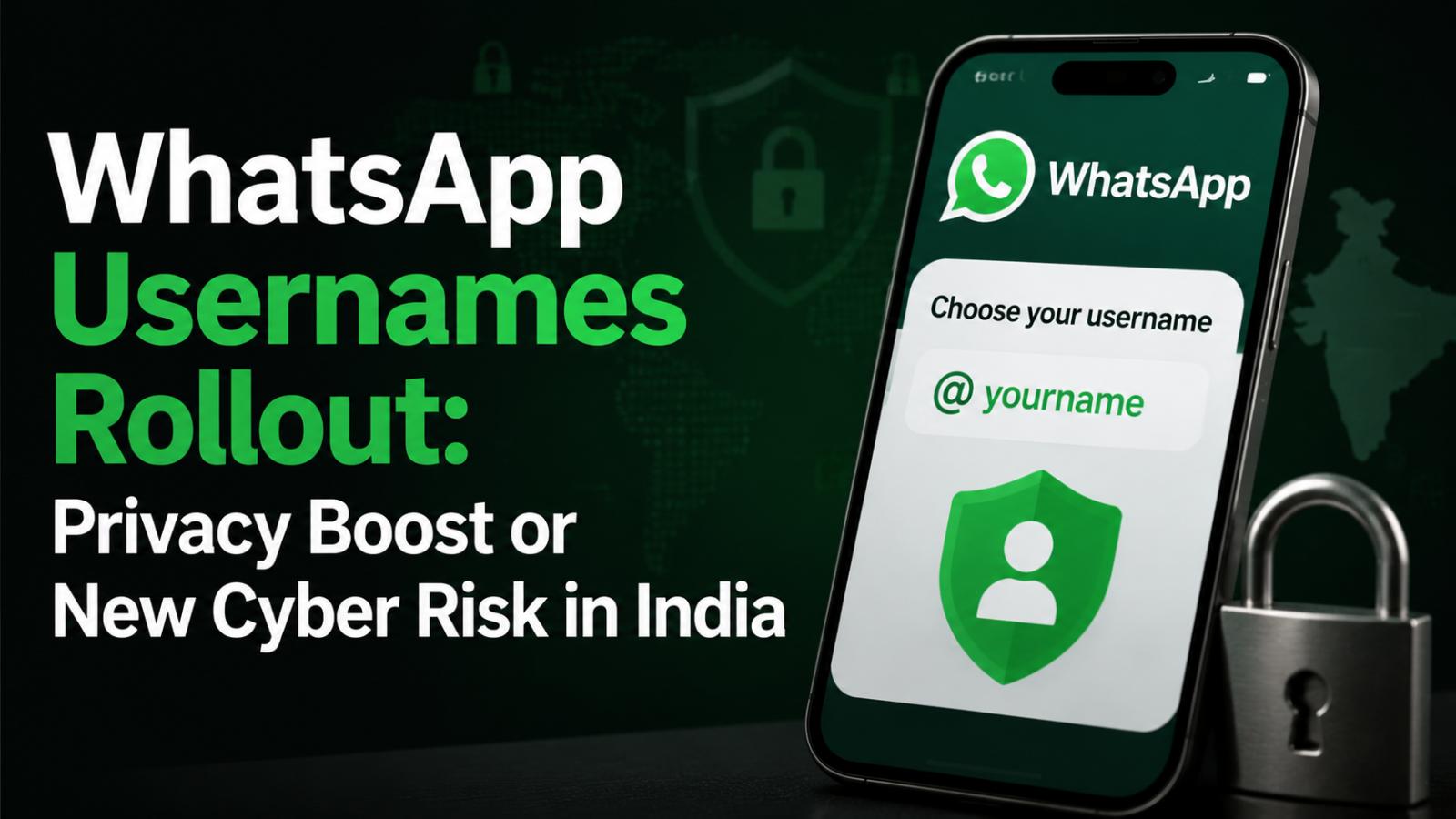
WhatsApp usernames update: privacy gain or new security risk in India
How WhatsApp usernames change user identity sharing WhatsApp’s rollout of usernames introduces a new way for users to connect without directly sharing their mobile number. In India, where phone numbers are closely connected to UPI payments, Aadhaar verification, banking services, and multiple digital identity systems, this shift is especially significant. While phone numbers remain required for account creation and verification, they will no longer be the only way users identify or connect with each other on the platform. Privacy improvements and everyday impact The introduction of usernames helps reduce exposure of personal phone numbers in group chats, business communication, and online marketplaces. This can lower the chances of spam calls, unsolicited messages, and basic data harvesting. It also creates a separation between private identity and public interaction, which is increasingly important in large digital ecosystems like India’s. However, the actual privacy benefit will depend on how WhatsApp manages visibility settings and user discovery options. Cybersecurity concerns and impersonation risks At the same time, experts warn that usernames introduce new cybersecurity challenges. The biggest concern is impersonation, where attackers can create similar-looking usernames to deceive users. Unlike phone numbers, usernames can be copied or slightly modified, making fake accounts harder to detect at a glance. In India, where cyber fraud linked to messaging apps and digital payments is already rising, this increases the importance of careful identity verification. Safety features and implementation factors WhatsApp is expected to introduce additional protections such as a “username key” system, which restricts who can message a user even if they know the username. This could help reduce spam and unwanted contact. However, the overall effectiveness of the feature will depend on default settings, user awareness, and how strictly WhatsApp enforces anti-impersonation measures. The update represents a shift in digital identity handling, offering stronger privacy on one side while introducing new forms of security risk on the other.
WhatsApp usernames update: privacy gain or new security risk in India
How WhatsApp usernames change user identity sharing WhatsApp’s rollout of usernames introduces a new way for users to connect without directly sharing their mobile number. In India, where phone numbers are closely connected to UPI payments, Aadhaar verification, banking services, and multiple digital identity systems, this shift is especially significant. While phone numbers remain required for account creation and verification, they will no longer be the only way users identify or connect with each other on the platform. Privacy improvements and everyday impact The introduction of usernames helps reduce exposure of personal phone numbers in group chats, business communication, and online marketplaces. This can lower the chances of spam calls, unsolicited messages, and basic data harvesting. It also creates a separation between private identity and public interaction, which is increasingly important in large digital ecosystems like India’s. However, the actual privacy benefit will depend on how WhatsApp manages visibility settings and user discovery options. Cybersecurity concerns and impersonation risks At the same time, experts warn that usernames introduce new cybersecurity challenges. The biggest concern is impersonation, where attackers can create similar-looking usernames to deceive users. Unlike phone numbers, usernames can be copied or slightly modified, making fake accounts harder to detect at a glance. In India, where cyber fraud linked to messaging apps and digital payments is already rising, this increases the importance of careful identity verification. Safety features and implementation factors WhatsApp is expected to introduce additional protections such as a “username key” system, which restricts who can message a user even if they know the username. This could help reduce spam and unwanted contact. However, the overall effectiveness of the feature will depend on default settings, user awareness, and how strictly WhatsApp enforces anti-impersonation measures. The update represents a shift in digital identity handling, offering stronger privacy on one side while introducing new forms of security risk on the other.
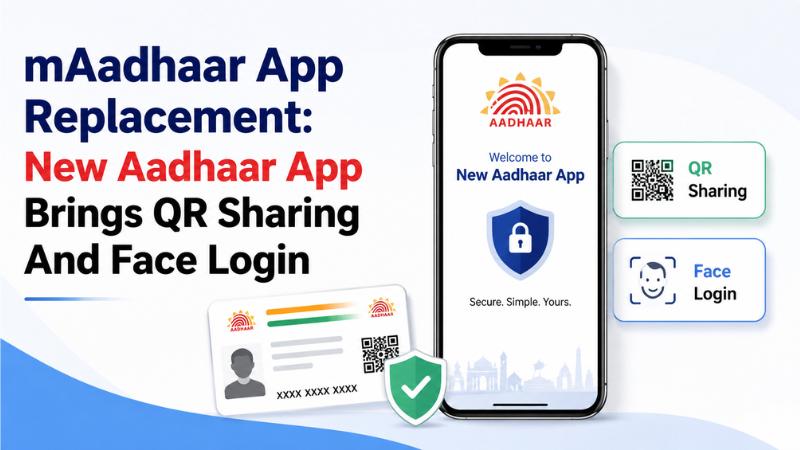
mAadhaar App Replacement: New Aadhaar App Brings QR Sharing And Face Login
UIDAI’s new Aadhaar app brings safer QR sharing, face authentication, and biometric lock controls mAadhaar App To Be Replaced UIDAI’s old mAadhaar app will soon be discontinued as the government moves users to a new Aadhaar app with improved security and easier digital identity access. The new app is not just a redesigned version of mAadhaar. It focuses on safer Aadhaar sharing, better privacy, and stronger verification for
mAadhaar App Replacement: New Aadhaar App Brings QR Sharing And Face Login
UIDAI’s new Aadhaar app brings safer QR sharing, face authentication, and biometric lock controls mAadhaar App To Be Replaced UIDAI’s old mAadhaar app will soon be discontinued as the government moves users to a new Aadhaar app with improved security and easier digital identity access. The new app is not just a redesigned version of mAadhaar. It focuses on safer Aadhaar sharing, better privacy, and stronger verification for


