

Effective Pest Control Methods For A Healthy Garden
Pest control plays a vital role in maintaining a healthy and productive garden. Insects, fungi, and plant diseases can quickly damage flowers, vegetables, and ornamental plants if not managed properly. Modern gardeners are now focusing on safer and more sustainable pest control techniques that protect plants without harming the environment. From natural remedies to preventive gardening methods, effective pest management helps ensure stronger plant growth and long-lasting garden health.
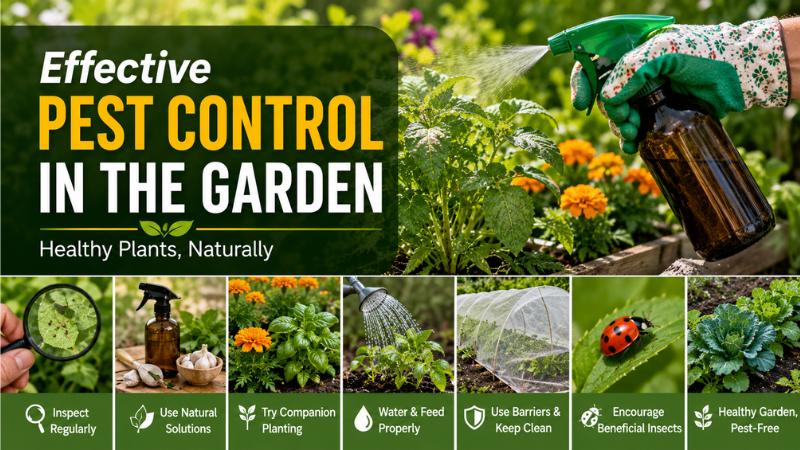
Regular Garden Inspection
One of the most important steps in pest control is inspecting plants regularly. Gardeners should frequently check leaves, stems, and soil for signs of insect damage, discoloration, holes, or fungal growth. Early detection helps prevent pests from spreading across the garden. Common garden pests include aphids, caterpillars, whiteflies, spider mites, and snails, all of which can weaken plants and reduce productivity if ignored.
Natural Pest Control Solutions
Many homeowners are moving toward natural pest control methods instead of relying heavily on chemical pesticides. Neem oil sprays, garlic solutions, soap water mixtures, and organic insect repellents are commonly used to control harmful insects naturally. These solutions are safer for beneficial insects like bees and butterflies while still protecting plants from infestations. Organic pest control also helps maintain soil quality and reduces chemical exposure in home gardens.
Companion Planting
Companion planting is becoming increasingly popular among gardeners because certain plants naturally repel pests. Marigolds are known for deterring nematodes and harmful insects, while basil can help protect tomatoes from flies and mosquitoes. Planting herbs such as mint, rosemary, and lavender around vegetable gardens may also help reduce pest activity naturally while improving garden fragrance and appearance.
Proper Watering And Soil Care
Healthy plants are naturally more resistant to pests and diseases. Proper watering schedules, nutrient-rich soil, and adequate sunlight help plants grow stronger and recover quickly from minor pest attacks. Overwatering should be avoided because excess moisture can attract insects and encourage fungal diseases. Adding compost and organic fertilizers improves soil health while strengthening plant immunity.
Physical Barriers And Garden Maintenance
Physical pest control methods remain highly effective for home gardens. Garden nets, row covers, copper tape, and fencing help protect plants from insects, birds, and larger pests. Keeping the garden clean by removing dead leaves, weeds, and damaged plants also prevents insects and fungal spores from spreading. Pruning overcrowded plants improves airflow and reduces moisture buildup that attracts pests.
Beneficial Insects In Gardening
Not all insects are harmful to gardens. Ladybugs, lacewings, and praying mantises are considered beneficial insects because they feed on common garden pests such as aphids and mites. Encouraging these natural predators can help maintain ecological balance and reduce the need for chemical pest control methods.
Experts believe combining preventive care, natural remedies, and proper maintenance is the best strategy for long-term pest management. Sustainable pest control practices not only protect plants but also create a healthier and safer gardening environment for families, pets, and pollinators. Modern gardeners are increasingly adopting eco-friendly solutions to maintain vibrant and productive gardens throughout the year.