
Romania Launches Unified Work Permit And Visa System
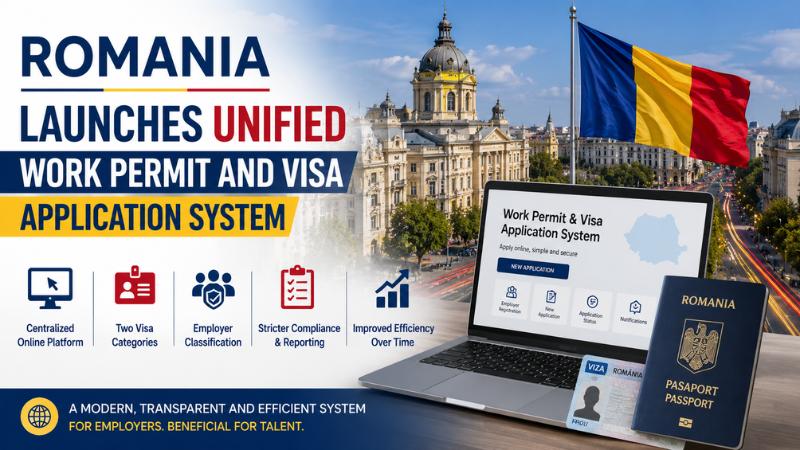
Romania has officially introduced a new unified framework for work permits and long-stay visas, replacing its earlier fragmented immigration process with a centralized digital system. The reform is aimed at improving efficiency for employers, foreign workers, and immigration authorities through a streamlined application structure.
The government has also launched a new online platform that will manage employer registrations, visa requests, and work authorization submissions in one integrated system. Officials say the modernization effort is designed to reduce administrative delays and simplify immigration procedures over time.
Two New Visa Categories Introduced
Under the updated immigration framework, Romania will now operate with two primary work visa categories based on skill level and labor demand. One category is specifically designed for highly qualified professionals and will not be restricted by annual quotas.
The second category will apply to general labor workers and will be linked to the shortage occupation lists and yearly intake limits determined by authorities. Immigration experts believe the system could help Romania better manage labor shortages while attracting skilled international talent.
Employer Classification And Compliance Rules Tightened
A major feature of the reform is the introduction of an employer classification system, which will influence eligibility for specific visa pathways. Companies seeking to hire foreign workers may now face additional verification procedures and compliance obligations.
Authorities are also implementing stricter reporting requirements, standardized employment conditions, and closer monitoring of labor practices involving foreign employees. Businesses are being advised to prepare for evolving rules during the transition period.
Transition Period May Create Initial Delays
While the long-term objective of the reform is to create a more efficient immigration process, officials acknowledged that the transition phase may temporarily increase complexity for employers and applicants. Technical adjustments, platform testing, and evolving guidelines could lead to processing delays in the early stages of implementation.
Despite the short-term challenges, the new system is expected to strengthen Romania’s immigration infrastructure and improve transparency in work permit and visa processing across the country.